





Lymphoma
Latest News
Advertisement
Latest Videos




Podcasts






























































Advertisement
More News
The FDA has granted full approval to brexucabtagene autoleucel for relapsed/refractory mantle cell lymphoma based on ZUMA-2 data.
The FDA has granted traditional approval to nivolumab in cHL after autologous HSCT and brentuximab vedotin and after 3 or more lines of therapy.

Tazemetostat has been withdrawn from the market for all approved indications following safety data conveying secondary hematologic malignancy risk.
The FDA has approved acalabrutinib plus venetoclax in adult patients with chronic lymphocytic leukemia or small lymphocytic lymphoma.
FDA fast-tracks trispecific IBI3003, reviews iberdomide combo, and expands Yescarta use.
The FDA approved a larger vial size of nelarabine for the treatment of pediatric and adult patients with T-ALL and T-LBL.
Expert advice for administering and monitoring liso-cel in patients with follicular lymphoma.
Subcutaneous mosunetuzumab wins FDA accelerated approval in patients with R/R follicular lymphoma following 2 or more lines of systemic therapy.

Patients with relapsed/refractory large B-cell lymphoma treated with glofitamab or epcoritamab experienced early disease progression.

Six-month complete response with frontline axicabtagene ciloleucel predicts long-term survival in patients with high-risk large B-cell lymphoma.

Dexamethasone reduced the severity of ICANS but did not impact the rates of ICANS or CRS in patients with LBCL receiving axi-cel.
Phase 3 trial results demonstrated a significant benefit with the BTK inhibitor pirtobrutinib vs bendamustine plus rituximab in patients with untreated CLL/SLL.
Pirtobrutinib demonstrated noninferior response rates to ibrutinib and showed a trend toward survival benefit in patients with CLL/SLL.
The addition of epcoritamab to R2 significantly reduced the risk of death or disease progression in patients with relapsed/refractory follicular lymphoma.
Older patients with newly diagnosed diffuse large B-cell lymphoma receiving epcoritamab plus R-mini-CHOP achieved deep responses with manageable safety.
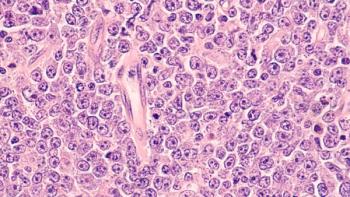
The combination of odronextamab with CHOP chemotherapy showed early efficacy in patients with untreated diffuse large B-cell lymphoma.
The FDA has approved lisocabtagene maraleucel for the treatment of adult patients with relapsed or refractory marginal zone lymphoma following at least 2 prior lines of therapy.
The FDA has approved pirtobrutinib treatment for adults with relapsed/refractory CLL/SLL who have received prior treatment with a covalent BTK inhibitor.
Catch up on recent regulatory decisions by the FDA in oncology, including actions in lung, hematologic, genitourinary, and gastrointestinal cancers.
The FDA granted standard approval to epcoritamab monotherapy and epcoritamab plus lenalidomide and rituximab for relapsed/refractory follicular lymphoma.
Among lymphoma survivors, a multidisciplinary intervention program had a beneficial effect on fatigue and aspects of health-related quality of life.
Off-the-shelf mosunetuzumab/polatuzumab vedotin produced durable responses with manageable safety in BTK inhibitor–exposed relapsed/refractory MCL.

Read nursing considerations for treating patients with mantle cell lymphoma using lisocabtagene maraleucel.

Mosunetuzumab plus polatuzumab vedotin increased PFS and response rates vs R-GemOx in transplant-ineligible large B-cell lymphoma.

Nurses must stay up to date on novel agents and their toxicities to properly monitor for and manage immune effector cell-associated neurotoxicity syndrome.
Advertisement
Advertisement
Trending on Oncology Nursing News
1
FDA Approves Atezolizumab Plus Chemo for Stage 3 dMMR Colon Cancer
2
FDA Approves Maintenance Tucatinib for Advanced HER2+ Breast Cancer
3
Daily Symptom Shifts Linked to Quality of Life in Metastatic Breast Cancer
4
Surveillance, Patient Resources, and Financial Support
5