

What should nurses know about treating patients with KRAS G12C-mutated metastatic colorectal cancer using adagrasib and cetuximab?
What should nurses know about treating patients with KRAS G12C-mutated metastatic colorectal cancer using adagrasib and cetuximab?
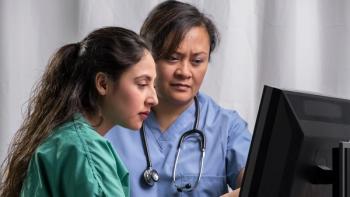
A patient acuity model drove efficient and safe staffing through data from a natural language processing model informed by oncology nurse insights.
With evolving standards for handling hazardous drugs, nurses must comply with safety and handling guidelines.
Care at every step is the ethical duty of nurses, says Katherine Brown-Saltzman, MA, RN, in this episode of Onc Nurse On Call.
An oncology APP-led quality assurance committee identified key safety events across disciplines and specialties.
Paola Gonzalez, MPAS, PA-C, explains how third-party vendors shape insurance guidelines and what oncology APPs should know when navigating peer-to-peer reviews.
A multisite advanced practice optimization model improved patient access through tailored interventions, including redistributing non-APP responsibilities.

AI-driven decision support can ease oncologists’ workloads and streamline care without reducing autonomy.

A network to connect patients with unused medications with patients in need brought $18 million of free cancer medication while reducing drug waste.
Jeneth Aquino, DNP, FNP-BC, explains that using ctDNA to guide a patient’s next steps can provide clarity in the treatment process.
Melissa Rikal, FNP-BC, AOCNP, explains how ctDNA can inform prognosis, monitor disease progression, and guide treatment decisions in oncology.

Specialized palliative medicine and supportive oncology advanced practice providers help create a personalized treatment experience for patients.

How best can senior staff and leadership support nurses new to the field of oncology?
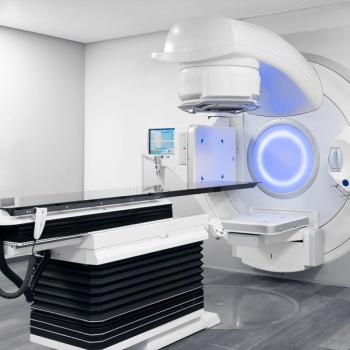
Biology-guided radiotherapy involves teamwork across multiple specialists, according to Samantha Bianzon, BSN, RN.

Ronald Bleday, MD, discusses how nurses support a step-wise model to minimize opioid use after colorectal surgery while ensuring safe pain control.
Lisa Hwa Christenson, APRN, DNP, CNP, FAPO, outlines best practices for safely transitioning patients with multiple myeloma on bispecific antibodies to community care.

Oncology nurses are needed in research roles, which can provide experience with new therapies, explained Josh Settlemire, MSN, RN, OCN.

A significant reduction of opioid use in patients after colorectal surgery was supported by clinician and patient compliance, says Ronald Bleday, MD.
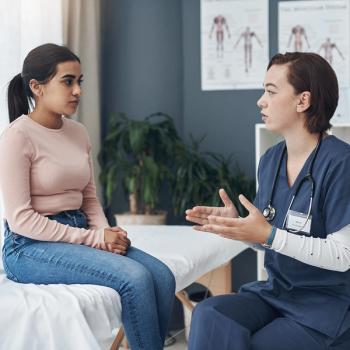
Maria C. Velez, MD, shared that teamwork between pediatric and adult care teams can make the transition of care smoother for AYA patients.

Heather Jackson, PhD, FNP-BC, NEA-BC, FAANP, explains how a fellowship program sets the tone for how to transition nurse practitioners to oncology.
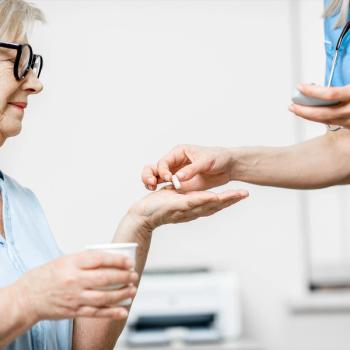
Ronald Bleday, MD, explained that a model to reduce opioid use in patients after colorectal surgery relies on nurses familiar with the relevant surgeries.
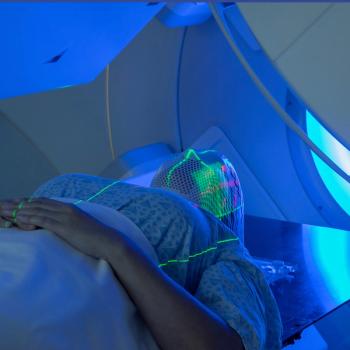
Nurses should be familiar with PET scan protocol and what to ask patients with lung and bone cancers before administering biology-guided radiation therapy.

Experienced oncology nurses and APPs can help nurses newer to the field understand who is more at risk of opioid addiction, says expert Ronald Bleday, MD.

Explore essential mental health support strategies for older adults with cancer, addressing grief, community resources, and tailored care approaches.
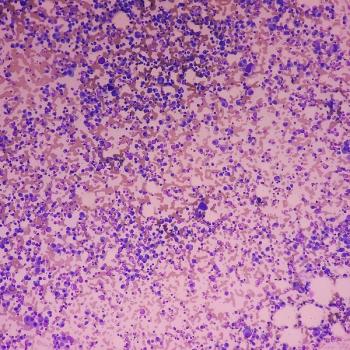
Step-up dosing with remote monitoring resulted in 47% of patients receiving bispecific antibodies remaining outpatient, even in cases of CRS.
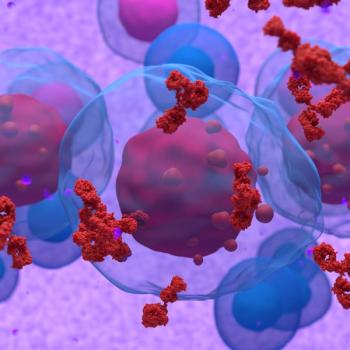
Formal communication could help ease the transition of care from specialized myeloma centers to community clinic, according to Diane Moran, RN, MA, EdM.
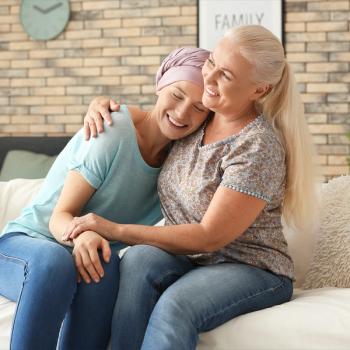
Ask patients, "Who's in your corner?"

Oncology nurses are paramount to the treatment success of patients, especially through their work on clinical trials.

Oncology nurses and APPs can help reduce discrimination faced by patients with cancer who are members of the LGBTQIA+ community.
