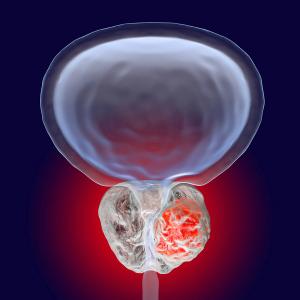
Dan Silver, PA-C, affirms patients with erectile dysfunction who’ve received prostate cancer treatment that it is possible to regain their erection.
Dan Silver, PA-C, affirms patients with erectile dysfunction who’ve received prostate cancer treatment that it is possible to regain their erection.

Data at SGO 2026 showed gynecologic cancer survivors face high rates of untreated LUTS and missed radiation cystitis diagnoses after treatment.

The SISTER trial finds 1:1 peer support significantly improves endometrial cancer treatment completion for Black women, per 2026 SGO Meeting data.

Research presented at the APOS Conference demonstrated negative beliefs in parents and caregivers of pediatric patients with cancer.

Radiation-induced heart damage in breast cancer is a growing clinical concern, yet biomarkers and preventive therapies remain lacking.

Of 9 evaluable patients with progressive non–small cell lung cancer (NSCLC) and progressive SCLC, 6 achieved disease control with Olvi-Vec.
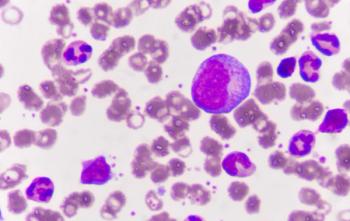
Higher LDH levels were linked with poorer survival outcomes in patients with relapsed and refractory multiple myeloma who received elranatamab.

Pembrolizumab plus paclitaxel with or without bevacizumab boosted survival in patients with platinum-resistant, recurrent ovarian cancer.

Disitamab vedotin/toripalimab improved PFS and OS vs chemotherapy in HER2-expressing advanced urothelial carcinoma, per phase 3 RC48-C016 data.

Sevabertinib demonstrated robust, durable responses and manageable safety in both treatment-naive and pretreated patients with HER2-mutant advanced NSCLC.

CRS and ICANS were observed in 48% and 16%, respectively, of patients with ES-SCLC who received tarlatamab, according to real-world data.
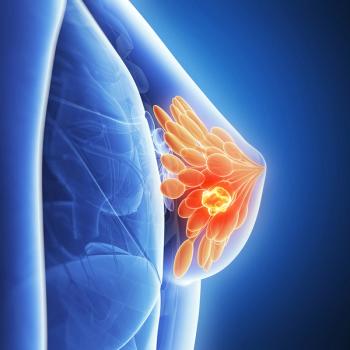
Gedatolisib-based combinations yielded encouraging responses in patients with mCRPC and HER2-positive metastatic breast cancer, early trial data show.
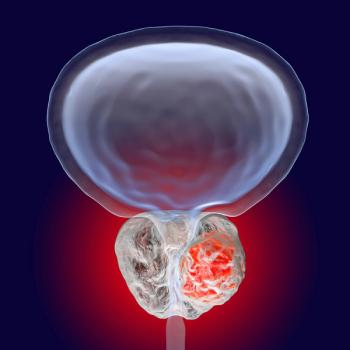
Patients with metastatic CRPC who maintained PSMA expression had a median OS of 14.5 months with 177Lu-PSMA-617 retreatment.

Adjuvant aspirin did not reduce recurrence or improve survival in patients with CRC liver metastases, phase 3 data showed at the 2025 ASCO Meeting.
T-DXd led to an ORR of 59.4% vs 33.9% with chemo, regardless of biomarker status, in HR+, HER2-low metastatic breast cancer, per DESTINY-Breast06.
Treatment with imlunestrant was especially impactful to quality of life and global health status for patients with ESR1 mutations.
T-DXd led to improvements in OS, PFS, ORR, and DOR compared with ramucirumab/paclitaxel in the second line for HER2-positive gastric and GEJ cancer.
The safety and efficacy of givinostat is being assessed vs hydroxyurea in the phase 3 GIV-IN PV trial.

Use of the 1.5T Elekta Unity MR-Linac was associated with reduced rates of erectile dysfunction at 6, 12, and 18 months in patients with prostate cancer.

From 2018 to 2022, cancer mortality dropped across race and ethnicity.
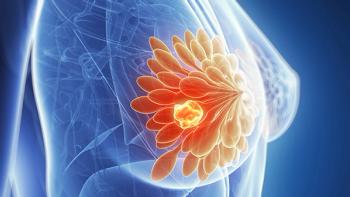
Breast cancer survivors treated with endocrine therapy alone reported better long-term physical health outcomes compared with those who received chemotherapy.

The phase 3 COMPETE trial found that ITM-11 met its primary PFS end point and demonstrated a positive trend in OS for patients with GEP-NETs.

Two denosumab biosimilars have been approved by the FDA for all previously approved uses for the reference drugs in cancers and osteoporosis.

Adding antihistamines to atezolizumab led to a 46% OS rate and a 23% PFS rate in metastatic urothelial carcinoma.

For patients with relapsed BRCA-mutated ovarian carcinoma, rucaparib produced a median OS of 19.4 months vs 25.4 months with chemotherapy in new findings.
Median time to sustained worsening of symptoms was 23.7 months with cilta-cel, compared with 18.9 months with SOC.
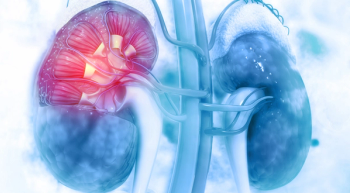
Patients with advanced RCC who were treated with nivolumab plus cabozantinib had a median PFS of 16.4 months compared with 8.3 months from sunitinib alone.
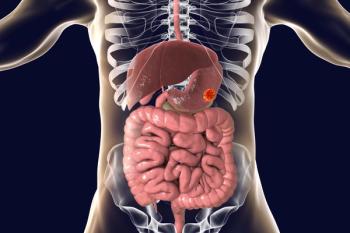
SHR-1701 plus CAPOX chemotherapy reduced treatment delays and dose reductions compared with placebo plus CAPOX in HER2-negative gastric/GEJ cancer.

Everolimus plus lanreotide resulted in a progression-free survival of 29.7 months in patients with gastroenteropancreatic neuroendocrine tumors, compared with 11.5 months with everolimus monotherapy.

While the phase 2 trial did not meet its primary endpoint, it demonstrated that SBRT plus concurrent radiotherapy yielded better results than those observed in previous studies.
Published: February 27th 2025 | Updated: March 3rd 2025
Published: February 27th 2025 | Updated: March 3rd 2025

January 22nd 2025

November 24th 2025