
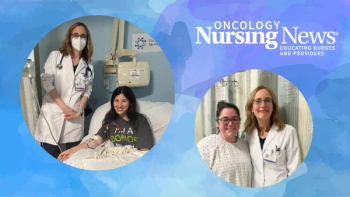
Emily Coiro, MSN, AGACNP-BC, BMTCN; and Julie Zgola, BSN, RN, who work in stem cell transplantation, were matched with patients in need of a transplant.
Emily Coiro, MSN, AGACNP-BC, BMTCN; and Julie Zgola, BSN, RN, who work in stem cell transplantation, were matched with patients in need of a transplant.

Kennon McCollum, DNP, explains how multiday ES-SCLC chemotherapy regimens heighten myelosuppression risk and drive dose delays.
Germline and somatic testing can inform treatment and family risk up front, but NGS is often held for recurrence, explained Courtney R. Arn, APRN-CNP.

Gabriel Schwartz, MSN, NP, explains how mechanisms of action determine the safety of systemic treatments in metastatic colorectal cancer post chemotherapy.

Using gender-neutral language is the first step in making a safe space for LGBTQIA+ patients with cancer, explained Al Asante-Facey, PA, MBA.

Paola Gonzalez, MPAS, PA-C, explains how third-party vendors shape insurance guidelines and what oncology APPs should know when navigating peer-to-peer reviews.

Kevin Y. Chen, PharmD, MS, BCOP, CPP, discusses how next-generation sequencing improves biomarker testing and treatment planning in solid tumors.
A patient with breast cancer and generalized anxiety disorder was able to avoid an unnecessary mastectomy with virtual reality, said Kelly Preti, DNP.
Cassie A. Gray, MS, RN, OCN, CHPN, explains how early palliative care integration benefits patients with advanced cancer.
Jeneth Aquino, DNP, FNP-BC, explains that using ctDNA to guide a patient’s next steps can provide clarity in the treatment process.
Heather Jackson, PhD, APRN, FNP-BC, NEA-BC, FAA-NP, explains the utility of a holistic approach to oncology care.
Courtney Moore, APRN, FNP-C, OCN, discusses planning beyond first-line CDK4/6 inhibitors and supportive care strategies for patients with HR+/HER2– disease.
Subcutaneous daratumumab is well tolerated, but ongoing immune monitoring is key to managing infection risk in patients with multiple myeloma.

Leaders in oncology nursing and advanced practice spotlight the essential role of advanced practice providers in oncology.

Melissa Rikal, FNP-BC, AOCNP, explains how ctDNA can inform prognosis, monitor disease progression, and guide treatment decisions in oncology.

Caleb Raine, PA-C explains what BCMA is and why it is a common bispecific antibody target in multiple myeloma.

Scott C. Borinstein, MD, PhD, discusses how holistic and empathetic care defines pediatric oncology.
Courtney Moore, APRN, FNP-C, OCN, discusses how patient comorbidities and adverse effect profiles guide CDK4/6 inhibitor choice in the first-line setting.
At SOHO 2025, Lorenzo Falchi, MD, highlighted the critical role of nurses in monitoring and educating patients on toxicities from novel lymphoma therapies.

Michelle Kirschner, MSN, RN, ACNP, APRN-BC, discusses how precision supportive care tailors interventions to patient needs.
Benjamin Besse, MD, PhD, shares AE management strategies for amivantamab/lazertinib in EGFR-positive NSCLC following CHRYSALIS-2 results.
Ghayas C. Issa, MD, MS, discusses key adverse events of menin inhibitors in NPM1-mutated and KMT2Ar AML.

Expert Kelsey Martin shares nursing insights on balancing glucose control and GI side effects when caring for patients on PI3K and AKT inhibitors.
Lisa Hwa Christenson, DNP, CNP, FAPO, shares best practices for monitoring CRS and ICANS with BCMA bispecific antibodies in community oncology.

Karolina Faysman, NP, explains how step-up dosing is used to reduce CRS and ICANS with bispecific antibodies in multiple myeloma.
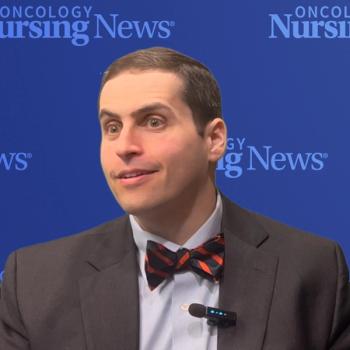
The role of nurses and APPs is crucial to ensuring patients with cancer can receive newer therapies, shares David A. Braun, MD, PhD.
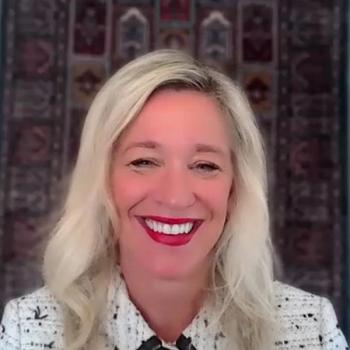
Nurse practitioner Beth Faiman shares strategies to reduce infection risk in patients receiving bispecific antibodies for multiple myeloma.

Catering supportive care to the individual being treated helps better meet the needs of each patient, says Michelle Kirschner, MSN, RN, ACNP, APRN-BC.
Lisa Hwa Christenson, APRN, DNP, CNP, FAPO, outlines best practices for safely transitioning patients with multiple myeloma on bispecific antibodies to community care.
Kelsey Martin, APRN, AG-ACNP-BC, AOCNP, discusses current ADCs in breast, bladder, and lung cancer and highlights promising agents in development.
