



Leukemia
Latest News

Advertisement
Latest Videos
































































Advertisement
More News
The FDA approved a larger vial size of nelarabine for the treatment of pediatric and adult patients with T-ALL and T-LBL.

Phase 2 data demonstrated similar pharmacokinetic profiles between subcutaneous azacitidine and an oral combination of azacitidine and cedazuridine.

Phase 3 trial results demonstrated a significant benefit with the BTK inhibitor pirtobrutinib vs bendamustine plus rituximab in patients with untreated CLL/SLL.
Pirtobrutinib demonstrated noninferior response rates to ibrutinib and showed a trend toward survival benefit in patients with CLL/SLL.

Patients with AML receiving azacitidine and venetoclax had significantly higher quality of life than those receiving intensive induction chemotherapy.
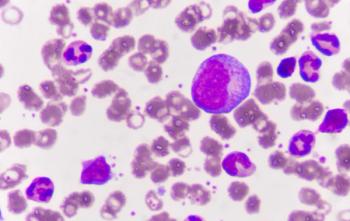
Blinatumomab/ponatinib increased efficacy, and response rates were improved in patients with Philadelphia-positive acute lymphoblastic leukemia.

Nearly one-third of families of children with acute lymphoblastic leukemia developed “catastrophic” financial toxicity during the patient’s treatment.

The primary end point of EFS was met in patients given conditioning without TBI, along with allogeneic HCT in a subset of patients with B-ALL.

Fixed-duration venetoclax combined with obinutuzumab or ibrutinib produced noninferior PFS compared with continuous ibrutinib monotherapy.
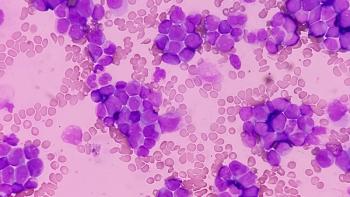
Race was identified as an independent prognostic factor in patients with AML receiving intensive chemotherapy.
The FDA has approved pirtobrutinib treatment for adults with relapsed/refractory CLL/SLL who have received prior treatment with a covalent BTK inhibitor.
Catch up on recent regulatory decisions by the FDA in oncology, including actions in lung, hematologic, genitourinary, and gastrointestinal cancers.
The FDA has approved ziftomenib for relapsed or refractory acute myeloid leukemia harboring NPM1 mutations with no alternative treatment options.
The FDA has approved revumenib for relapsed or refractory NPM1-mutated acute myeloid leukemia.

POIESIS Trial Evaluates Navtemadlin/Ruxolitinib Combo in Myelofibrosis
Published: | Updated:
The addition of navtemadlin to ruxolitinib for patients with myelofibrosis who are JAK inhibitor-naive with suboptimal response to ruxolitinib will be evaluated in the phase 3 POIESIS trial.
Revumenib was added to NCCN guidelines for relapsed or refractory NPM1-mutated acute myeloid leukemia.

Nurses must stay up to date on novel agents and their toxicities to properly monitor for and manage immune effector cell-associated neurotoxicity syndrome.
CRS is a common but manageable toxicity of CAR T-cell therapy and bispecific antibodies. Learn strategies to identify and manage this adverse effect.
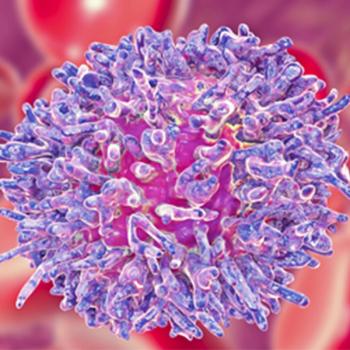
An observational study found IHC may serve as a biomarker for early detection of TP53‐mutant MDS or AML and prediction of TP53 allelic state.

A generic version of ibrutinib was granted tentative approval by the FDA for use in CLL and SLL with 17p deletion and Waldenström macroglobulinemia.
The FDA removed REMS and reduced certain monitoring needs for liso-cel and ide-cel in B-cell malignancies.
An oral tablet formulation of zanubrutinib was approved for use in patients with certain lymphomas or leukemia and Waldenström macroglobulinemia.
A network meta-analysis suggests zanubrutinib may offer improved efficacy over other BTK inhibitors for patients with high-risk relapsed/refractory CLL.
Gene expression in peripheral blood as well as patient-reported outcomes differed for those with acute myeloid leukemia undergoing induction chemotherapy.
Advertisement
Advertisement
Trending on Oncology Nursing News
1
FDA Grants Accelerated Approval to Dostarlimab in dMMR Rectal Cancer
2
How AI Could Ease the Cost Crisis in Cancer Care
3
Anktiva Plus BCG: Telling Expected Immune Effects From Red Flags
4
Automated Breast Ultrasound Tied to Fewer False-Positives in Dense Breasts
5