Beth Faiman details the new IMS/IMWG consensus definition of cure for multiple myeloma, requiring 5 years of treatment-free remission.
Treatment for patients with R/R multiple myeloma should be based on the individual patient and their history, said Lisa Hwa Christenson, DNP, APRN, CNP.
Sequencing treatment for patients with relapsed or refractory multiple myeloma depends on the patient’s disease and history, explained Lisa Hwa Christenson, DNP, APRN, CNP, associate professor of medicine and nurse practitioner at the Mayo Clinic College of Medicine and Science in Rochester, Minnesota.
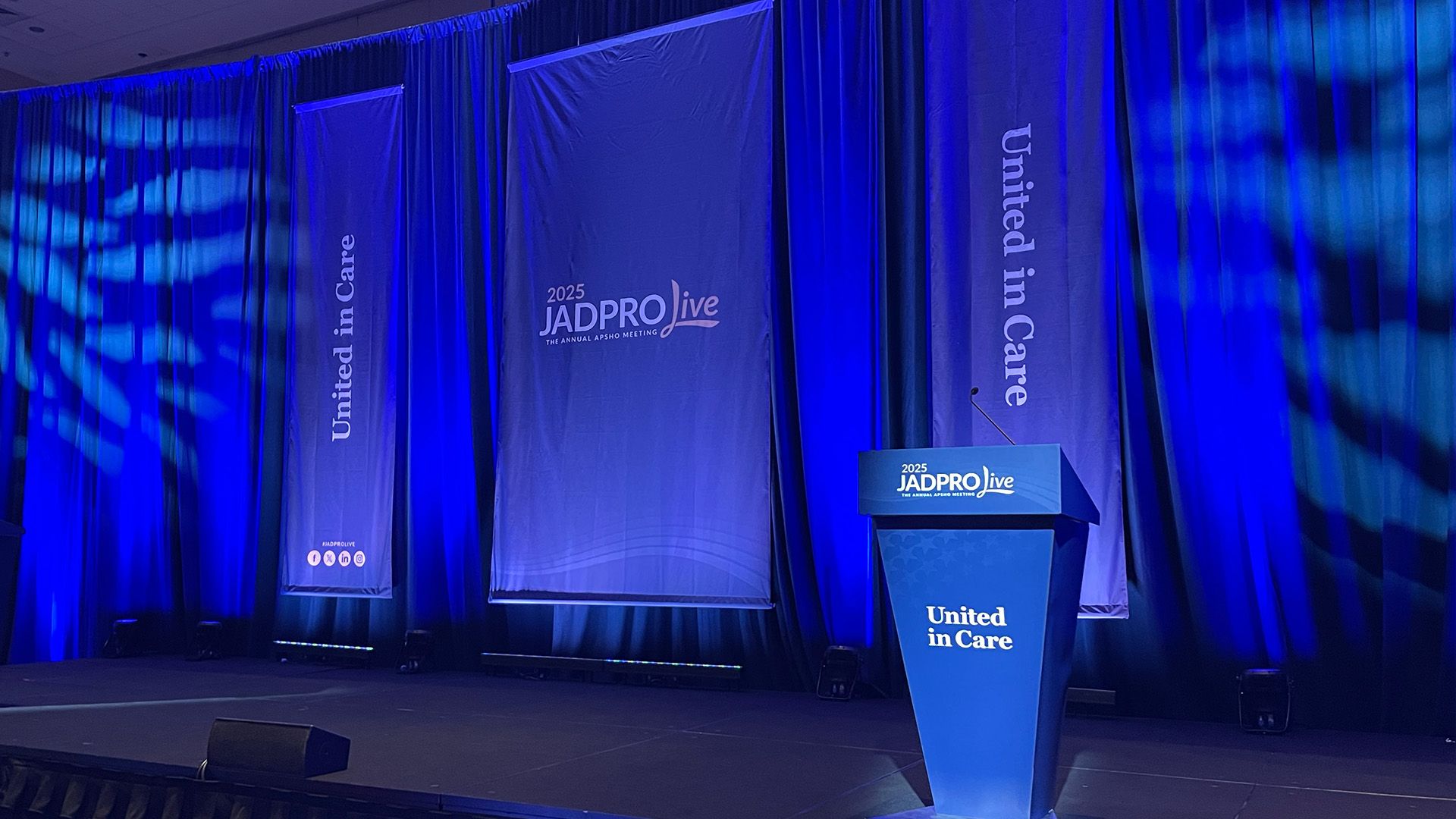
Following a presentation with Miriam Hobbs, DNP, APRN, CNP, at JADPRO Live 2025 on the ever-evolving landscape of treatment for this patient population, Christenson explained in an interview with Oncology Nursing News that for each treatment decision, clinicians must consider the patient, their disease, and prior treatment.
As explained in Christenson’s presentation, factors about the patient that should be considered include age, frailty, health disparities, renal function, transplant eligibility or experience, support system, and their preferences, among others.
Regarding the patient’s disease, considerations should include previous response duration, risk, disease burden, type of relapse (clinical vs biochemical), marrow reserve, and organ damage.
Prior treatment experience that should be considered includes which therapies patients have already been exposed to, the efficacy of those drugs, the patient’s tolerance of prior agents, administration method, financial constraints, and location.
Other comorbidities and complications should also be considered, and clinical trials should be considered and discussed with the patient.
There’s no simple algorithm to [sequencing treatment for patients with relapsed/refractory multiple myeloma], so it really depends on each patient’s situation. When we’re helping our patients choose the next line of therapy, we need to have a thorough consideration of all the factors related to the patients, to the disease, and to their treatments. The general strategy is that we’re trying to utilize all approved drugs possible in a rational sequencing combination and treat relapsed disease to the maximum response and keep on maintenance until disease progression again. The other important aspect is that we need to talk about and consider clinical trials and discuss the options with patients at every stage of disease relapse.
This transcript has been edited for clarity and conciseness.
Christenson LH, Hobbs M. Navigating relapsed/refractory multiple myeloma: evidence-based approaches in a changing landscape. Presented at: JADPRO Live 2025; October 23-26, 2025; National Harbor, MD.