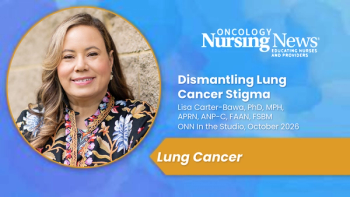
Lisa Carter-Bawa, PhD, MPH, APRN, explains how blame keeps patients from lung cancer care and how nurses can counter that stigma in the community.
With 10 years of oncology nursing experience, Lee Grabb highlights how nurse navigation, human connection, and compassion transform holistic cancer care.
I have spent the last 10 years in oncology, beginning as an LPN in an oncology clinic before returning to school to earn my ADN and become an RN. I then spent seven years in infusion nursing, where I obtained my Oncology Certified Nurse (OCN) credential and ultimately served as the Lead RN, supporting and mentoring a team of infusion nurses. In 2024, I transitioned into oncology nurse navigation at the Georgia Cancer Center while continuing my education and earning my BSN.
Each role has taught me something different. In the clinic, I learned the importance of building trust. In infusion, I learned how to support patients through some of the most difficult days of treatment. As a nurse navigator, I have learned that many of the barriers' patients face extend far beyond their diagnosis. Sometimes they need help with transportation, finances, education, emotional support, or simply someone who will listen.
What I enjoy most about navigation is the opportunity to build meaningful relationships with patients and their families. We become a consistent source of support during one of the most vulnerable times in their lives, helping them navigate not only cancer treatment, but the countless challenges that can come with it.
One patient, in particular, reminded me why I love what I do. She was diagnosed with floor of mouth cancer and faced a daunting treatment plan that included immunotherapy, major surgery, and radiation. Throughout her journey, she endured challenges that many people never see behind the scenes: a lengthy surgery, hospitalization, painful radiation burns, loss of taste, changes in appearance, and difficulty speaking.
Despite everything she faced, she remained determined. She shared that when she was first diagnosed, she felt fear, confusion, and disbelief all at once. She worried about her future, her family, and whether she would be OK. Yet alongside those fears was something stronger: the determination to keep moving forward.
During her most difficult days, she reminded herself that what she was experiencing was temporary and that she would get through it. When anxiety became overwhelming, she focused on what she could control. She found peace in long walks and yoga, leaned on the support of her family and friends, and continued taking each day one step at a time.
What impacted me most was her perspective on support. She told me that the best way to help someone facing cancer is to listen, encourage them, and understand their needs. Sometimes that means being present. Sometimes it means giving them space. Either way, it means meeting them where they are.
Her journey reinforced one of the greatest lessons oncology has taught me: Cancer care is about far more than treating a disease. It is about caring for the whole person. It is about helping patients find hope when they are afraid, strength when they are exhausted, and confidence when the future feels uncertain.
Watching her navigate her diagnosis and treatment reminded me why I chose this profession. While medications, surgeries, and technology are critical components of cancer care, compassion and human connection remain at the heart of healing.
One quote has always resonated with me. Steve Jobs spoke about the importance of finding work that you truly love. Over the past decade, I have discovered that oncology is where I belong. Every patient I have met, every family I have supported, and every role I have held has reinforced that calling. From caring for patients in the clinic, to supporting them through treatment in infusion, to walking alongside them as a nurse navigator, I have found purpose in helping people navigate some of the most difficult moments of their lives.
The patient who shared her story reminded me that cancer care is about more than medications, surgeries, and treatment plans. It is about connection, compassion, hope, and being present when someone needs you most. Her journey reinforced why I chose oncology and why I continue to grow within this profession. It reminded me that while we may not be able to change a diagnosis, we can make a profound difference in how patients experience their journey.
Ten years ago, I entered oncology looking for a career. Instead, I found my purpose. And I have never looked back.