Precision medicine is a term that has been in our oncology language for years, but changes are occurring quickly. As oncology nurses, we need to learn about genomics and biomarkers and what precision medicine means for patients’ outcomes.
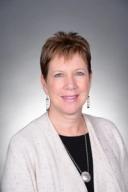
Patricia Jakel is a retired advanced practice nurse for the UCLA Santa Monica Solid Oncology Program who now serves as an oncology nurse consultant and an associate professor at UCLA School of Nursing. In 1997, she received the Advanced Practice Nurse of the Year Award from the ONS Los Angeles Chapter. She is an active member of American Nurses Association, the American Cancer Society, and the Oncology Nursing Society, and her personal research interests include survivorship, adverse event management, and quality-of-life improvement.
Precision medicine is a term that has been in our oncology language for years, but changes are occurring quickly. As oncology nurses, we need to learn about genomics and biomarkers and what precision medicine means for patients’ outcomes.
The new model of care will seek to increase value-based care for patients receiving chemotherapy.
In 17 years, the mortality rate for Black women with breast cancer has not changed.
Patricia Jakel, RN, MN, AOCN, discusses burnout and compassion fatigue in acute oncology care.

Oncology nurses must assess the total pain of their patients by considering the physical, psychological, social, emotional, and spiritual elements.

Patricia Jakel, MN, RN, AOCN, reflects on the values of nursing Hackathons and encourages Hackathon participation from oncology nurses.
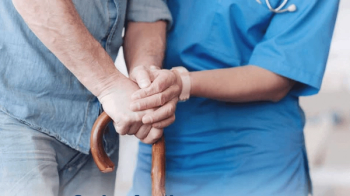
With estimates pointing to 26.1 million cancer survivors by 2040, the care of these individuals will need to be more than a care plan in their electronic medical record.

Psychological support services for patients and colleagues are critically needed and should be a vital component in postpandemic planning.

Digital health should be of special interest to oncology nurses, as monitoring and interventions for symptoms are the pillar of cancer care.

When administering oral therapies for HER2+ breast cancer, discuss adverse events and medication adherence.

To understand the impact of the pandemic, I asked clinical nurses to describe the 2020 The Year of the Nurse and Midwife in a few words. Everyone was eager to give a statement and many, many were very prideful for the nursing care done in 2020.
Oncology nurses need to keep an eye out for diarrhea in their patients on CDK4/6 inhibitors.
If nurses fail to address these issues or nurses’ leaders fail to coach and support, we may witness a mass exodus from nursing.

I love introducing new nurses to the joy of oncology nursing. The process is gratifying, stressful, and brings much happiness and meaning to my work. However, this year is difficult for everyone including the new nurses, preceptors, and educators.

Cancer will not wait for the COVID-19 epidemic to end.

The pandemic model of patient care is necessary, but exhausting, which leads nurses to moral distress.
There is far less patient education for oral agents, such as CDK4/6 inhibitors for breast cancer, as there is for chemotherapy. This is a major issue, explained Patricia Jakel, MN, RN, AOCN, advanced practice nurse at UCLA's solid tumor program and co-editor in chief of Oncology Nursing News.
The COVID-19 pandemic has shocked the US healthcare system, highlighting our flaws while showing our deep commitment to quality patient care. We in healthcare cannot “pause,” but I am hoping millions of people around the world will do so and realign their convictions from the lessons learned.

All healthcare providers are providing care to the best of their ability, but strangely it does not seem like enough.
“As the world faces growing healthcare shortages, there are ambitious efforts being made to reach a goal of universal health coverage around the world by 2030. Nurses need to be on the front line.” — Patricia Jakel, MN, RN, AOCN

Currently, we are facing unprecedented challenges in nursing and with our collective experiences and expertise.
Some metastatic breast cancer data is not available. And some patients choose not to know it.

Conferences are where oncology nurses can network, discuss key topics in their field, and hear new updates that will eventually affect their patients. At the 3rd Annual School of Oncology Nursing, we had the chance to talk about what nurses can gain from these conferences with Patricia Jakel, MN, RN, AOCN.
When nurses understand their patients' health literacy levels, as well as what kind of additional supports they need, it could lead to better drug compliance, according to one advanced practice nurse.
Mindfulness is key when it comes to preventing compassion fatigue.
“New oncology therapies offer nurses a new challenge, and we will accept this challenge.”