

Sunvozertinib received FDA priority review for advanced EGFR exon 20 insertion-positive non-small cell lung cancer progressing after chemotherapy.
Sunvozertinib received FDA priority review for advanced EGFR exon 20 insertion-positive non-small cell lung cancer progressing after chemotherapy.

In patients with RRMM, subcutaneous isatuximab plus Pd resulted in a non-inferior objective response rate (ORR) and comparable pre-dose concentrations at steady state compared to IV isatuximab plus Pd.

Phase 1 data indicate invikafusp alfa's potential as a precision cancer immunotherapeutic in solid tumors that have progressed after PD-(L)1 therapy.

Ropeginterferon alfa-2b showed superior efficacy over anagrelide in the SURPASS-ET trial for essential thrombocythemia, with higher durable response rates and greater JAK2 allele burden reduction.
Amivantamab and lazertinib improved overall survival compared to osimertinib as a first-line treatment for advanced or metastatic EGFR-mutant NSCLC.

While the phase 2 trial did not meet its primary endpoint, it demonstrated that SBRT plus concurrent radiotherapy yielded better results than those observed in previous studies.

Updated results from the phase 3 CheckMate-8HW trial continue to show fewer severe (grade 3/4) side effects with nivolumab/ipilimumab compared to chemotherapy.

Analysis of two trials indicates psilocybin-assisted psychotherapy may benefit the mental health of patients with cancer.

The SU2C-SARC032 study demonstrated that pembrolizumab combined with radiotherapy and surgery was well tolerated, with infrequent surgical complications.

A new drug application has been submitted to the FDA for dordaviprone to treat recurrent H3K27M-mutant diffuse glioma.

A combination of avutometinib and defactinib has been granted priority review by the FDA for the treatment of KRAS-mutant recurrent low-grade serous ovarian cancer.
Beth Sandy, MSN, CRNP, FAPO, led a discussion on EGFR-mutated non-small cell lung cancer, focusing on targeted therapies for those with advanced, treatment-naïve disease.

Durvalumab improved progression-free survival in unresectable NSCLC patients without progression post-chemoradiotherapy, reducing disease progression risk by 25% compared to placebo.

Pembrolizumab plus chemotherapy significantly improved 4-year OS and EFS in resectable early-stage NSCLC compared to chemotherapy alone.

The antibody-drug conjugate showed a higher objective response rate but failed to meet the primary OS endpoint in patients with pretreated advanced urothelial carcinoma.

Zongertinib achieved a 71% objective response rate and 93% disease control rate in patients with HER2-mutant NSCLC at a dose of 120 mg.

"When most people hear the words palliative care, they immediately think about hospice or end-of-life care. This includes most medical professionals."
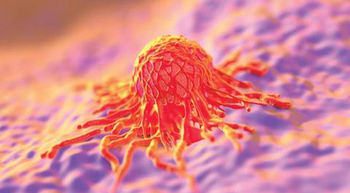
The phase 3 KEYNOTE-826 trial met its dual primary end points of overall and progression-free survival in patients with cervical cancer.

Oncology nurses can educate patients about the potential indications for oncolytic virus therapy and connect them to available clinical trial opportunities.
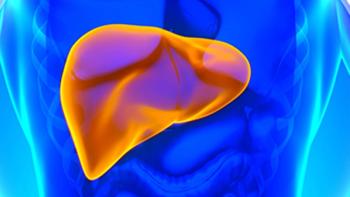
Lenvatinib showed a median PFS of 5.4 months in advanced HCC patients following treatment with atezolizumab/bevacizumab, meeting the primary endpoint.

Niraparib plus dostarlimab with platinum-based chemotherapy achieved superior PFS, meeting the primary end point of the phase 3 FIRST-ENGOT-OV44 trial.

Nivolumab and hyaluronidase-nvhy (Opdivo Qvantig) was approved by the FDA for subcutaneous injection across approved solid tumor indications for nivolumab (Opdivo).
The FDA approved tislelizumab plus chemotherapy for the first-line treatment of unresectable or metastatic gastric or GEJ adenocarcinoma.

Oncology Nursing News presents its top 5 articles covering the many advances made in cancer this year.

Lunresertib plus camonsertib showed promising efficacy in advanced endometrial and platinum-resistant ovarian cancers, with ORRs of 25.9% and 37.5%, respectively.

Heather Greene, MSN, FNP, AOCNP, shares insight into the use of erdafitinib in patients with locally advanced or metastatic urothelial carcinoma.

The haplotype is more common in patients achieving a complete hematologic response, indicating its potential as a treatment response biomarker.
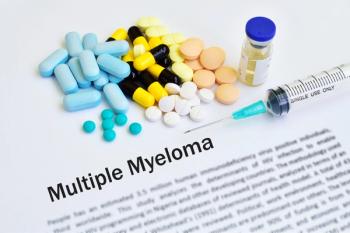
Patients treated with ide-cel, Abecma for relapsed/refractory multiple myeloma affecting the central nervous system had similar outcomes to matched patients with non-CNS multiple myeloma.
Oncology nurses can educate patients on the implications of these findings

Ribociclib plus endocrine therapy shows PFS benefit in luminal B/HER2E breast cancer subtypes compared to chemotherapy, especially with low immune-related gene expression.
