

New FDA approvals in July include therapies for NSCLC, relapsed multiple myeloma, liver cancer, and B-cell malignancies.
New FDA approvals in July include therapies for NSCLC, relapsed multiple myeloma, liver cancer, and B-cell malignancies.

Adding aprepitant to chemotherapy was linked to longer survival in patients with non-luminal breast cancers, especially triple-negative breast cancer.

Adding sonrotoclax to zanubrutinib led to deep and durable response in relapsed or refractory mantle cell lymphoma, according to EHA Congress data.

Explore essential mental health support strategies for older adults with cancer, addressing grief, community resources, and tailored care approaches.

Oncology nurses can ensure patients with non–small cell lung cancer receive the optimal treatment quickly by understanding comprehensive genomic profiling.

2025 ICE-T Conference presenters explain what nurses and APPs should take into account as immune cell effector therapies become more widely used.

Pooled data from early-phase trials suggest JSKN003 is tolerable and active in patients with heavily pretreated HER2-positive disease.

A generic version of ibrutinib was granted tentative approval by the FDA for use in CLL and SLL with 17p deletion and Waldenström macroglobulinemia.

The addition of retifanlimab to chemotherapy increased progression-free survival in patients with advanced squamous cell carcinoma of the anal canal.

The investigational BET inhibitor is being investigated combined with abemaciclib or cisplatin/etoposide in NUT carcinoma in 2 clinical trials.

A quality-adjusted time without symptoms or toxicity analysis identified better outcomes for patients with RCC treated with belzutifan vs everolimus.

Levels of kidney injuring molecule–1 appear to be predictive of therapeutic benefit in patients with renal cell carcinoma.

A personalized neoantigen vaccine may be effective in patients with clear cell renal cell carcinoma, shared David A. Braun, MD, PhD.

Oncology nurses can assess patients’ risk factors and advocate for preventive strategies that protect kidney function during cisplatin therapy.

Based on durable response data, TAR-200 has been given priority review for the treatment of patients with high-risk non–muscle-invasive bladder cancer.

The combination of apalutamide to carotuximab showed early signs of tolerability in patients with metastatic castration-resistant prostate cancer.

Understanding actionable mutations and educating patients on the safety profiles of targeted therapies are essential for the care of HR+, HER2- mBC.

Most patients demonstrated at least partial response to tarlatamab in a real-world population with extensive-stage small cell lung cancer.

Data from a research database link ctDNA positivity in early breast cancer with poorer survival and higher recurrence risk.

Those who took olanzapine reported higher levels of satisfaction than patients on placebo.

Panitumumab plus FOLFIRINOX or mFOLFOX6 failed to yield meaningful responses in liver-limited, RAS/BRAF wild-type unresectable mCRC.

Further data could back zanidatamab as advanced treatment for HER2-positive advanced gastroesophageal adenocarcinoma.
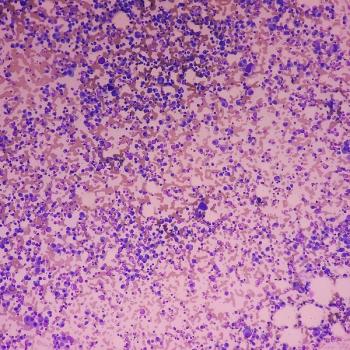
Step-up dosing with remote monitoring resulted in 47% of patients receiving bispecific antibodies remaining outpatient, even in cases of CRS.
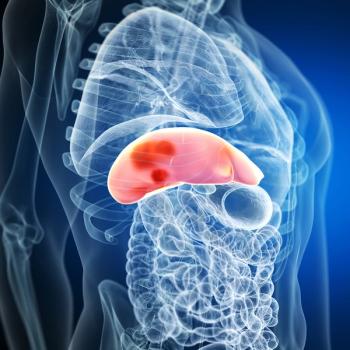
Irpagratinib plus atezolizumab showed durable responses and manageable safety in advanced HCC with FGF19 overexpression, regardless of prior ICI exposure.

Treatment with Temferon led to prolonged survival and possible disease control in 2 patients with newly diagnosed glioblastoma multiforme.

KN026 plus KN046 produced sustained responses and showed a manageable safety profile in pretreated patients with HER2-positive advanced breast cancer.

The selective internal radiation therapy SIR-Spheres has been approved by the FDA for use in patients with unresectable hepatocellular carcinoma.

Volumetric PET biomarkers may help predict risk of toxicity from CAR T-cell therapy in patients with large B-cell lymphoma, new retrospective data suggest.

Gedatolisib-based combinations yielded encouraging responses in patients with mCRPC and HER2-positive metastatic breast cancer, early trial data show.

Sunvozertinib has received accelerated approval for use in advanced or metastatic non–small lung cancer harboring EGFR exon 20 insertion mutations.
