

Melissa Rikal, MSN, FNP-BC, AOCNP, shares strategies to help nurses improve adherence and patient education for oral oncolytic therapies.
Melissa Rikal, MSN, FNP-BC, AOCNP, shares strategies to help nurses improve adherence and patient education for oral oncolytic therapies.

Nurse practitioner Beth Faiman outlines nursing strategies to monitor, assess, and manage toxicities associated with talquetamab in multiple myeloma.
Melissa Rikal, MSN, FNP-BC, AOCNP, explained that adverse effects are common among the available antibody-drug conjugates in breast cancer.
David A. Braun, MD, PhD, explained that personalized cancer vaccines can be associated with toxicities typical of both vaccines and immunotherapies.

Michelle Kirschner, MSN, RN, ACNP, APRN-BC, explains how educating patients about the Breast Cancer Index can support informed endocrine therapy decisions.

Treatment decisions for older adults after CDK4/6 inhibitors should be tailored, explained Courtney Moore, APRN, FNP-C, OCN.
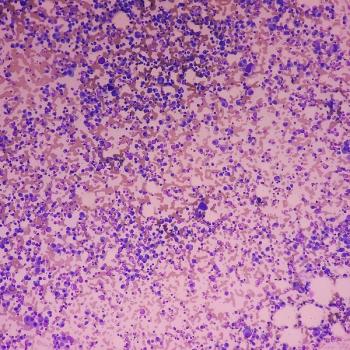
Experts outline AE risks—including ICANS, CRS, HLH—as T-cell engager use expands, highlighting the crucial role of nurses and APPs.

Subcutaneous daratumumab offers shorter clinic visits and high tolerability for patients with multiple myeloma, says Stephanie Mompoint, APRN.

Ronald Bleday, MD, explained that a model to reduce opioid use in patients after colorectal surgery relies on nurses familiar with the relevant surgeries.
For patients with HR-positive breast cancer, adverse effects vary by CDK4/6 inhibitor, says Courtney Moore, APRN, FNP-C, OCN.

Kimberly Podsada, BSN, RN, MSN, NP-C, CNS, explained that understanding a patient’s emotional needs can help educate them on treatment adherence.
Survivorship expert Michelle Kirschner, MSN, RN, ACNP, APRN-BC, says that “doable changes” can enhance the lives of patients surviving cancer.

Experienced oncology nurses and APPs can help nurses newer to the field understand who is more at risk of opioid addiction, says expert Ronald Bleday, MD.

Hope S. Rugo, MD, FASCO, emphasized the importance of educating patients about proactive rash and diarrhea management while taking PI3K/AKT inhibitors.

Establishing a routine early in treatment helps proactively manage adverse effects associated with CDK4/6 inhibitors, says Kimberly Podsada, BSN, RN, MSN, NP-C, CNS.

Paolo Tarantino, MD, PhD, explains that the chemotherapy-related toxicities from an ADC are more likely to limit dosage for patients with cancer.

While CIML natural killer immunotherapy can result in infection-like reactions, required prior chemo may cause infections, shared Wenxin (Vincent) Xu, MD.

Patients receiving subcutaneous daratumumab have less chair time and premedication than those receiving IV formulation, says Heather Wenberg, BSN, RN, OCN.
Each component of an antibody-drug conjugates—payload, linker, and antibody—play a unique role in building the treatment’s use and safety profile.
If patients with breast cancer have hyperglycemia or symptoms of it at home, a short break from capivasertib may be required, according to Hope Rugo, MD.

New therapies in breast cancer, particularly ADCs, present unique safety profiles for nurses to be aware of, according to Erika Hamilton, MD.

Getting to the root of patients’ issues can provide support for their cancer journey through accessible means, says Heather Jackson, PhD, APRN, FNP-BC, NEA-BC, FAA-NP.

For patients who have progressed on endocrine therapy, consistent monitoring of blood counts and biomarker testing informs treatment sequencing.

CAR T-cell therapy is starting to enter treatment conversations sooner with patients with multiple myeloma, according to Nick Barkemeyer, PA-C, MMS.
The BCI and patient goals help oncology nurses counsel patients on endocrine therapy use after 5 years, per Michelle Kirschner, MSN, RN, ACNP, APRN-BC.
According to Kimberly Podsada, BSN, RN, MSN, NP-C, CNS, the availability of 3 CDK4/6 inhibitors in first-line mBC therapy gives patients more choices.

Oncology nurses can help patients and families understand the expectations of pediatric brain cancer survival, says Kasey Rangan, MSN, CPNP-PC, CPHON.

In addition to a significant PFS benefit vs nab-paclitaxel alone, the combination provides an at-home option for patients with ovarian cancer.
Education before subcutaneous daratumumab administration can both reassure patients and reduce the occurrence of adverse events, according to Stephanie Mompoint, APRN.
By monitoring patients’ CBC and other symptoms, nurses and advanced practice providers can spot early indicators of parkinsonism risk, per Yi Lin, MD, PhD.
