Opinion|Videos|January 3, 2025
Empowering Patients in Treatment Planning
Author(s)David Dingli, MD, PhD, Brandi Lewis
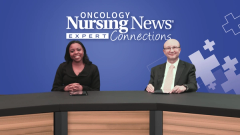
Panelists discuss resources and strategies to help patients and caregivers cope with the initial shock of a paroxysmal nocturnal hemoglobinuria (PNH) diagnosis, emphasizing critical points during the first consultation, and explore how Brandi communicated her treatment preferences to her care team, reflecting on her sense of inclusion in the decision-making process and areas for improvement.
Advertisement
Episodes in this series
Video content above is prompted by the following:
- What resources or strategies do you recommend helping patients and caregivers overcome the initial shock of a PNH diagnosis?
- What are the most critical points you emphasize to patients and caregivers during the first consultation?
- When deciding on a treatment plan, what factors were most important to you, and how did you communicate that to your care team?
- Did you feel included in the decision-making process? What worked well, and what could have been improved?
This program was made possible with support from Novartis Pharmaceuticals.
Advertisement
Related to this article

Dr. Andrew Pecora on leading the first IV oncolytic virus trial, building a top-50 cancer center, and using AI to fix the cost of cancer care.
In the phase 2 EVITA trial, vitamin C did not slow clonal growth but was linked to fewer serious adverse events and longer exploratory survival.
In observation of National PA Week, Moffitt PA Mark Honor discusses the expansion of APPs and key collaboration strategies for oncology nurses.
Beth Faiman details the new IMS/IMWG consensus definition of cure for multiple myeloma, requiring 5 years of treatment-free remission.
Oncology clinicians gathered to review relapsed CLL care options, CAR T-cell trial updates, and advanced practice provider roles.
At ASTRO 2026, Suresh Rana details how AI-driven contouring accelerates care timelines, requiring rigorous team monitoring and early nursing input.
At ASTRO 2026, Dr. Erica Braschi Jordan details toxicity tracking, physical therapy referral, and quality of life in proton regional nodal irradiation.
At ASTRO 2026, Dr. Mishaal Munir details how nurse-led triage workflows and prompt symptom escalations improve care for breast cancer brain metastases.
Advertisement
Advertisement
Trending on Oncology Nursing News
1
FDA Grants Accelerated Approval to Dostarlimab in dMMR Rectal Cancer
2
How AI Could Ease the Cost Crisis in Cancer Care
3
Anktiva Plus BCG: 84% of Responders Cystectomy-Free at 3 Years
4
Automated Breast Ultrasound Tied to Fewer False-Positives in Dense Breasts
5