Opinion|Videos|February 25, 2025
Living With PNH: Long-Term Management and Caregiver Support
Author(s)David Dingli, MD, PhD, Brandi Lewis
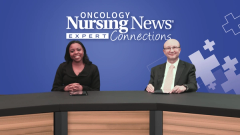
Panelists discuss how they maintain treatment adherence through digital health apps, calendar reminders, and symptom journals while working closely with their care teams to address uncertainties and make informed decisions about therapy adjustments, with crucial support from caregivers who help track appointments and provide emotional encouragement throughout their chronic care journey.
Advertisement
Episodes in this series
Video content above is prompted by the following:
- How do you stay organized with your treatments, appointments, and symptom tracking?
- Have there been times when you felt uncertain about your care plan, and how did your team address that?
- How do you help patients adjust to the idea of paroxysmal nocturnal hemoglobinuria (PNH) as a chronic condition requiring lifelong management?
- What signs indicate that a therapy change may be needed, and how do you guide patients through that transition?
- What role do caregivers play in the patient’s care journey, and what advice would you give to other patients about involving loved ones in their care?
- How do you help patients stay hopeful when treatment adjustments are necessary or when challenges arise?
This program was made possible with support from Novartis Pharmaceuticals.
Advertisement
Related to this article
As bispecifics and cell therapies move outpatient, Kate Kennedy, MSN, APRN, says nurses and APPs should focus on education and atypical infections.

A 3-minute video and quick-reference list of October's 7 FDA cancer approvals, with the biomarker and monitoring points nurses need for each.

Oral vitamin C did not slow clonal growth in the phase 2 EVITA trial but was linked to longer survival.
Kathryn Shady, PhD, RN, OCN, discusses research on emotional dissonance and vicarious trauma among hematology/oncology nurses.
Ellery Palanuk, MSN, RN, CN-BN, explains how navigators rely on multidisciplinary teams and tumor boards as breast cancer treatment evolves.
At EONS 2026, a City of Hope nurse practitioner explains how shifting immunotherapy from infusion to injection can free nurse and chair time.
Oncology nurses play a key role guiding patients about AI breast cancer risk assessment tools, dynamic re-testing, and individualized screening plans.
Dana-Farber nurse practitioners outline ADC patient selection, sequencing, ILD surveillance, and patient education from JADPRO Live 2026.
Advertisement
Advertisement
Trending on Oncology Nursing News
1
Daraxonrasib and RAS Inhibition: What Oncology Nurses Need to Know
2
October 2026 FDA Approvals: 7 Cancer Updates for Oncology Nurses
3
Childhood Leukemia Treatment Disrupts Work, Finances for Most Families
4
Education, Infection Vigilance Define Outpatient Bispecific Care
5