The phase 2/3 OptimUM-02 trial found darovasertib plus crizotinib improved survival for patients with HLA-A*A2:01-negative metastatic uveal melanoma.
The phase 2/3 OptimUM-02 trial found darovasertib plus crizotinib improved survival for patients with HLA-A*A2:01-negative metastatic uveal melanoma.

Data presented at the annual APOS Conference revealed training and workflow issues in providing developmentally appropriate cancer care to AYA patients.

A multidisciplinary approach to care is key when addressing sexual health concerns among breast cancer survivors.

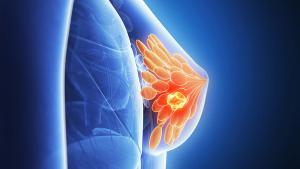
A significant portion of patients with locally advanced breast cancer receiving ultra-hypofractionation radiotherapy responded to treatment.
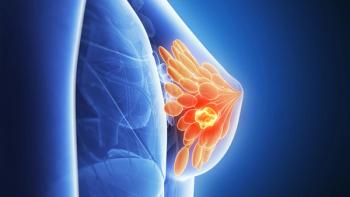
Dato-DXd has been given priority review for the treatment of patients with unresectable/metastatic triple-negative breast cancer.
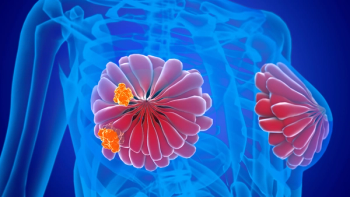
The use of sacituzumab govitecan to treat HR+/HER2– metastatic breast cancer did not reach its primary end point of progression-free survival.
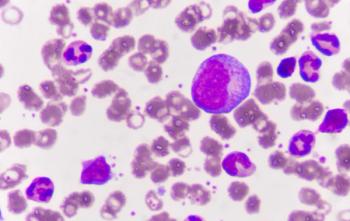
Blinatumomab/ponatinib increased efficacy, and response rates were improved in patients with Philadelphia-positive acute lymphoblastic leukemia.
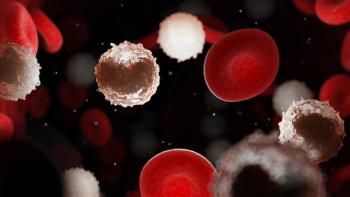
The primary end point of EFS was met in patients given conditioning without TBI, along with allogeneic HCT in a subset of patients with B-ALL.

T-DXd plus pertuzumab improved PFS and DOR across HER2+ breast cancer subgroups, regardless of prior therapy or PIK3CA mutation status.

T-DXd plus pertuzumab improved progression-free survival vs THP regardless of prior therapy, hormone receptor status, or PIK3CA mutations.
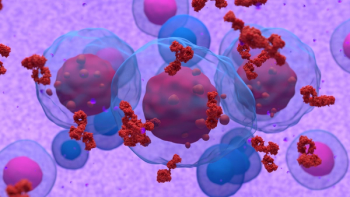
A 1-time dose of arlo-cel demonstrated safety and efficacy in patients with relapsed or refractory multiple myeloma that was previously treated.
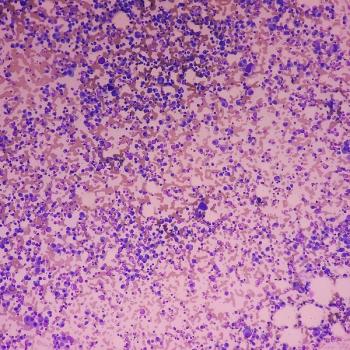
Patients with intermediate- or high-risk MDS experienced a higher modified overall response rate with the venetoclax/azacitidine vs placebo/azacitidine.

Survey results show patients may overestimate dermatologic AEs from anti-cancer therapies, raising concerns for treatment adherence.

Cancer survivors, particularly men, in physically demanding jobs often face pressure to keep working during treatment, says Cathy Bradley, PhD.
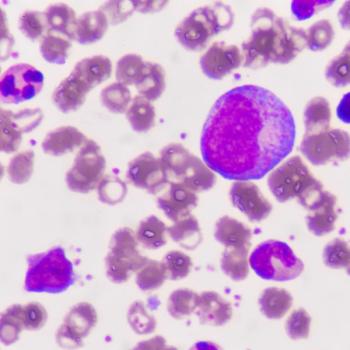
Adding danazol or erythropoiesis-stimulating agents for anemia management to a ruxolitinib regimen for myelofibrosis does not decrease treatment efficacy.

NIVOPOSTOP trial data demonstrate a reduction in the risk of recurrence or death with adjuvant nivolumab combined with cisplatin/radiotherapy in LA-SCCHN.


Findings highlighted that increased physical activity was associated with a variety of benefits in improving overall well-being in early adolescent and young adult survivors.
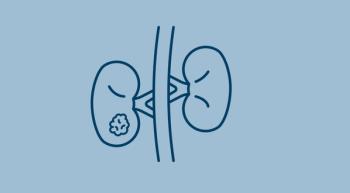
New results uphold previous findings regarding the efficacy of cabozantinib, nivolumab, and ipilumumab arm for advanced renal cell carcinoma.

The phase 2 FDZL-001 trial showed high overall survival and progression-free survival rates with camrelizumab plus Nab-POF in patients with gastric/GEJ cancer.

Additional exploration may help fully realize the impact of combining immunologic approaches with PARP inhibition, says one expert.

The agency granted approval to durvalumab for the treatment of a subset of patients with limited-stage small cell lung cancer.

A nurse practitioner discusses the importance of compassionate end-of-life care discussions.

The PDUFA dates have been pushed for sotorasib and obeticholic acid for metastatic colorectal cancer and primary biliary cholangitis, respectively.

Pain management specialists were rarely consulted for cancer-related pain, a recent study showed.

Pelvic transposition may improve quality of life and preserve fertility in patients with gynecologic cancer undergoing pelvic radiation.

Distant relapse-free survival was maintained with non-operative management of pMMR locally advanced rectal cancer.

Breastfeeding is feasible for patients with hormone receptor–positive breast cancer who are undergoing a break of endocrine therapy.

Adjuvant durvalumab failed to improve disease-free survival in resected EGFR- or ALK-negative non-small cell lung cancer.

SON-080, a novel drug, may reduce chemotherapy-induced peripheral neuropathy in patients previously treated with chemotherapy.

June 19th 2022
February 3rd 2026
December 6th 2025