

Heather J. Jackson, PhD, APRN, FNP-BC, NEA-BC, FAA-NP, shared a review of supportive oncology practices at the 2025 School of Nursing Oncology.
Bridget Hoyt is the assistant editor for Oncology Nursing News. She earned her BA in communication studies at Rider University with a minor in public relations. She can be reached at [email protected].
Heather J. Jackson, PhD, APRN, FNP-BC, NEA-BC, FAA-NP, shared a review of supportive oncology practices at the 2025 School of Nursing Oncology.

The FDA has approved lurbinectedin plus atezolizumab for the treatment of extensive-stage small cell lung cancer following induction therapy with atezolizumab.

An LED-based intraoral device for photobiomodulation therapy was safe and reduced severe oral mucositis in patients with head and neck cancers.

The FDA has approved imlunestrant for the treatment of patients with ESR1-mutated ER+, HER2- metastatic breast cancer.
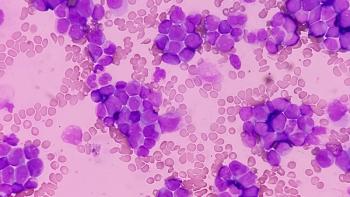
Revumenib was added to NCCN guidelines for relapsed or refractory NPM1-mutated acute myeloid leukemia.

Subcutaneous pembrolizumab has been approved across all indications, cutting chair and administration times with a median injection time of 2 minutes.

Michelle Kirschner, MSN, RN, ACNP, APRN-BC, discusses precision supportive care and tailored survivorship strategies in an ONN interview.

Explore stories of oncology nurses who forge connections with patients, transforming challenges into triumphs in cancer care.

When treating patients with bladder cancer using gemcitabine intravesical system, regular AE monitoring is necessary, said Gary Steinberg, MD.

Relacorilant’s new drug application for platinum-resistant ovarian cancer has been accepted by the FDA.
Formerly known as TAR-200, gemcitabine intravesical system has received the FDA’s approval for use in patients with BCG-unresponsive NMIBC.

Biology-guided radiotherapy involves teamwork across multiple specialists, according to Samantha Bianzon, BSN, RN.

Ronald Bleday, MD, discusses how nurses support a step-wise model to minimize opioid use after colorectal surgery while ensuring safe pain control.

Experts share advice on tailoring frontline treatment and managing toxicities for individuals with hormone receptor–positive metastatic breast cancer.

Nurse practitioners give their advice on making treatment choices based on the patient’s medical history and preferences.

The investigational ADC rinatabart sesutecan was given breakthrough therapy designation for use in patients with recurrent/progressive endometrial cancer.

Paolo Tarantino, MD, PhD, discusses ADC structure, toxicity, and nursing consideration for the treatment of patients with breast cancer.

A nurse-led clinic to aid in patient-reported symptom burden had high patient satisfaction.
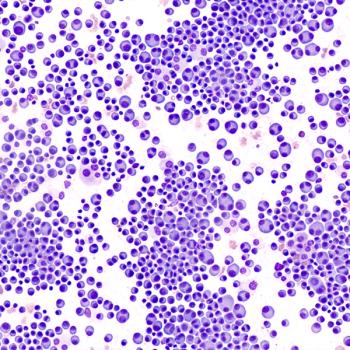
Neurotoxicities can be monitored long term with personalized questions, according to Mary Steinbach, DNP, APRN.

The NCCN has added zongertinib to its guidelines for the care of patients with HER2 (ERBB2)-mutated non–small cell lung cancer.

Oncology nurses play a key role in monitoring, managing, and personalizing CDK4/6 inhibitor treatment to minimize toxicities and protect quality of life, according to Courtney Moore, APRN, FNP-C, OCN.

Treatment access can still affect patients in urban communities, said Mary Steinbach, DNP, APRN.

A breast cancer survivorship expert shares her top advice for counseling patients on endocrine therapy at the 5-year mark.

A care model led by advanced practice nurses was feasible in providing supportive care and linking providers through post-trial care transitions.

Maria C. Velez, MD, shared that teamwork between pediatric and adult care teams can make the transition of care smoother for AYA patients.

The addition of avutometinib to defactinib showed promising safety and efficacy for patients with low-grade serous ovarian cancer.

Heather Jackson, PhD, FNP-BC, NEA-BC, FAANP, explains how a fellowship program sets the tone for how to transition nurse practitioners to oncology.

FDA accelerated approval was given to zongertinib for the treatment of patients with unresectable/metastatic nonsquamous NSCLC with HER2 TKD activating mutations.

The FDA has granted accelerated approval to dordaviprone for use in adult and pediatric patients with H3 K27M-mutated diffuse midline glioma.