


















































Community urology practices have routinely used darolutamide in both doublet and triplet regimens to treat metastatic hormone-sensitive prostate cancer.


PSMA Response May Indicate Better Metastasis Control in Oligometastatic CSPC
Community urology practices have routinely used darolutamide in both doublet and triplet regimens to treat metastatic hormone-sensitive prostate cancer.

Enzalutamide with and without leuprolide improves rates of undetectable PSA levels compared with leuprolide alone in castration-sensitive prostate cancer.
Patients with high-risk prostate cancer treated with apalutamide with androgen deprivation therapy following radical prostatectomy had a recurrence-free survival rate of 100% after 2 years.
Patients with castration-sensitive prostate cancer treated with apalutamide plus androgen deprivation therapy experienced improvements in prostate-specific antigen progression-free survival.
Patients with BRCA-, ATM- and CDK12-mutated mCRPC treated with frontline olaparib plus abiraterone acetate experienced delays in disease progression and improved outcomes.
Subsequent therapies in patients with metastatic hormone-sensitive prostate cancer who were censored from primary overall survival follow-up from the ARASENS trial, according to a post hoc sensitivity analysis, confirmed the overall survival benefit derived from darolutamide plus androgen deprivation therapy and docetaxel.
After radical prostatectomy, patients with prostate cancer treated with abiraterone acetate plus prednisone and apalutamide had improved outcomes without a significant impact on their health-related quality of life.
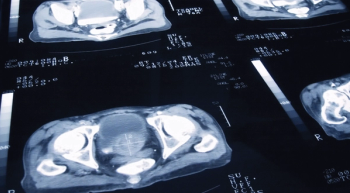
Researchers did not observe any grade 3 or 4 adverse events with darolutamide with androgen deprivation therapy for 6 months followed by radical prostatectomy in patients with locally advanced prostate cancer.
Cabozantinib plus atezolizumab may be a new treatment option for patients with metastatic castration-resistant prostate cancer whose disease progressed on novel hormonal therapy.
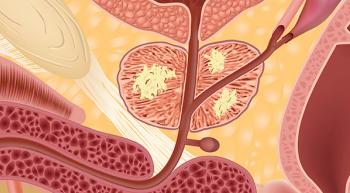
Patients with high-risk prostate cancer treated with a higher dose of radiation therapy and long-term androgen deprivation therapy improved progression-free, cancer-specific, and overall survival compared with the standard dose of radiation.
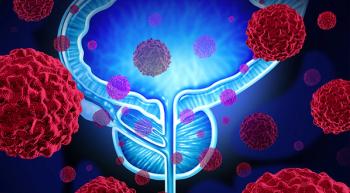
Frontline olaparib plus abiraterone/prednisone improved progression-free survival and responses in patients with metastatic castration-resistant prostate cancer compared with each of the components of the therapy alone.

Patients with metastatic castration-resistant prostate cancer who were previously treated with external beam radiation therapy before radium-223 did not experience an increase in hematological toxicity compared with the overall population.
Despite germline and somatic testing being the standard of care for patients with metastatic castration-resistant prostate cancer, rates of its real-world use shows that it may be underutilized, which may negatively impact therapeutic offerings.
Darolutamide plus androgen deprivation therapy and docetaxel in patients with metastatic hormone-sensitive prostate cancer may lower hospitalization rates but marginally longer lengths of stay vs treatment with placebo, androgen deprivation therapy, and docetaxel.
Olaparib improved survival outcomes in all assessed subgroups of patients with BRCA-altered metastatic castration-resistant prostate cancer.

Leah Shaw, MSN, APRN, AGPCNP-BC; and Jessica Deinert, MSN, APRN, FNP-BC, share their clinical pearls in managing treatment-related adverse events in prostate cancer care.

Pembrolizumab, in addition to enzalutamide and androgen deprivation therapy, was not associated with better radiographic progression-free survival outcomes in patients with metastatic hormone-sensitive prostate cancer.

Patients with prostate cancer who received 18 months of androgen deprivation therapy were more likely to recover their serum testosterone levels and to recover quicker than those who received 36 months of therapy.

The FDA has expanded the indication for enzalutamide to include patients with high-risk nonmetastatic castration-sensitive prostate cancer.
The median overall survival with niraparib, abiraterone acetate, and prednisone was 30.4 months vs 28.6 months with abiraterone acetate and prednisone alone.
The median radiologic progression-free survival was 12.02 months in the 177Lu-PSMA-617 group vs 5.59 months in the androgen receptor pathway inhibitor change group.

Cancer screening tests may not extend life expectancy; however, they still are valuable for public health.

Clinical navigators helped increase the rate of genomic testing referrals among Black patients with prostate cancer—a group that faces significant health disparities in the care system.
Meredith Donahue, APRN-BC, discusses emerging therapies in metastatic prostate cancer.

The genitourinary cancer space has seen a lot of updates in the past 5-10 years, but where are they all coming from so suddenly? Oncology Nursing News spoke with Michael Lai, ARNP, a nurse practitioner at Seattle Cancer Care Alliance, about how the genitourinary cancer space has been able to have so many updates recently.