



















































“When discussing treatment options with patients, it is important to consider efficacy, safety, and the impact of treatment on patients’ quality of life [QOL]…,” noted Brenda Martone, RN, APP.
“When discussing treatment options with patients, it is important to consider efficacy, safety, and the impact of treatment on patients’ quality of life [QOL]…,” noted Brenda Martone, RN, APP.

Indications for 177Lu-PSMA-617 now include taxane-based chemotherapy naive adults with PSMA+ mCRPC.

Oncology nurses play a key role in advocating for metastasis-directed therapy in prostate cancer.
TLX007-CDx was approved by the FDA for PSMA-PET scanning in adult male patients with prostate cancer with suspected metastasis or suspected recurrence.

Two denosumab biosimilars have been approved by the FDA for all previously approved uses for the reference drugs in cancers and osteoporosis.
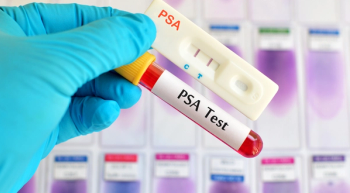
Men with intermediate-risk prostate cancer and high PSA levels before HIFU treatment had a greater risk of both overall recurrence and treatment failure.
Patients with metastatic hormone-sensitive prostate cancer experienced increase rPFS and other efficacy end points with darolutamide plus ADT.
Increase in QOL and decrease in sexual function are among the benefits and risks, respectively, of adding SADT to EBRT for intermediate-risk prostate cancer.

MyCareGorithm was met with high approval from patients, companions, and physicians, with all 3 groups reporting they’d recommend the tool to other patients.
While lower relative dose intensity of docetaxel was associated with higher rates of G-CSF use and more adverse events, discontinuation rates were low across all groups.

Patients with mCRPC taking LuPSMA had a median OS of 34 months vs 26 months with enzalutamide alone.
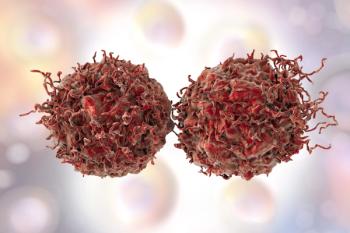
With delays in biomarker testing and treatment for metastatic castration-resistant prostate cancer, continued education is needed to address these gaps.
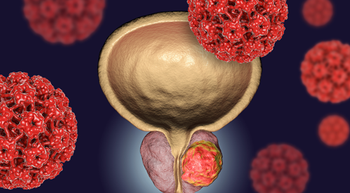
Patients with HRR-deficient metastatic castration-resistant prostate cancer saw a 14-month boost in OS and a 38% lower risk of death with talazoparib plus enzalutamide.

Five-fraction SBRT was noninferior to radiotherapy in a phase 3 trial of patients with low- to intermediate-risk localized prostate cancer.
The pharmaceutical company behind mesylate submitted a new drug application for a ready-to-use 3-month formulation of the drug.
Adding talazoparib to enzalutamide improved survival in patients with metastatic castration-resistant prostate cancer.

The addition of nivolumab to radiotherapy significantly improved freedom from biochemical recurrence in patients with high-grade prostate cancer.
Olaparib after surgery resulted in durable response rates in patients with high-risk biochemically recurrent prostate cancer with BRCA2 alterations.

Patients with metastatic castration-resistant prostate cancer who received radium-223 prior to docetaxel had better quality of life and tolerability scores than those who received docetaxel first.
The addition of radium-223 to enzalutamide led to significant rPFS and OS benefits compared to enzalutamide alone in metastatic castration-resistant prostate cancer.
Companion diagnostics have been approved by the FDA for olaparib plus abiraterone in patients with metastatic castration-resistant prostate cancer.
Enzalutamide produces strong indication of improvements in OS, PCS, TTS, and TTR compared with abiraterone acetate in patients with metastatic castration-resistant prostate cancer (mCRPC).

Michael Lai, ARNP, explained the mechanism of action of PARP inhibitors for the treatment of patients with prostate cancer.
Men with metastatic hormone-sensitive prostate cancer treated with darolutamide plus ADT in the phase 3 ARANOTE trial had improved radiologic progression-free survival compared with placebo.

The antibody drug conjugate BNT324/DB-1311 received fast track designation for the potential treatment of unresectable advanced or metastatic castration-resistant prostate cancer with disease progression.