
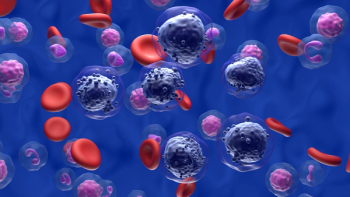
Treatment with venetoclax plus hypomethylating agents yielded improved response rates among adult patients with myelodysplastic syndrome.
Treatment with venetoclax plus hypomethylating agents yielded improved response rates among adult patients with myelodysplastic syndrome.

Following risk management measures, ponatinib-associated adverse events in CML and ALL were shown to have decreased significantly since the drug’s approval.
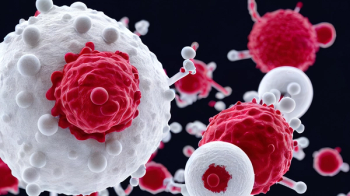
Patients administered lymphodepletion prior to brexu-cel in the outpatient setting experienced a 60-day non-relapse mortality rate of 3.6% in B-ALL and MCL.

The combination of selinexor with ruxolitinib, in both 40mg and 60mg doses, demonstrated encouraging efficacy with a manageable safety profile in patients with myelofibrosis.

Treatment with pirtobrutinib induced superior progression-free survival among heavily pretreated patients with relapsed or refractory CLL/SS previously treated with a covalent BTK inhibitor.

Updated data from the DREAMM-7 trial support the use of belantamab mafodotin plus bortezomib/dexamethasone as a potential new standard of care in relapsed or refractory multiple myeloma, according to Vania Hungria, MD, PhD.

The addition of tafasitamab to lenalidomide and rituximab reduced the risk for disease progression or death by 57% in patients with relapsed/refractory follicular lymphoma.

Second-generation BTK inhibitors exhibited a significantly lower incidence of cardiac adverse effects in B-cell malignancies, according to a meta analysis.

Patients with mantle cell lymphoma in first complete response with undetectable MRD did not benefit from consolidative autologous transplant, according to results from the ECOG-ACRIN EA4151/BMT-CTN 1601 trial.

Treatment with tafasitamab for relapsed/refractory DLBCL in the United States was supported by data from a retrospective analysis.

Real-world treatment with liso-cel showed a broad spectrum of outcomes that were comparable to those in the pivotal TRANSFORM and PILOT trials in patients with relapsed/refractory large B-cell lymphoma.
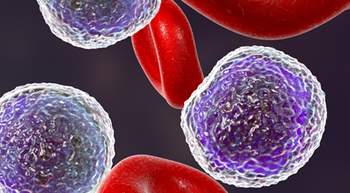
Secondary end points of the ASC4FIRST trial continue to show superior results with the use of asciminib, over standard-of-care TKIs in CML.

Treatment with acalabrutinib plus venetoclax, with or without obinutuzumab, improved PFS over standard-of-care chemoimmunotherapy in patients with treatment-naive CLL.

Treatment with subcutaneous daratumumab significantly improved progression-free survival in patients with intermediate- or high-risk smoldering multiple myeloma.

Treatment with epcoritamab alone demonstrated deep responses in heavily pretreated patients with CLL, according to the expansion and optimization cohorts in the EPCORE CLL-1 trial.

“By addressing these issues, we can ensure that all patients, regardless of their socioeconomic status, have the opportunity to benefit from potentially curative treatments,” one expert says.

An expanded analysis from the phase 3 CEPHEUS trial showed that daratumumab plus VRd improved MRD responses as well as progression-free survival among patients with transplant-ineligible or -deferred newly diagnosed multiple myeloma.

Long-term follow-up showed continued meaningful responses in patients with relapsed or refractory KMT2Ar acute leukemia who were treated with revumenib, with no new safety signals found.

With a link to specific genetic mutations in myelodysplastic syndromes, tobacco smoking may be associated with disease progression and survival.

Treatment with bicistronic CD19/CD22-directed CAR T-cell therapy appeared safe and effective with high remission rates among children with relapsed/refractory B-ALL.
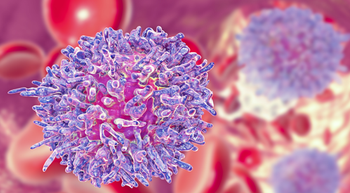
Meta: Blinatumomab plus chemotherapy, vs chemotherapy alone, significantly improved DFS rates and was well tolerated in pediatric patients with standard-risk pediatric B-ALL.

After 3 years, ruxolitinib provided improved control for steroid refractory or dependent chronic graft-versus-host disease when compared with best available treatment.

Reducing the dose of talquetamab, a GPRC5D/CD3 bispecific antibody, may improve side effect rates while maintain high response rates in patients with relapsed or refractory multiple myeloma.

The median overall survival among those treated with tisagenlecleucel was not reached, and the 36-month overall survival rate was 82%.
The major molecular response rate for asciminib at week 156 continued to be higher than with bosutinib.

Most biomarkers in subgroups of patients with treatment-naive chronic lymphocytic leukemia or small lymphocytic lymphoma without del(17p) derived benefit from zanubrutinib vs bendamustine plus rituximab.
At a median 39 months of follow-up, zanubrutinib reduced the risk of disease progression by 32% compared with ibrutinib in patients with relapsed/refractory chronic lymphocytic leukemia and small lymphocytic lymphoma.
Acalabrutinib, whether as monotherapy or as part of a combination, demonstrated superior progression-free survival outcomes compared to obinutuzumab and chlorambucil.
The overall response rate with ibrutinib plus venetoclax was 82% vs 74% with ibrutinib plus placebo.
The 4-year progression-free survival rate with daratumumab, bortezomib, lenalidomide, and dexamethasone was 84.3% vs 67.7% with just bortezomib, lenalidomide, and dexamethasone.