
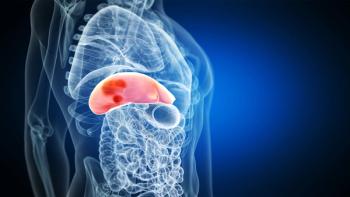
The frontline combination of nivolumab and ipilimumab demonstrated long-term safety and efficacy in patients with unresectable hepatocellular carcinoma.
The frontline combination of nivolumab and ipilimumab demonstrated long-term safety and efficacy in patients with unresectable hepatocellular carcinoma.

Findings from the phase 3 COMMIT study show that adding mFOLFOX6 and bevacizumab to atezolizumab significantly improves PFS in patients with dMMR/MSI-H mCRC.
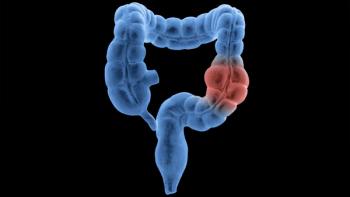
The frontline combination of encorafenib, cetuximab, and FOLFIRI yielded significant improvement vs SOC in BRAF V600E-mutated metastatic colorectal cancer.

Data link physical activity with reduced cancer-related fatigue in patients with colorectal cancer.

Findings from a real-world, head-to-head comparison show greater colorectal cancer risk reduction and safety with the use of a GLP-1RA vs aspirin.
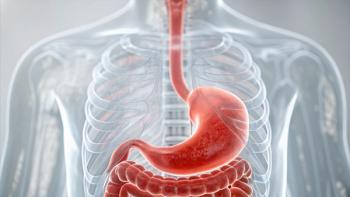
Median PFS over 1 year and median OS over 2 years have been observed for the first time in a phase 3 trial for gastroesophageal adenocarcinoma.

ECOG performance status of 1 was linked with worse patient-reported outcomes in patients with gastric or gastroesophageal junction adenocarcinoma.

Zolbetuximab plus mFOLFOX6 and nivolumab led to meaningful gains in patients with unresectable gastric/gastroesophageal junction adenocarcinoma.

Sintilimab with neoadjuvant chemoradiotherapy enhanced pCR rates in resectable, locally advanced esophageal squamous cell carcinoma.
The combination of tislelizumab, irinotecan, paclitaxel, oxaliplatin, and 5-FU/leucovorin demonstrated promising efficacy and manageable safety in gastric and GEJ cancers.
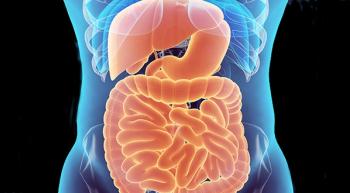
The addition of trastuzumab and pertuzumab to chemotherapy was associated with increased toxicity in patients with HER2-positive gastric cancers enrolled in the INNOVATION trial.

Managing weight loss with telotristat ethyl in patients with metastatic pancreatic ductal adenocarcinoma may improve survival, although further research is needed.
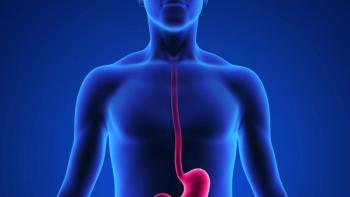
Phone calls to follow up with patients with locally advanced esophageal squamous cell carcinoma while at home may reduce AEs like stomatitis before the first outpatient clinic visit.
Phase 2 findings show clinical responses and improved survival with evorpacept in patients with HER2-positive gastric/gastroesophageal cancer.

While ctDNA positivity was linked to worse overall disease-free survival (DFS) in stage III resected colon cancer, it was associated with significantly improved DFS with celecoxib compared to placebo.

The phase 2 FDZL-001 trial showed high overall survival and progression-free survival rates with camrelizumab plus Nab-POF in patients with gastric/GEJ cancer.

The EA2186 trial was the first study specifically designed to test chemotherapy in older adults with advanced pancreatic cancer who were considered vulnerable.
Analysis of the NAPOLI 3 trial showed that lower doses of liposomal irinotecan or oxaliplatin did not reduce survival in patients with pancreatic ductal adenocarcinoma.
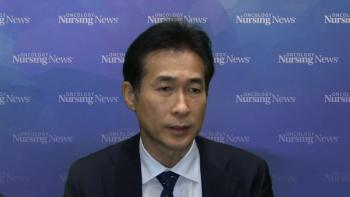
Susumu Hijioka, MD, discussed how a lower dose of everolimus may help address certain adverse events like oral mucositis and hypoglycemia.

The 2-year benefit of bevacizumab in colorectal cancer may explain why survival benefits are seen in studies with two-year, but not longer, follow-ups.

First-line nivolumab plus ipilimumab was shown to be effective and well-tolerated in patients with unresectable hepatocellular carcinoma in the CheckMate 9DW study.

Aspirin reduced disease recurrence in patients with PI3K-mutated colorectal cancer, underscoring the value of early genomic testing.

Cabozantinib prolonged PFS compared to placebo for patients with extrapancreatic NETs starting in the GI tract in a subgroup analysis of the CABINET trial.

Preoperative sintilimab with chemoradiotherapy boosted pathological complete response rates in patients with resectable, locally advanced esophageal squamous cell carcinoma.

Findings from this survey also demonstrated that 23% of providers were comfortable with interpreting biomarker testing results for treatment decision-making.
The phase 3 RATIONALE-306 study found no significant difference in overall survival benefits from tislelizumab plus chemotherapy between early and late responders with ESCC.
Five-year data shows lasting benefit for patients with advanced gastroesophageal cancers treated with nivolumab and chemotherapy.
SHR-1701 plus CAPOX chemotherapy reduced treatment delays and dose reductions compared with placebo plus CAPOX in HER2-negative gastric/GEJ cancer.
Nivolumab plus chemotherapy improved long-term survival in Chinese patients with advanced gastric, GEJ, or esophageal cancer.
Everolimus plus lanreotide resulted in a progression-free survival of 29.7 months in patients with gastroenteropancreatic neuroendocrine tumors, compared with 11.5 months with everolimus monotherapy.