
ESMO GI 2026 data show patients under 50 receive more aggressive therapy yet face poorer survival, suggesting EOCRC is a distinct biological entity.
ESMO GI 2026 data show patients under 50 receive more aggressive therapy yet face poorer survival, suggesting EOCRC is a distinct biological entity.
Study finds 86.5% of gastric/GEJ patients completed surgery after neoadjuvant chemo, significantly improving survival over those who did not.
Long-term data show watch-and-wait is viable for rectal cancer, with most regrowths salvageable despite adverse baseline MRI features.

A real-world study presented at ESMO GI shows fruquintinib is effective in mCRC, with the best outcomes in the third-line setting.
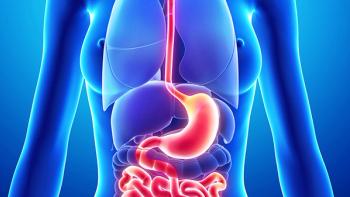
Perioperative pembrolizumab plus chemotherapy improves overall survival in patients with resectable gastric cancer.
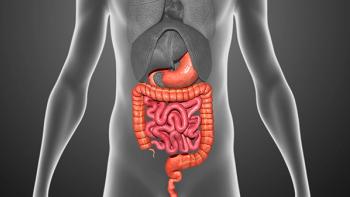
The overall survival rate in patients with advanced biliary tract cancer treated with durvalumab plus chemotherapy was nearly double the rate of those treated with chemotherapy alone.
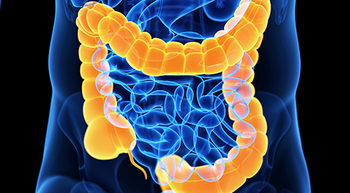
Nivolumab plus ipilimumab improved health-related quality of life and reduced symptom burden in patients with microsatellite instability–high/mismatch repair–deficient mCRC.
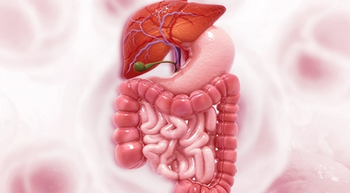
Final results of the ARMANI trial demonstrated that switch maintenance therapy with ramucirumab plus paclitaxel improved survival in advanced HER2-negative gastric or gastroesophageal junction cancer.

Arndt Vogel, MD, PhD, discusses a post-hoc analysis of the phase 3 HIMALAYA trial which found tremelimumab plus durvalumab to be superior to sorafenib in improving overall survival.
An expert of gastrointestinal oncology with the Henry Ford Cancer Institute discusses the developing presence of targeted treatments in the pancreatic cancer treatment paradigm.