

Familiarity with each component of antibody-drug conjugates helps nurses and APPs deliver proactive adverse event management to patients with cancer.
Familiarity with each component of antibody-drug conjugates helps nurses and APPs deliver proactive adverse event management to patients with cancer.
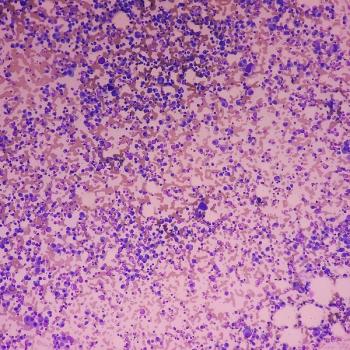
Patients with intermediate- or high-risk MDS experienced a higher modified overall response rate with the venetoclax/azacitidine vs placebo/azacitidine.

Biology-guided radiotherapy involves teamwork across multiple specialists, according to Samantha Bianzon, BSN, RN.

Understanding which patients may benefit from CLDN6-targeting immunotherapy and recognizing potential adverse effects is essential for oncology nurses.

Nurses must stay up to date on novel agents and their toxicities to properly monitor for and manage immune effector cell-associated neurotoxicity syndrome.

Survey results show patients may overestimate dermatologic AEs from anti-cancer therapies, raising concerns for treatment adherence.

Ronald Bleday, MD, discusses how nurses support a step-wise model to minimize opioid use after colorectal surgery while ensuring safe pain control.

Experts share advice on tailoring frontline treatment and managing toxicities for individuals with hormone receptor–positive metastatic breast cancer.

Nurse practitioners give their advice on making treatment choices based on the patient’s medical history and preferences.

The investigational ADC rinatabart sesutecan was given breakthrough therapy designation for use in patients with recurrent/progressive endometrial cancer.

Oncology nurses are needed in research roles, which can provide experience with new therapies, explained Josh Settlemire, MSN, RN, OCN.
CRS is a common but manageable toxicity of CAR T-cell therapy and bispecific antibodies. Learn strategies to identify and manage this adverse effect.

Paolo Tarantino, MD, PhD, discusses ADC structure, toxicity, and nursing consideration for the treatment of patients with breast cancer.

IMvigor011 showed significant improvement in survival outcomes with adjuvant atezolizumab in ctDNA-positive MIBC.

A significant reduction of opioid use in patients after colorectal surgery was supported by clinician and patient compliance, says Ronald Bleday, MD.
Beyond administering CAR T-cell therapy and bispecifics, oncology nurses must apply proactive, supportive care and an understanding of complex treatments.

A nurse-led clinic to aid in patient-reported symptom burden had high patient satisfaction.
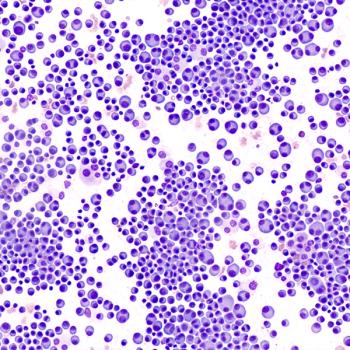
Neurotoxicities can be monitored long term with personalized questions, according to Mary Steinbach, DNP, APRN.

In a phase 1 study, ELI-002 2P improved relapse-free survival in pancreatic and colorectal cancer, with stronger benefit in patients with T-cell responses.

Oncology nurses play a key role in monitoring, managing, and personalizing CDK4/6 inhibitor treatment to minimize toxicities and protect quality of life, according to Courtney Moore, APRN, FNP-C, OCN.

Findings from a small cohort of a phase 2b trial demonstrated 2-year OS benefit in patients with pulmonary metastatic osteosarcoma treated with OST-HER2.

Treatment access can still affect patients in urban communities, said Mary Steinbach, DNP, APRN.

A breast cancer survivorship expert shares her top advice for counseling patients on endocrine therapy at the 5-year mark.

A care model led by advanced practice nurses was feasible in providing supportive care and linking providers through post-trial care transitions.

Maria C. Velez, MD, shared that teamwork between pediatric and adult care teams can make the transition of care smoother for AYA patients.
An observational study found IHC may serve as a biomarker for early detection of TP53‐mutant MDS or AML and prediction of TP53 allelic state.

The addition of avutometinib to defactinib showed promising safety and efficacy for patients with low-grade serous ovarian cancer.

Heather Jackson, PhD, FNP-BC, NEA-BC, FAANP, explains how a fellowship program sets the tone for how to transition nurse practitioners to oncology.
FDA accelerated approval was given to zongertinib for the treatment of patients with unresectable/metastatic nonsquamous NSCLC with HER2 TKD activating mutations.
