

VXM01 plus avelumab was tolerable and could potentially produce clinically meaningful responses in patients with recurrent glioblastoma.
VXM01 plus avelumab was tolerable and could potentially produce clinically meaningful responses in patients with recurrent glioblastoma.
Axi-cel, tisa-cel, and brexu-cel were found comparable to other cellular therapy experiences for patients with B-cell malignancies in real-world data.

Oncology nurses can enhance endometrial cancer recovery by fostering strong social support networks and improving communication with the patient.

Chemotherapy regimens chosen by the ChemoID assay dramatically increased ORR in patients with platinum-resistant ovarian cancer.
Biocartis announced the launch of its real-time quantitative polymerase chain reaction assay to detect POLE and POLD1 mutations in endometrial cancer.
The combination of amivantamab and Lazertinib improved long-term survival over osimertinib in patients with EGFR-mutated non-small cell lung cancer.
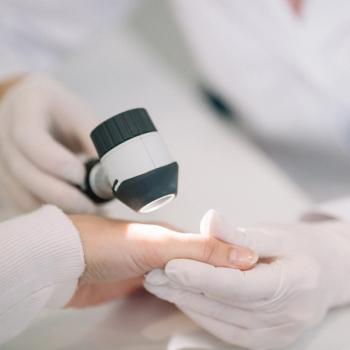
Per phase 2 trial data, enhanced dermatologic management showed a reduction in dermatologic AEs in patients with advanced EGFR-mutated NSCLC.
The FDA approved treatments in various gastrointestinal and genitourinary cancers in March.

Rates of pay, bonus pay, and changes to funding for continuing education were not significantly linked with burnout rates.
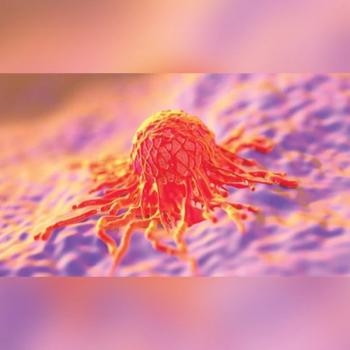
Relacorilant in combination with nab-paclitaxel yielded higher PFS and OS in patients with platinum-resistant ovarian cancer vs nab-paclitaxel alone.

Osimertinib monotherapy and combination treatment had safety profiles consistent with previous data on use of the drug in EGFR-mutated NSCLC.
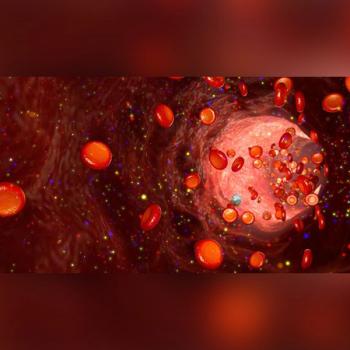
Elotuzumab plus pomalidomide, bortezomib, and dexamethasone showed tolerability in patients with relapsed or refractory multiple myeloma.

The complete response letter, issued by the FDA, does not identify what deficiencies regulators found in camrelizumab/rivoceranib for advanced HCC.

The FDA has approved neoadjuvant durvalumab plus chemotherapy followed by adjuvant durvalumab after radical cystectomy in MIBC.
Indications for 177Lu-PSMA-617 now include taxane-based chemotherapy naive adults with PSMA+ mCRPC.

Seth Eisenberg, ASN, RN, OCN, BMTCN discussed the results of a real-world trial of Splashblocker, a toilet seat cover designed to mitigate exposure to toxins.

Oncology nurses play a key role in advocating for metastasis-directed therapy in prostate cancer.

Evaluation of nemvaleukin for platinum-resistant ovarian cancer will be terminated based on OS data from an interim analysis of the phase 3 ARTISTRY-7 trial.

The safety and efficacy of dostarlimab plus chemotherapy in patients with advanced endometrial cancer were confirmed by results of a real-world study.
The FDA approved cabozantinib for use in patients with previously treated unresectable, locally advanced or metastatic, well-differentiated epNETs or pNETs.


Maintenance treatment with OSE2101 plus FOLFIRI following induction chemotherapy with FOLFIRINOX yielded promising results in patients with advanced/metastatic PDAC.

Breast cancer survivors treated with endocrine therapy alone reported better long-term physical health outcomes compared with those who received chemotherapy.

Neoadjuvant and adjuvant durvalumab plus FLOT followed by durvalumab monotherapy improved EFS for patients with resectable gastric or GEJ cancer.
TLX007-CDx was approved by the FDA for PSMA-PET scanning in adult male patients with prostate cancer with suspected metastasis or suspected recurrence.

Updated MAIA trial results reinforce the frontline benefit of daratumumab plus lenalidomide/dexamethasone in transplant-ineligible NDMM.
The FDA has approved treatment with pembrolizumab plus trastuzumab and chemotherapy for HER2+ gastric/GEJ adenocarcinoma with PD-L1 CPS of 1 or greater.

Alternating post-HCT care between specialized facilities and local cancer centers produced noninferior non-relapse mortality and similar quality of life to usual care.

Cema-cel was associated with largely durable CRs in patients with CD19 CAR T-cell therapy-naïve relapsed/refractory LBCL.
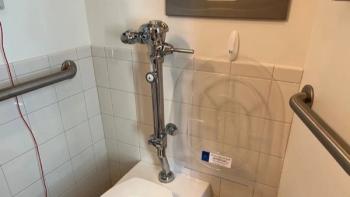
While ambient particle levels differed by HEPA filter status, Splashblocker significantly reduced particles emitted from toilet plume aerosols regardless.
