Five-week hypofractionated radiation after prostatectomy showed similar 5-year cancer control and quality of life but more grade 3 urinary toxicity.
ACCOMPANI aims to improve culturally responsive pediatric cancer care for African American families through nurse-led communication support.
A nurse-led intervention designed to better support African American families of children with cancer is being refined with input from pediatric oncology nurses to improve communication, trust and culturally responsive care.
The intervention, known as ACCOMPANI — African American Childhood Cancer Multiprong Psychosocial Nurse Intervention — was highlighted in a poster presentation titled, “Refining the Raw Prototype of ACCOMPANI: Pediatric Oncology Nurse Insights on Appropriateness, Delivery Format and Workflow Integration.” The project focuses on addressing emotional distress and disconnected health care interactions experienced by African American families during a child’s cancer treatment journey.
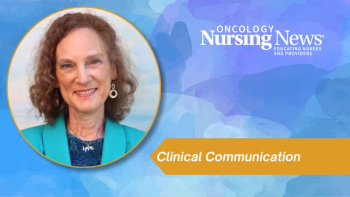
According to lead investigator Ijeoma Julie Eche-Ugwu, PhD, MPH, FNP-BC, AOCNP, CPHON, TCTCN, of Dana-Farber Cancer Institute and Harvard Medical School, the intervention was developed after recognizing that marginalized families have historically been underrepresented in pediatric psychosocial oncology research.
“We know that a lot of parents who have children diagnosed with cancer face significant distress,” Eche-Ugwu said in an interview. “It’s a family-level crisis.”
She explained that while distress among families of children with cancer is well documented, the experiences of African American families can be intensified by poor interactions with the health care system, communication barriers and unmet cultural or spiritual needs.
The research team found that African American families often experience severe anxiety and depressive symptoms throughout treatment. However, Eche-Ugwu noted that those feelings may worsen when families experience disconnected or discordant interactions with their care teams.
“The families really reported facing severe anxiety, depressive symptoms, but when they had poor interaction with the health care team, those distress symptoms got worse,” she said.
Families also described relying heavily on spirituality, religiosity and extended family support systems to navigate the emotional burden associated with a child’s diagnosis.
The poster presentation further highlighted that pediatric oncology nurses are uniquely positioned to identify psychosocial needs and connect families with supportive resources. However, nurses also identified barriers that may interfere with delivering optimal support, including limited time, competing clinical demands and discomfort engaging in serious illness conversations.
“If you put those things together in the work setting, it made it harder for them to provide the care that they would like to provide,” Eche-Ugwu explained.
A major goal of ACCOMPANI is to help nurses better understand and respond to the lived experiences of African American families during cancer care.
Eche-Ugwu emphasized that culturally responsive care does not require clinicians to know every detail of a family’s background. Instead, she said it begins with recognizing the broader historical and systemic challenges many African American families have faced within health care systems.
“I think really centering the family and understanding culture,” she said. “You don’t have to know all the details of someone’s cultural background, we have to respect where they’re coming from and understand the historical challenges that African American families faced just in general while trying to receive care from health care systems.” fileciteturn0file0
She added that acknowledging those experiences may help families feel more comfortable sharing their emotional needs, support systems and concerns throughout treatment.
The ACCOMPANI intervention includes several components designed to strengthen nurse-family relationships, including parent storytelling, web-based educational modules, communication skill-building exercises and nurse-led support sessions.
The proposed format includes 30-minute sessions delivered during nurses’ clinical shifts over a four-week period.
Eche-Ugwu said her own experiences working as a pediatric oncology nurse for nearly 20 years at Boston Children’s Hospital helped shape the intervention.
“I had a lot of families, specifically Black African American families, who were very comfortable sharing a lot of their needs and stories with me,” she said.
She explained that trust often developed through empathy, communication and a willingness to meet families where they were emotionally.
“What I’m hoping to bottle up in ACCOMPANI is that,” she said. “You don’t have to be a Black or African American nurse to provide excellent care.”
According to Eche-Ugwu, the intervention is intended to equip nurses with tools to communicate effectively, recognize family needs and connect families with additional resources when needed.
Themes identified from interviews with pediatric oncology nurses included dismantling relational challenges, improving intervention integration into clinical workflow and respecting family culture.
Illustrative quotes included in the poster emphasized the importance of empathy and trust-building in patient care.
“Hearing someone’s story has a way of breaking biases and fostering empathy,” one nurse shared in the presentation.
Another participant noted, “When families are guarded, I’d start by building trust through careful communication.”
Researchers are now working to refine how ACCOMPANI will be delivered in clinical practice. Eche-Ugwu said the next step is to continue gathering feedback from pediatric oncology nurses to ensure the intervention is practical, accessible and useful in real-world settings.
“My hope is really to go back to nurses again to help us tweak it,” she said.
If the intervention proves feasible, the research team plans to move forward with a pragmatic clinical trial to evaluate whether ACCOMPANI improves the care experience for families and supports nurses in delivering culturally responsive psychosocial care.
“The goal is to do a more pragmatic trial of ACCOMPANI if we find that it’s feasible and accessible at the bedside,” Eche-Ugwu said.