
Commentary|Videos|July 30, 2026
Addressing Ivermectin: How Oncology Nurses Can Navigate Patient Mistrust
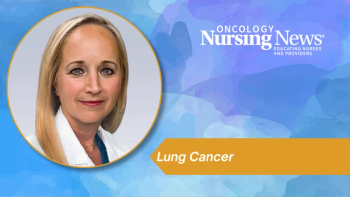
Author(s)Fumiko Chino, MD
Fumiko Chino, MD, discusses strategies for oncology nurses to address unproven treatments like ivermectin while maintaining patient trust.
Advertisement
As the oncology landscape continues to grapple with the aftermath of the COVID-19 pandemic, nursing professionals find themselves at the front lines of a persistent challenge: patient mistrust in the healthcare system.
Fumiko Chino, MD, an Associate Professor in Breast Radiation Oncology at The University of Texas MD Anderson Cancer Center, recently discussed how care teams can navigate delicate conversations regarding unproven treatments, specifically the use of ivermectin in cancer care.
Chino noted that while mistrust in healthcare has been rising for over a decade, it reached a peak during the pandemic. For oncology nurses, who often spend the most significant amount of time with patients, this trend necessitates a shift in communication strategies to ensure patient safety without damaging the therapeutic relationship.
Avoiding Patient Alienation
The primary goal during these interactions should be to maintain an open line of communication. Chino emphasized that nurses should avoid "poo-pooing" or making fun of patient questions regarding alternative treatments.
“You certainly don't want to alienate patients, but you also want to make sure that we're giving them good information and that also patients feel like their questions are being answered, and not ignored,” Chino stated.
By validating that the patient’s question has been heard, nurses can create a safe space for patients to disclose what they may be taking outside of their prescribed regimen.
The Importance of a Comprehensive History
Accurate medication histories are vital for preventing adverse drug interactions and ensuring the efficacy of oncology treatments. Chino encouraged every member of the medical team—including nursing and front-desk staff—to play a role in identifying what a patient is currently taking or even considering.
“I think the dangling thread there of course is some people might be taking ivermectin,” she noted. When these substances are identified, Chino recommends that nurses delve deeper into the patient’s motivations.
“I think it might be important to ask them why they're taking it, what their belief is in how it's going to potentially be working for them,” she added.
Correcting Misinformation with Evidence
While empathy is crucial, clinical accuracy remains the priority. Chino pointed out that there is currently no FDA-approved indication for ivermectin in the treatment of cancer. Understanding the “foundation of why people think they're taking it” allows the nurse to address specific misconceptions directly with evidence-based information.
Chino, whose research focuses heavily on patient-centered care and healthcare disparities, stressed the need for nurses to act as a bridge to the broader clinical team. She encouraged nurses to empower patients to "discuss every potential change in medication with their physician team" to ensure a unified and safe approach to care.
By combining rigorous clinical history-taking with a non-judgmental, patient-centered communication style, oncology nurses can effectively navigate the complexities of unproven treatments and maintain the trust necessary for successful cancer survivorship.
Advertisement
Related Content
Advertisement



Latest CME
















































Advertisement
Advertisement
Trending on Oncology Nursing News
1
FDA Approves Frontline Sevabertinib for HER2-Mutant Advanced NSCLC Patients
2
Advocacy and Self-Care: Emily Beard on Oncology Navigation
3
FDA Grants Final Approval to Cabozantinib Capsules Across Multiple Solid Tumor Indications
4
Personalizing Frontline ADC Selection in Metastatic Triple-Negative Breast Cancer
5