A nurse-led support program significantly reduces death anxiety in women with breast cancer on hormonal therapy, study finds.
Dr. Sonja J. Hughes discusses managing GI toxicities and the need for research regarding GLP-1 use among breast cancer patients and survivors.
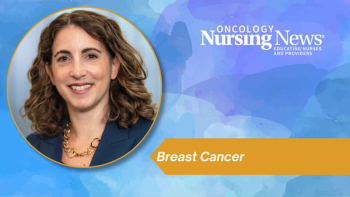
As the clinical use of GLP-1 receptor agonists continues to rise, oncology nurses are finding themselves at a new intersection of metabolic management and cancer care. Following the release of new research at the most recent ASCO annual meeting, Sonja J. Hughes, MD, Vice President of Community Health at Susan G. Komen, discussed the critical role of the nursing staff in navigating the complexities of these medications for breast cancer patients and survivors.
Oncology nurses are historically recognized for their proficiency in symptom management. However, the integration of GLP-1 therapies into a patient's regimen introduces a secondary layer of physiological challenges, most notably delayed gastric emptying and severe appetite suppression.These effects can complicate existing chemotherapy-induced toxicities, making it difficult for clinicians to distinguish between the side effects of cancer treatment and those of weight-management medications.
Because GLP-1s significantly slow digestion, the risk for nutritional deficiencies and exacerbated gastrointestinal (GI) distress increases, requiring nurses to maintain a high index of suspicion when assessing patients.
When asked for specific guidance on safely assessing and managing these overlapping GI toxicities, Hughes emphasized that while clinical protocols are still evolving, the foundation of care remains patient-provider dialogue. "It's so important for patients to communicate with their healthcare providers, number one," she stated.
She further explained that the ability to adapt care plans depends entirely on this transparency. "As we learn about more medications and their cumulative impact, then and only then can we revise or alter treatment. So, the short answer is that a patient must communicate with their healthcare provider."
For the oncology nurse, this means prioritizing patient education regarding the importance of reporting even minor changes in appetite or digestion.
Despite the growing popularity of GLP-1s, Hughes cautioned that the medical community is still in the early stages of understanding their specific impact on the breast cancer population.
"We still just don't know so much more about this medication," she admitted.
This uncertainty extends beyond oncology. According to Hughes, "Not only do we not know a lot about it in breast cancer patients, we're still learning all the side effects in diabetic patients and the impact for those patients as well as the patients who are taking a GLP-1 simply for weight loss."
The path forward relies on the rigorous collection of data and the reporting of clinical findings in professional forums. Hughes views the nursing community as a vital part of this research ecosystem. She noted that as professional journals continue to report findings, these will form the basis of clinical trials and additional outcomes of research.
Ultimately, these findings must lead to a more informed healthcare environment where information is shared transparently across the ecosystem. Hughes emphasized the necessity of "equitable distribution of the information so that all can benefit from it." By staying informed on the latest research and fostering open communication with survivors, oncology nurses can help bridge the gap between the current unknowns and the future of integrated metabolic and oncologic care.