FDA approves camizestrant for ESR1-mutated advanced breast cancer, tasking oncology nurses with guiding patients through ctDNA-based surveillance.
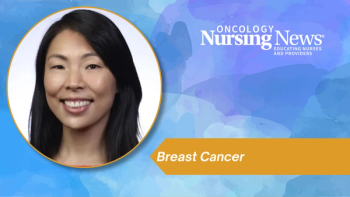
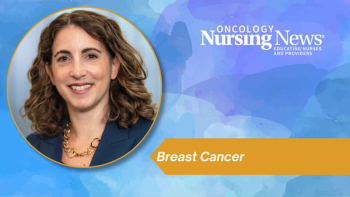
Theresa Lynne Harrington Stukus, ANPBC NP, discusses managing the influx of new breast cancer therapies and the importance of professional networking.
The field of oncology is currently defined by a dual reality: unprecedented therapeutic success and an increasingly complex clinical workload. Theresa Lynne Harrington Stukus, ANPBC NP, an oncology nurse practitioner at MedStar Georgetown University Hospital’s Lombardi Cancer Center, recently shared her perspectives on the rapid evolution of breast cancer care in an interview with Oncology Nursing News.
With a career in oncology nursing that began in the mid-1990s, Stukus has witnessed the transformation of the specialty firsthand.
The current landscape of oncology is as daunting as it is promising. "It's such an exciting field right now," Stukus remarked, noting that "there are so many advances, but there's also so much to keep up on.”
These advancements have yielded tangible results for patient outcomes; Stukus observed that clinicians have become significantly more effective at treating breast cancer, leading to longer life expectancies and enhanced quality of life for survivors.
However, the proliferation of therapeutic options introduces significant cognitive demands for practitioners. Stukus highlighted that the "number of treatment options, how to sequence them, [and] the number of different side effects from the number of different drugs" can become "overwhelming" for providers.
This complexity is compounded by the fact that while novel therapies like targeted treatments and immunotherapies are frequently introduced, older protocols remain relevant. "We still use most of our old drugs, too," Stukus explained, adding that while this provides "great treatment options," it creates "a lot to know."
In her practice at the Lombardi Cancer Center, Stukus’s clinical focus extends beyond the administration of medicine. She specializes in survivorship, health promotion, and the psychological impact of a breast cancer diagnosis. Her expertise is particularly vital in managing the side effects of modern regimens, including chemotherapy, endocrine therapy, and immunotherapy. By addressing the late effects of treatment and focusing on wellness, she provides comprehensive care that addresses the whole person, not just the malignancy.
To manage the influx of information, Stukus emphasizes the importance of lifelong learning and community engagement. She advocates for "staying up to date" through attendance at professional conferences and frequent talking with colleagues. In an era increasingly defined by digital interaction, she warned that practitioners "often don't do that [networking] enough in this new virtual world that we live in."
For Stukus, the core of professional resilience lies in shared experiences. "Sharing stories, I think, is very important," she stated, emphasizing the need for nurses to know "that they're not alone." She encouraged both new and veteran practitioners to remain inquisitive, noting that "it's good to ask questions" and that "everybody starts somewhere."
This collaborative approach ensures that despite the overwhelming volume of data, the focus remains on delivering high-quality, compassionate care to every patient.