
Adding atezolizumab to adjuvant FOLFOX halved the risk of recurrence or death in ATOMIC, with more grade 3 to 4 adverse events.
Subcutaneous mosunetuzumab wins FDA accelerated approval in patients with R/R follicular lymphoma following 2 or more lines of systemic therapy.
The FDA has granted accelerated approval to subcutaneous treatment with mosunetuzumab (Lunsumio VELO™), a CD20xCD3 bispecific antibody, for adult patients with relapsed or refractory follicular lymphoma following 2 or more lines of systemic therapy, according to information shared in a news release from Roche.
This approval was based on results from the phase 1/2 GO29781 study (NCT02500407) and the regimen has not yet been granted full approval, which may be contingent on verification and confirmation of benefit in another confirmatory trial.
These data have been submitted to other healthcare authorities around the world, according to the news release, which went on to emphasize that the European Commission recently granted conditional marketing authorization of subcutaneous mosunetuzumab for the same patient population.
“Since follicular lymphoma often requires lifelong management, reducing the burden of care for these individuals is of paramount importance,” Levi Garraway, MD, PhD, chief medical officer and Global Product Development Head of Roche, said in the news release. “With this FDA approval, treatment can now be administered in just one minute, which significantly reduces the time patients spend in the clinic and helps to align care with their individual needs and preferences.”
The primary analysis of the GO29781 study showed an objective response rate of 75% (95% CI, 64%-83%) and a complete response rate of 59% (95% CI, 48%-69%) in patients with third-line-or-later follicular lymphoma who were treated with the subcutaneous therapy. The median duration of response reached 22.4 months (95% CI, 16.8-22.8).
The most common adverse events, which occurred in at least 20% of patients, included injection site reactions, fatigue, rash, cytokine release syndrome (CRS), COVID-19 infection, musculoskeletal pain, and diarrhea. The CRS rate was 30%, and events were predominantly low grade (grade 1/2, 28%; grade 3, 2.1%). These events occurred during Cycle 1 and resolved after a median of two days (range, 1-15).
GO29781 is a multi-center, open-label, dose-escalation and expansion study designed to assess the safety, efficacy, and pharmacokinetics of mosunetuzumab delivered as both intravenous (IV) and subcutaneous therapy in relapsed or refractory B-cell non-Hodgkin lymphoma. The efficacy of the subcutaneous formulation was demonstrated through objective response rate and duration of response.
Roche highlights optimized treatment times with subcutaneous therapy, with shorter administration times, enabling clinicians to tailor treatment to individual clinical needs and personal preferences
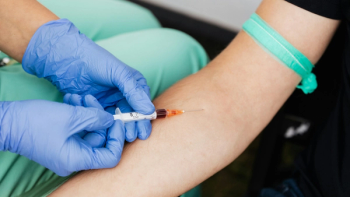
Subcutaneous mosunetuzumab delivers treatment through an approximately 1-minute injection compared with prior 2-to-4-hour standard therapy. Similar to IV mosunetuzumab, subcutaneous therapy is administered in the outpatient setting and follows a fixed-duration schedule over a set timeframe. In contrast, treat-to-progression approaches are intended to continue indefinitely until disease progression or treatment intolerance.
IV mosunetuzumab was the first bispecific antibody to receive approval for third-line treatment and beyond for patients with follicular lymphoma. Long-term findings from both the subcutaneous and IV cohorts of GO29781 were presented at the 67th ASH Annual Meeting and Exposition.
“This approval is a significant step in broadening access to effective treatments for people living with follicular lymphoma,” said Dr Ian Flinn, MD, PhD, of Tennessee Oncology and One Oncology. “With its manageable cytokine release syndrome profile and reduced administration time, [subcutaneous mosunetuzumab] enables oncologists to deliver advanced care in community practice settings.”
Roche is continuing to evaluate treatment with subcutaneous mosunetuzumab in earlier treatment settings, the news release concluded. Trials like phase 3 SUNMO (NCT05171647), which is evaluating subcutaneous mosunetuzumab plus polatuzumab vedotin-piiq (Polivy) in second-line or later large B-cell lymphoma, and phase 2 MorningLyte study (NCT04792502), which is assessing subcutaneous mosunetuzumab with lenalidomide in previously untreated follicular lymphoma, are ongoing.