
The approval in stage II/III MSI-H/dMMR rectal cancer rests on AZUR-1, in which 71% of patients needed no treatment beyond dostarlimab.
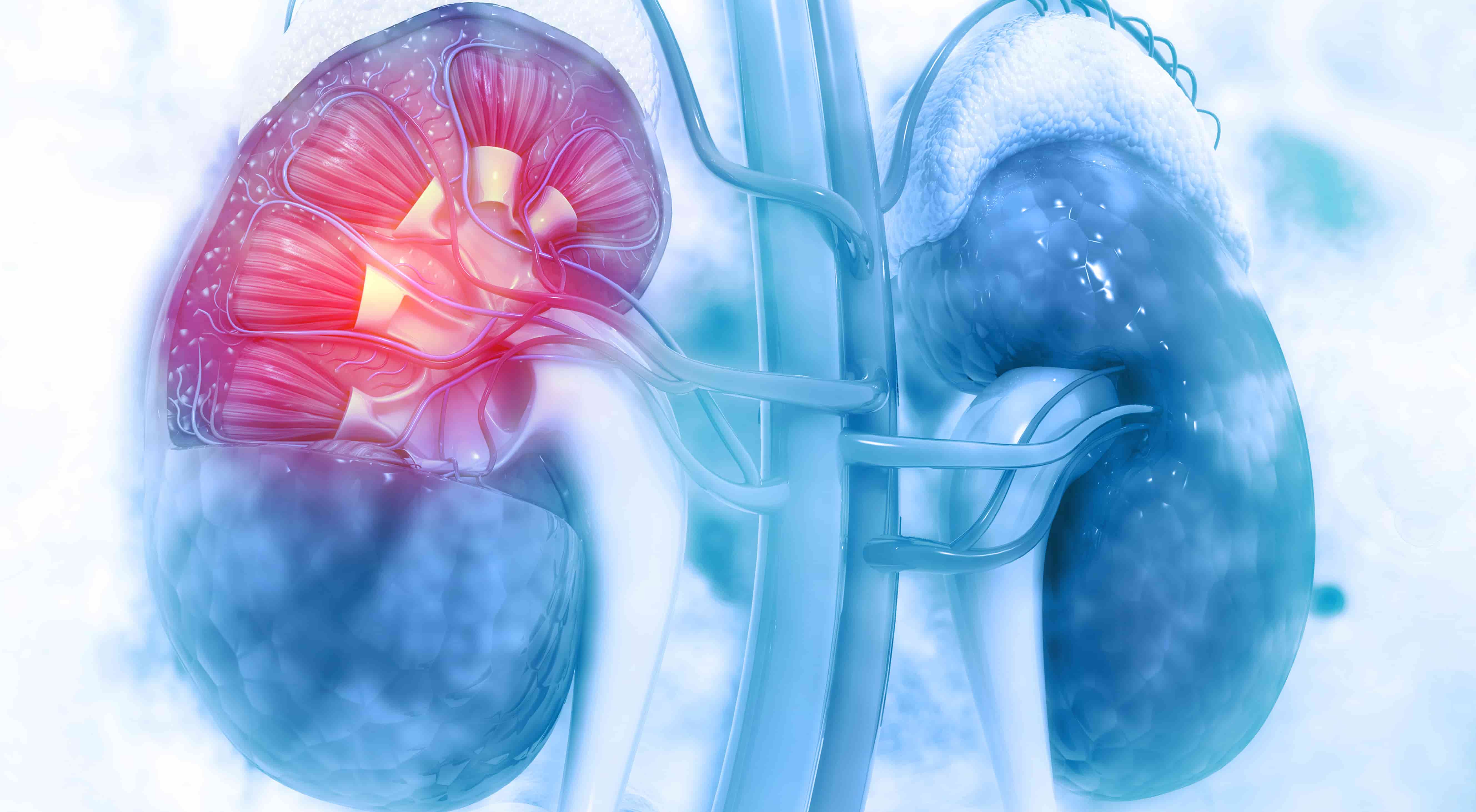
Margarita Huober, AGNP, AOCNP, explains that understanding a patient on an individual level leads to more informed care decisions in RCC.
As the renal cell carcinoma (RCC) treatment landscape shifts to more personalized and combinatorial approaches, advanced practice providers (APPs) are key to the safety of patients receiving tyrosine kinase inhibitors (TKIs), according to Margarita Huober, AGNP, AOCNP.
After moderating a Community Case Forum, Huober, a urologic medical oncology nurse practitioner at Stanford Health Care in San Francisco, California, explained in an interview with Oncology Nursing News that TKIs are often the next step for patients who have progressed on immunotherapy. However, with TKIs come adverse effects such as hypertension, gastrointestinal (GI) issues, and hand-foot syndrome.
APPs are crucial to ensuring patients understand what they are experiencing by getting to know the patients and educating them on what to expect. When APPs understand what’s normal for a patient, they can help decode what’s not normal for them as well—and when treatment may be too aggressive for the patient.
Huober: We don’t usually use immunotherapy for patients who previously progressed on immunotherapy. Let’s say we give them ipilimumab (Yervoy) and nivolumab (Opdivo), and then they have disease progression. In that case, don’t rechallenge them with another immunotherapy. There is no evidence that supports that.… We usually use other TKIs. We have several TKIs that we can use for patients who progress on immunotherapy.
Tivozanib (Fotivda) and axitinib (Inlyta) are milder TKIs that patients usually tolerate better. If we want to be more aggressive, we can use the lenvatinib (Lenvima) and everolimus (Afinitor) combination. It’s a little more toxic, but it’s better for controlling more aggressive disease, or for patients who have larger tumors and whose disease we have difficulty controlling.
Cabozantinib (Cabometyx) is an excellent choice, as well, but it is also a little bit harder to tolerate for patients a lot of times. It is a good choice for patients who have, for example, bone metastases, and if we’re trying to control that, [cabozantinib is] an excellent option.
All TKIs have a variety of toxicities; the big one is hypertension. We always need to assess patients’ blood pressure prior to starting therapy, after they finish, and during therapy. We usually try to control blood pressure, and we prescribe antihypertensives to help control it. I refer to cardiology when we cannot control blood pressure with 1 to 2 agents. In those instances, I usually ask for help from our cardiology colleagues.
Other big things that we see with TKIs are some GI issues: diarrhea and nausea. Those can usually be controlled with [prednisone] and loperamide (Imodium) or antinausea medications such as ondansetron (Zofran). Fatigue, of course, is prevalent in all of them. Patients experience a degree of fatigue.
Hand-foot syndrome is another potential issue. It’s important to get ahead of it and provide education for patients and explain what [hand-foot syndrome] means. I have seen instances where patients were not sure [what their symptoms represented] and thought it was just a shoe making their foot very red…but it was the medication. Hand-foot syndrome requires a lot of supportive care, urea, and cream. We do dose interruptions for more severe cases.
Proteinuria is common with the lenvatinib and everolimus combination. As part of our practice, we will always check patients’ urine to make sure they’re not having proteinuria.
The main takeaway is always to have a discussion with the patient. We always need to make sure: Are we meeting their goals? Are we being too aggressive? Is this medication making their life more difficult? Are they able to do things that they enjoy doing? Is the degree of fatigue so great that they cannot even leave their house? We can scale down and pick a different TKI or give them a treatment break.
As APPs, we are the forefront of shared discussion. Don’t forget to ask your patient about how they feel and learn about them as a human and their day-to-day [routine.] It will really help to decipher if they’re truly tolerating the medication or if they’re having a really hard time.
This transcript has been edited for clarity and conciseness.