

Ponsegromab increased body weight in patients with cancer-associated cachexia, yielding greater improvement in those who received ponsegromab previously.
Ponsegromab increased body weight in patients with cancer-associated cachexia, yielding greater improvement in those who received ponsegromab previously.
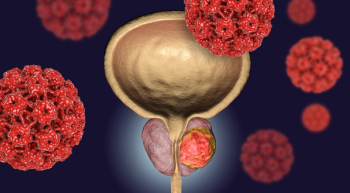
Patient-reported outcomes showed that health-related QOL stayed at baseline for patients with HRRM-positive mHSPC receiving a niraparib regimen.
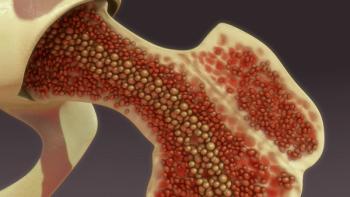
Chemo-induced myelosuppression can affect patients’ ability to do daily tasks, and management varies by patient, treatment regimens, locations, and more.

On this episode of Onc Nurse On Call, Kristin Daly, MSN, ANP-BC, AOCNP, discusses practical cancer care strategies in the age of immunotherapy.

Learn the critical factors in determining prophylaxis for venous thromboembolism, a frequent and serious complication for patients with cancer.

In the phase 3 SURPASS-ET trial, ropeginterferon alfa-2b outperformed anagrelide as second-line therapy for high-risk essential thrombocythemia.

Heather J. Jackson, PhD, APRN, FNP-BC, NEA-BC, FAA-NP, shared a review of supportive oncology practices at the 2025 School of Nursing Oncology.

An LED-based intraoral device for photobiomodulation therapy was safe and reduced severe oral mucositis in patients with head and neck cancers.

The REMS program for vandetanib in the treatment of patients with medullary thyroid cancer has been removed by the FDA.

Michelle Kirschner, MSN, RN, ACNP, APRN-BC, discusses precision supportive care and tailored survivorship strategies in an ONN interview.

At SOHO 2025, Lorenzo Falchi, MD, highlighted the critical role of nurses in monitoring and educating patients on toxicities from novel lymphoma therapies.

Michelle Kirschner, MSN, RN, ACNP, APRN-BC, discusses how precision supportive care tailors interventions to patient needs.
Benjamin Besse, MD, PhD, shares AE management strategies for amivantamab/lazertinib in EGFR-positive NSCLC following CHRYSALIS-2 results.

Read an advanced practice nurse's tips for treating patients with endometrial cancer with durvalumab.

Tepotinib was associated with frequent but manageable adverse events in MET exon 14–positive NSCLC, with peripheral edema most common.
Ghayas C. Issa, MD, MS, discusses key adverse events of menin inhibitors in NPM1-mutated and KMT2Ar AML.

Expert Kelsey Martin shares nursing insights on balancing glucose control and GI side effects when caring for patients on PI3K and AKT inhibitors.

Lisa Hwa Christenson, DNP, CNP, FAPO, shares best practices for monitoring CRS and ICANS with BCMA bispecific antibodies in community oncology.

The role of nurses and APPs is crucial to ensuring patients with cancer can receive newer therapies, shares David A. Braun, MD, PhD.

Survey results show patients may overestimate dermatologic AEs from anti-cancer therapies, raising concerns for treatment adherence.

Nurse practitioner Beth Faiman shares strategies to reduce infection risk in patients receiving bispecific antibodies for multiple myeloma.

Catering supportive care to the individual being treated helps better meet the needs of each patient, says Michelle Kirschner, MSN, RN, ACNP, APRN-BC.
CRS is a common but manageable toxicity of CAR T-cell therapy and bispecific antibodies. Learn strategies to identify and manage this adverse effect.

Paolo Tarantino, MD, PhD, discusses ADC structure, toxicity, and nursing consideration for the treatment of patients with breast cancer.
Nurse practitioner Beth Faiman outlines nursing strategies to monitor, assess, and manage toxicities associated with talquetamab in multiple myeloma.

A nurse-led clinic to aid in patient-reported symptom burden had high patient satisfaction.

Melissa Rikal, MSN, FNP-BC, AOCNP, explained that adverse effects are common among the available antibody-drug conjugates in breast cancer.

Oncology nurses play a key role in monitoring, managing, and personalizing CDK4/6 inhibitor treatment to minimize toxicities and protect quality of life, according to Courtney Moore, APRN, FNP-C, OCN.
Experts outline AE risks—including ICANS, CRS, HLH—as T-cell engager use expands, highlighting the crucial role of nurses and APPs.