
Natalia Neparidze, MD, discusses subcutaneous daratumumab safety, MRD as a clinical endpoint, and emerging therapies for multiple myeloma management.
Natalia Neparidze, MD, discusses subcutaneous daratumumab safety, MRD as a clinical endpoint, and emerging therapies for multiple myeloma management.

Research presented at the APOS Conference demonstrated negative beliefs in parents and caregivers of pediatric patients with cancer.

A physician, physician assistant, and nurse practitioner share perspectives on integrative medicine in oncology.

Patients younger than 40 experience higher rates of CINV and more commonly use marijuana, diet changes, and other methods to manage symptoms.

Radiation-induced heart damage in breast cancer is a growing clinical concern, yet biomarkers and preventive therapies remain lacking.

Mark S. Lin, MSN, FNP-BC, highlighted nursing considerations for breast reconstruction surgery in breast cancer.
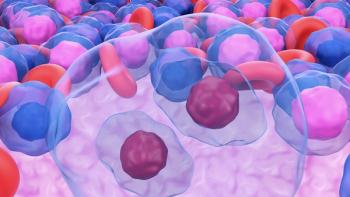
Tazemetostat has been withdrawn from the market for all approved indications following safety data conveying secondary hematologic malignancy risk.

Samantha Shenoy, NP, MSN, provides nursing guidance on teclistamab/subcutaneous daratumumab’s second-line approval in multiple myeloma.

A real-world study found rates of toxicity-related T-DXd discontinuation in HER2-low metastatic breast cancer similar to those observed in DESTINY-Breast04.
Antonio Ocejo, MD, discusses supportive care implications from new data comparing ipilimumab/nivolumab in older vs younger age groups with mccRCC.

Explore safety and efficacy findings from KEYNOTE-B15/EV-304, LITESPARK-011, and more from the ASCO Genitourinary Cancers Symposium.
With the addition of pembrolizumab to standard androgen deprivation therapy and radiation, immune-related adverse events are more likely.

ONS is developing a collection of photos of dermatologic toxicities across skin types to address disparities in the care of patients of color with cancer.

Emese Zsiros, MD, PhD, FACOG, discusses managing paclitaxel toxicity and the role of pembrolizumab maintenance in treating platinum-resistant ovarian cancer.

David C. Leopold, MD, explains how evidence-based integrative therapies like acupuncture and nutrition improve oncology patient outcomes and compliance.
Practical examples of advanced practice provider–led initiatives that improve safety, symptom management, and patient outcomes.
Margarita Huober, AGNP, AOCNP, explains that understanding a patient on an individual level leads to more informed care decisions in RCC.
Expert advice for administering and monitoring liso-cel in patients with follicular lymphoma.

The microbiota-based therapy MaaT013 showed promising efficacy and manageable safety in those with acute GVHD with gastrointestinal involvement.

Oncology nurses and APPs are key players in patient education on precision medicine.
Lillian Rodich, PA-C, MPH, discusses how integrative oncology can give patients practical strategies for managing symptoms, regardless of financial barriers.

Emily Shelby, MSN, FNP-C, emphasized that referrals to other specialties is key to managing heavily pretreated patients with metastatic colorectal cancer.
Here are 5 presentations that oncology APPs should know about, from patient management to practice management.
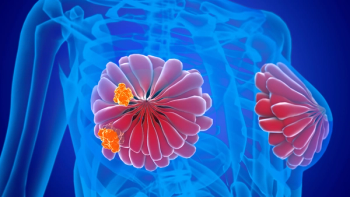
Kristi Orbaugh, MSN, RNP, AOCN, AOCNP, shared the key toxicities of each CDK4/6 inhibitor and how to monitor for them.

Laura J. Zitella, MS, RN, ACNP-BC, AOCN, explains that later cytopenias should be monitored in patients undergoing CAR T-cell therapy.

Supervised physical activity, while feasible, was not shown to affect quality of life or fatigue in patients with metastatic cancer.

Dermatitis and lymphedema are among the most pertinent adverse effects of radiation to the breast, according to Alexa M. Lantz, MSPAS, PA-C.

La-Urshalar Brock, FNP-BC, CNM, describes tactics for managing dermatologic AEs in patients with breast cancer as part of a multidisciplinary care team.
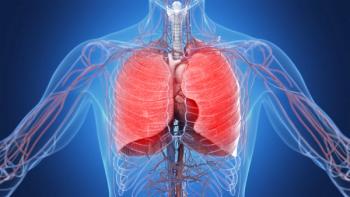
Data from a large prospective study identified male and older patients as being more likely to develop CIP and 34% of cases to become chronic.

A preliminary analysis of a prospective study of patients with solid tumors identified subgroups at risk of depressive symptoms via patient-report outcomes.