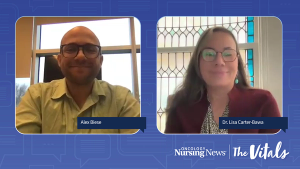

Beth Faiman, PhD, and Sikander Ailawadhi, MD, discuss clinic workflows, safety checks, and at-home dosing potential for on-body isatuximab.
Beth Faiman, PhD, and Sikander Ailawadhi, MD, discuss clinic workflows, safety checks, and at-home dosing potential for on-body isatuximab.
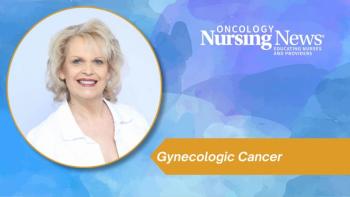
For Gynecologic Cancer Awareness Month, Amy Schultz, RN, details symptom identification, barrier mitigation, and caregiver support in oncology care.

Oncology nurse April Fowler shares her personal stage 4 cancer journey, reflecting on clinical empathy, patient advocacy, and oncology endurance.

Dr. Jason Konner discusses psilocybin, clinician burnout, CIPN prevention, and safety protocols for oncology nurses and care teams in cancer care.
Beth Faiman, PhD, and Sikander Ailawadhi, MD, discuss clinical trials and nursing impacts of on-body isatuximab delivery in multiple myeloma.

Yesne Alici, MD, of Memorial Sloan Kettering Cancer Center discusses key delirium screening, patient capacity, and bioethics in oncology nursing care.

Erik Bengtsen, MD, of Memorial Sloan Kettering Cancer Center, discusses psilocybin research, demoralization, and psychopharmacology in oncology care.
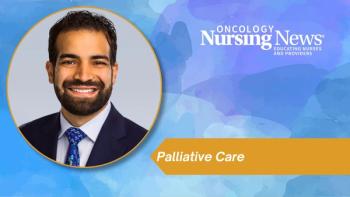
Ramy Sedhom, MD, of Penn Medicine Princeton Health discusses blending palliative care with psycho-oncology to treat patient distress in oncology care.

At WCLC 2026, Kaitlyn Gregory details key oncology nursing insights into exercise, caregiver stress, screening models, and APP-led supportive care.

For Gynecologic Cancer Awareness Month, Dr. Eleonora Teplinsky outlines emerging treatment toxicities, patient advocacy, and health equity.
Gigi Jameel, APRN, discusses supportive care interventions, ADT toxicity management, and team collaboration in prostate cancer care.
ASTRO updated its pancreatic cancer radiation guideline. Dr Michael Chuong shares direct takeaways on nursing roles in multidisciplinary care.

The FDA expands accelerated approval for sevabertinib to frontline HER2-mutant NSCLC, highlighting a need for vigilant nursing management of diarrhea.

Stephanie Sorrentino, BSN, OCN, discusses operational strategies, toxicity management, and patient education in frontline multiple myeloma care.

Oncology nursing teams must navigate the clinical logistics and patient education for the newly approved, ctDNA-guided agent camizestrant.
Beth Sandy, CRNP, of Penn Medicine discusses therapeutic advances in thoracic oncology, toxicity management, and overcoming financial barriers.

Oncology nursing guide to the FDA approval of zanidatamab-hrii for HER2+ gastroesophageal cancers, featuring insights from Joe Chichioco, RN, MPH.

Experts share critical clinical protocols for managing daraxonrasib (Rasonque) following its landmark FDA approval.
Surbhi Sidana, MD, discusses how the FDA-approved oral CELMoD iberdomide expands access and impacts nursing care in multiple myeloma.

Sarah Cannon's Kelsey Martin, APRN, AOCNP, discusses managing toxicities, nursing collaboration, and tailored treatment sequencing in frontline mTNBC.
Alanna Iorio, APRN-C, OCN, discusses managing toxicities, educating patients, and professional growth in triple-negative breast cancer care
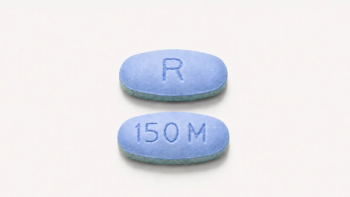
The FDA has approved daraxonrasib for metastatic pancreatic cancer. MSK's Mary Larsen, MSN, RN, OCN, shares essential nursing protocols for care.

Experts at the 2026 APAO Symposium highlighted patient education, clinical trial updates, and professional development in cancer care.

Learn how oncology nurses can leverage clinical strategies, baseline testing, and targeted referrals to optimize patient vitamin D during treatment.
Emily M. Beard, BSN, RN, OCN, CBCN, BHCN, discusses the vital role of oncology nurse navigation in addressing barriers to care and improving outcomes in cancer survivorship.
Theresa Lynne Harrington Stukus, ANPBC NP, discusses patient compliance, side effect management, and screening anxiety in breast cancer care.

Michelle Mollica, PhD, RN, discusses training oncology nurses to manage information overload and guide patients post-diagnosis.

As ivermectin interest surges via social media, oncology nurses must balance empathetic communication with evidence-based safety and clinical caution.
Oncology nurses discuss managing lung cancer as a chronic disease, addressing long-term symptoms, financial toxicity, and psychosocial care.
Experts explore the clinical promise, nursing implications, and access barriers of GLP-1s in cancer care.

October 26th 2023