

An oncology nurse's experience with her mother's cancer and her own BRCA2 diagnosis shapes her approach to patient care.
An oncology nurse's experience with her mother's cancer and her own BRCA2 diagnosis shapes her approach to patient care.

Assisted reproductive techniques may be safe for patients with BRCA-mutated breast cancer, according to an ESMO study.

For oncology nurses, it is important to advocate for patients and families through ongoing assessments for caregiver burden, financial toxicity, and effective communication that lead to poor decision-making.

Patients with advanced non-small cell lung cancer who received palliative care via telehealth had similar improvements in quality of life as those who received the care through in-person visits.
The newly appointed president of the Oncology Nursing Society (ONS) discussed healthcare policies that she and ONS will continue to advocate for in the cancer space.

An expert explained the importance of having strong communication skills not only for all patients with cancer, but especially for those who received a terminal diagnosis.
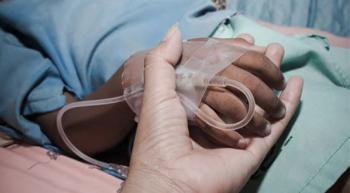
Nurses can help promote a feeling of dignity in older patients with cancer by monitoring psychological distress.

Oncology nurses can bring creative art to their pediatric patients with cancer, thereby potentially reducing their anxiety levels, research showed.
The 3 fundamental coping mechanisms patients should have embedded into their care plan are self-compassion, gratitude, and kindness.

Christina M. Wilson, PhD, CRNP, WHNP-BC, shares how providers can help their patients feel empowered during their treatment.

Finding ways to prevent and manage stress may be key to optimizing clinical outcomes in oncology.

The FDA has approved nirogacestat as a treatment for adults with progressing desmoid tumors based off findings from the phase 3 DeFi trial.

Electronic patient-reported outcomes may have a place in high-quality cancer care, according to investigators.

Melanie Taylor, APRN, and Mark Lin, APRN, share how they optimize strategies in caring for patients with lymphedema.

Proper counseling is needed to help decrease fertility-related psychological distress in adolescent/young adult cancer survivors.
Like patients, caregivers need education and support, but are often forgotten or unheard.

Patients who were in the intervention arm were 67% less likely to go to the emergency department in the last days of their life.

Incorporating frailty screenings into preexisting workflows may be an effective way to provide more holistic care to patients with head and neck cancer.

Investigators reflect on the Oncology Care Model and its implications.

An initiative led by nurses helped reduce operating-room pressure injuries and saved their institution an estimated $80,210 per year.

Receiving a breast cancer diagnosis and undergoing treatment as a young adult takes a physical and emotional toll.

Many Americans with health insurance are not fully covered for frontline procedures to treat lymphedema—a debilitating condition that often affects patients with cancer.

Noël Arring, PhD, DNP, RN, and Debra L. Barton, PhD, RN, FAAN, FASCO, discuss clinical strategies to address sexual dysfunction in female cancer survivors.

Cervical cancer survivors who regularly engage in sex or use vaginal dilators report lower levels of vaginal shortening.
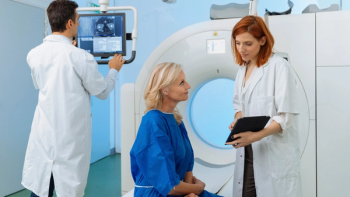
Using diagnostic CT scans to create palliation plans may save time and improve the patient experience.

Stephanie Russell, DNP, AGNP-C, highlights the importance of gender-neutral language in the oncology environment.

Lynda Balneaves, RN, PhD, provides insights into the new SIO/ASCO guidelines that support mindfulness-based interventions for patients with cancer.

Heather Santone breaks down some of the barriers that geriatric patients with cancer face—and how nurse navigators can help them overcome these obstacles.

Lorazepam was associated with worse survival outcomes for patients with pancreatic cancer, while alprazolam was associated with improved outcomes.

Linda Bloom, MPA, RN, OCN, explains how amplifiers and audio interpreter tablets can be vital resources during cancer care.