

Opinion|Videos|September 2, 2026
Weighing Early Toxicity Against Long-Term Survival Benefit
Author(s)Amanda Edmond, PA-C
First-line amivantamab+lazertinib may rewire EGFR-mutant NSCLC, curb resistance, and boost survival—plus proactive clinic management tips.
Advertisement
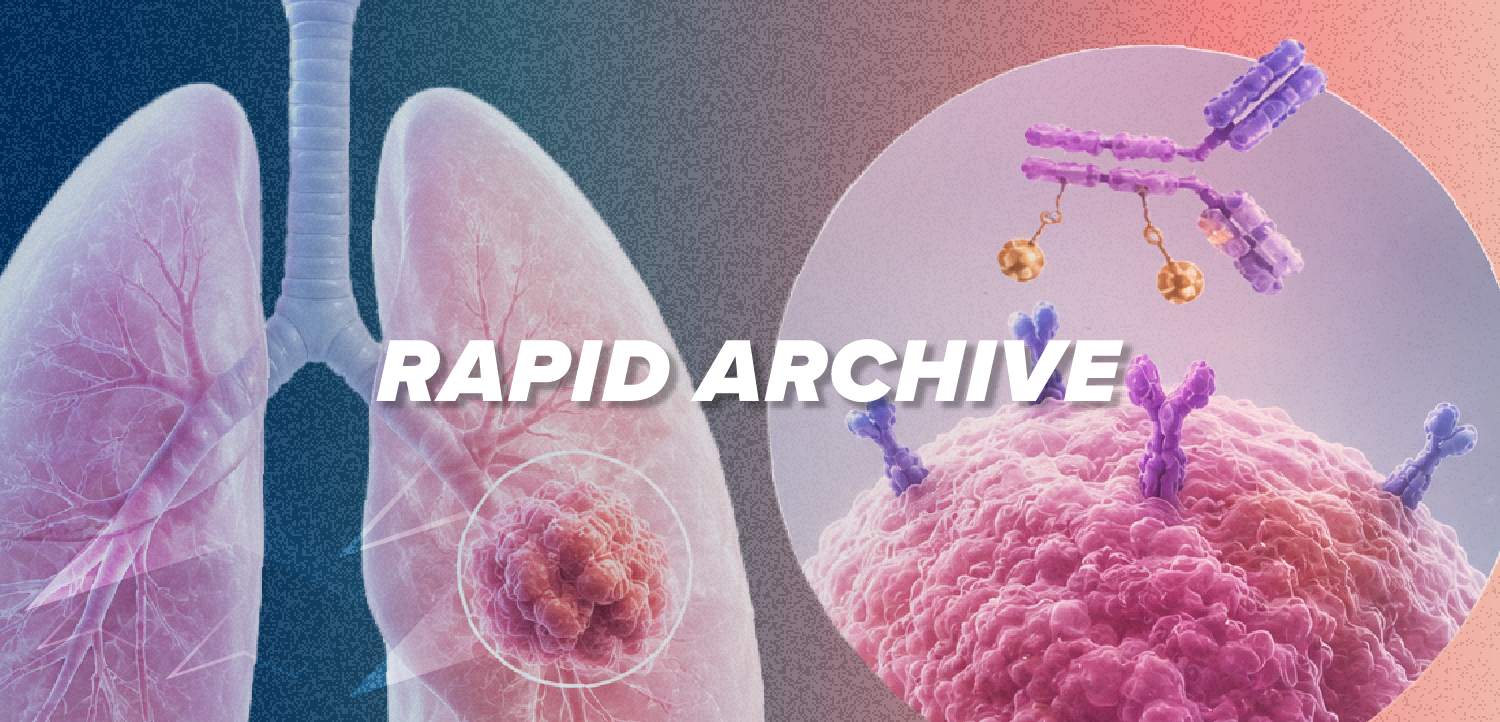
Amanda Edmond, PA-C, of Banner MD Anderson Cancer Center at Banner Gateway Medical Center, closes this discussion on why first-line selection carries so much weight in EGFR-mutated non-small cell lung cancer. Between 25% and 40% of patients never go on to receive a second line of therapy, and she believes amivantamab plus lazertinib changes the biology of the disease, producing less acquired MET amplification and fewer secondary EGFR mutations, which was reflected in MARIPOSA. Weighing a harder early adjustment period against that benefit is an ongoing, individualized conversation, she says, with no one-size-fits-all answer in an era of precision medicine. Her takeaway for other advanced practice providers is that the regimen can seem labor intensive upfront, but proactive strategies let patients help themselves, and the median overall survival benefit, projected to exceed 4 years in MARIPOSA, has still not been reached, which matters to younger patients who want more time.
Advertisement
Related Content


Latest CME







































Advertisement
Advertisement
Trending on Oncology Nursing News
1
ASCO Releases First Living Guideline for Recurrent Ovarian Cancer Care
2
FDA Approves Rusfertide, First-in-Class Hepcidin Mimetic for Polycythemia Vera
3
Managing Daraxonrasib: Key Takeaways and Efficacy Insights for Oncology Nurses
4
Depression, Stress, May Drive Breast Cancer Survivor Fatigue
5