

New research finds younger generations age faster biologically, increasing risks for early-onset lung, colorectal, and other solid tumor cancers.
New research finds younger generations age faster biologically, increasing risks for early-onset lung, colorectal, and other solid tumor cancers.

Oncology nurse Diane Stanaway offers essential sun protection strategies as NJ prepares for the heat of the 2026 World Cup and rising skin cancer rates.

The FDA approved the BESREMi Pen for polycythemia vera, offering a simplified self-administration option to improve patient adherence and care.
Rita M. Jakubowski, NP, explains how multidisciplinary age-friendly assessments and the CHARM study improve outcomes for older transplant patients.

Dr. Sonja J. Hughes discusses managing GI toxicities and the need for research regarding GLP-1 use among breast cancer patients and survivors.

Diane Stanaway, MSN, RN, highlights the importance of long-term skin protection for oncology patients during high-exposure events like the World Cup.
FDA approves sacituzumab govitecan-hziy as monotherapy and with pembrolizumab for first-line treatment of advanced triple-negative breast cancer.
The FDA approved palbociclib (Ibrance) for maintenance in HR+/HER2+ metastatic breast cancer after induction therapy, based on the PATINA trial.

Dr. Sriram Machineni explains why GLP-1 medications help manage cardiovascular health and inflammation in breast cancer survivorship.

Christina Klawitter explores the evolving role of oncology research nurses, highlighting the importance of pre-planning and interdisciplinary teamwork.

Teddi Mellencamp highlights the vital bond and advocacy of oncology nurses during the 2026 Extraordinary Healer awards ceremony in San Antonio.
Christina Klawitter, MSN, RN, OCN, discusses how meticulous pre-planning and team delegation optimize safety and patient care in clinical trials.
Dr. Morvarid Rezaie discusses how oncology nurses can leverage medical cannabis to address polypharmacy and enhance opioid synergy for symptom control.
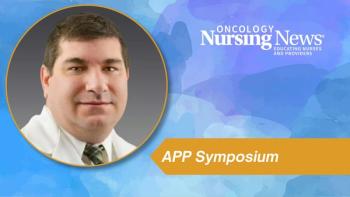
Dan Silver, PA-C, discusses the importance of early intervention in penile rehabilitation and the APP’s role as a partner in prostate cancer recovery.

ASCO warns oncology nurses of the risks of ivermectin and fenbendazole, urging proactive patient communication and monitoring of alternative therapies.

MSK researchers report that daraxonrasib, a breakthrough KRAS-targeted drug, nearly doubles survival time and improves quality of life for patients.

ASCO 2026 data show daraxonrasib doubles survival in pancreatic cancer. MSK’s Mary Larsen discusses oral adherence and managing signature side effects.

Susan Rux, PhD, discusses why new nurses leave oncology and how improved communication and teamwork can stabilize the healthcare workforce.

CIBMTR data shows manageable toxicity and outpatient potential for liso-cel in R/R MCL, emphasizing the vital role of nursing vigilance and education.
Dan Silver, PA-C, discusses proactive strategies for managing treatment-related erectile dysfunction and penile rehabilitation in prostate cancer.

A European survey at EHA 2026 finds nurses central to multiple myeloma care but facing training gaps and severe shortages that limit patient outcomes.
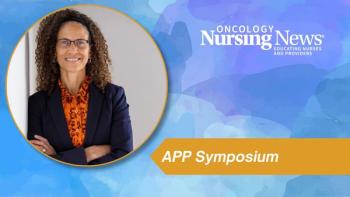
Deanna Lewis, PA-C, explores how reframing communication as clinical infrastructure fosters trust, psychological safety, and innovation in oncology.

Kilan C. Ashad-Bishop details how chronic heat impacts oncology treatment adherence, hydration, and financial security for patients.
FDA approves capivasertib with abiraterone for PTEN-deficient mAPMN/S prostate cancer, requiring specific nursing education on intermittent dosing.
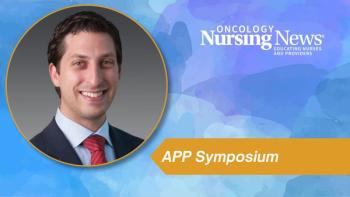
Explore how ctDNA and AI algorithms are optimizing bladder cancer treatment and managing BCG shortages, as discussed at OneOncology APP Symposium.
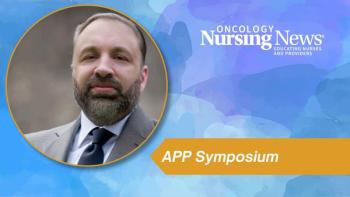
Larry Bilbrey of Tennessee Oncology explains how AI scribes reduce documentation burden and burnout while improving patient-provider engagement.
FDA approved belzutifan plus pembrolizumab for adjuvant clear cell renal cell carcinoma at high risk of recurrence following nephrectomy.
Michael Adashek, DO, explores why oncology providers must prioritize cascade testing to protect patients’ families from hereditary cancer risks.

Celebrating 25 years, Dana-Farber’s Cantor Center integrates oncology nursing science into clinical practice to improve patient quality of life.

New research finds extreme heat causes cancer patients to skip appointments and reduce activity, highlighting a need for clinical heat-risk planning.