
The treatment landscape of ovarian cancer continues to change with the recent approvals of new agents.
The treatment landscape of ovarian cancer continues to change with the recent approvals of new agents.

For women with ovarian cancer, the message is clear: participating in clinical trials, even early-phase ones, offers the best hope for better treatments, but efforts are urgently needed at every level to ensure that more of these research opportunities are available.

In August, Physician's Education Resource®, LLC will be sponsoring the 1st Annual School of Nursing OncologyTM (SONO) where nurses can earn 10.25 Contact Hours.

The novel psychological intervention, called CALM, has been shown to alleviate the distress of patients with advanced cancer.

According to findings reported at ASCO 2017, patients receiving treatment for metastatic cancer who used a web-based tool to report their symptoms lived on average 5 months longer.
What kind of nursing interventions do grieving families want in the acute care setting? Answers may be found in the neonatal intensive care unit.

Eating tree nuts may improve overall survival and reduce the risk of recurrence in patients with colon cancer.

A group of nurses at Froedtert Hospital developed a study to evaluate the use of aromatherapy to relieve symptoms in patients undergoing blood and marrow transplant.
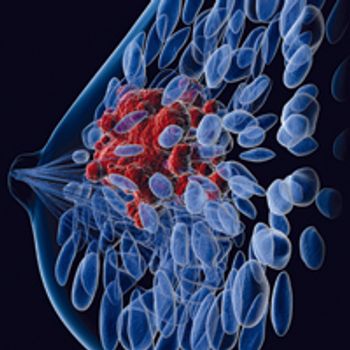
The FDA has approved the co-packaging of oral medication ribociclib and letrozole, used to treat HR-positive, HER2-negative advanced breast cancer in postmenopausal women.


As presented at the 2017 ONS Annual Congress, nurses at Cancer Treatment Centers of America at Eastern Medical Center developed an emergency supply box for the occurrence of hypersensitivity reactions during cancer therapy infusions.

As presented at the 2017 ONS Annual Congress, nurses at Fox Chase Cancer Centers developed a process to improve their transition from inpatient to outpatient.
Nurses at Smilow Cancer Hospital leveraged their electronic medical record system to improve care and management of patients receiving immunotherapies.

As presented at the 2017 Oncology Nursing Society Annual Congress, nurses at Johns Hopkins Hospital developed a plan to reduce the patient's waiting time in the infusion chair.
The ever-growing number of cancer survivors means that practitioners across the healthcare spectrum need to step up to an active and dynamic role in their care.

Sixteen percent of patients with metastatic non-small cell lung cancer (NSCLC) receiving nivolumab survived after 5 years.

For patients with glioblastoma multiforme (GBM), tumor treating fields (TTFields) reduced the risk of death by 37% and extended overall survival by a median of 5 months.
Brain cancer research is progressing, but for patients with glioblastoma multiforme (GBM) and their caregivers, compassionate, intensive support is paramount.
Bullying and lateral violence can destroy culture faster than anything else, and not just in healthcare.
Survivors of endometrial cancer are at higher risk for long-term cardiovascular problems such as phlebitis, thrombophlebitis, pulmonary heart disease, hypotension and atrial fibrillation.

For the distress and depression that patients with head and neck cancer can experience, a gradual or "stepped" approach can help to improve quality of life and reduce costs.
Cancer-related pain is among the most common and difficult symptoms patients confront. Assessing and managing it is also challenging for healthcare practitioners, but asking patients the right questions can help.
Some patients with metastatic rena cell carcinoma (mRCC) exhibited sustained responses even up to 6 months of being off the immunotherapy treatment.
New treatments for this common side effect are making a big difference, and patients should no longer suffer in silence.

Despite peripheral neuropathy associated with brentuximab vedotin in patients with lymphoma, patients believe the better outcomes are worth the risk of neuropathy.

According to a recent survey, most patients with lung cancer are willing to undergo additional biopsies if they have a grasp on how and why it could help them.
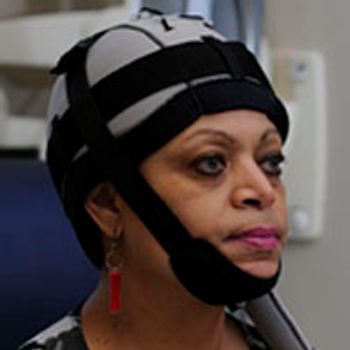
Modern scalp-cooling system is safe and effective in reducing hair loss in women being treated with chemotherapy for their breast cancer, especially for those on taxane-based regimens.

Five-year follow-up on ibrutinib (Imbruvica) shows efficacy and safety for patients with chronic lymphocytic leukemia/small lymphocytic lymphoma (CLL/SLL), with 89% of both treatment-naïve (TN) and relapsed patients experiencing a complete or partial response to the therapy.

Bonnie J. Addario Lung Cancer Foundation and American Lung Associate have teamed up to create a lung Cancer Registry to connect patients with lung cancer with opportunities to support research and engage with others in the community.

Aside from the approved nivolumab, other immunotherapy combinations are being considered for Hodgkin lymphoma.

February 12th 2015