Articles by Lauren M. Green

Laurel Northouse's interest in supporting the family caregivers of patients with cancer began nearly four decades ago when the young BSN graduate became a caregiver herself at the age of 27, following her husband's diagnosis of Stage IV Hodgkin's Disease

The "renaissance in immunology" is already affecting treatment paradigms for a variety of gynecologic cancers, and the impact is only likely to expand
The FDA's approval in 2010 of sipuleucel-T (Provenge) marked a milestone in the treatment of men with advanced prostate cancer and ushered in an exciting new immunotherapeutic treatment approach.
Without question, one of the most important benefits of healthcare social media engagement for oncology practitioners is the opportunity to gain broader insights into how patients and their caregivers are coping with their cancer, as well as a better understanding of the needs of survivors after their treatment ends.
For oncology practitioners today, it's impossible to ignore the virtual tidal wave of information that patients and practitioners are sharing via social media outlets like Twitter, Facebook, and LinkedIn-dramatically reshaping the landscape of healthcare.
The growing number of survivors of cancer in the United States today-nearly 14 million strong and rising-is indeed a cause for celebration.
Selecting the optimal treatment for postmenopausal patients with hormone receptor (HR)-positive metastatic breast cancer (MBC) remains a challenge, given a preponderance of data for several approved therapeutics
It has been nearly a decade since the National Institute on Occupational Safety and Health (NIOSH) issued its seminal 2004 Alert warning healthcare workers about the risks of working with hazardous drugs
Creating more opportunities for patients to report their symptoms and treatment experiences is essential to providing patient-centered care.
The decision about whether to get tested for a genetic mutation that may predispose a person to certain cancers is a difficult one for many patients to make. Even more difficult for mutation carriers is deciding whether to undergo a prophylactic surgical procedure.
Oncology nurses have a crucial role to play in the care of patients with cancer, and central to this effort is an understanding that receiving the right information-at the right time-empowers patients throughout their cancer trajectory.
When treating complex cancer pain cases, clinicians should "look outside the box" and consider new agents, as well as new uses and administration routes for older agents.
For Johns Hopkins' gastrointestinal cancer surgeon Mark Duncan, MD, those who help his patients to cope with their diagnosis and manage their often complex treatment and follow-up are critical members of the healthcare team.
Information is key, as patients with early-stage prostate cancer typically choose among three standard treatment options: watchful waiting/active surveillance, surgery, and radiation.
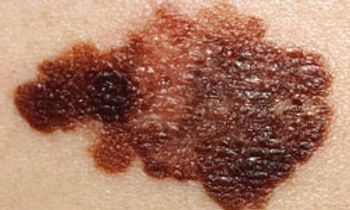
The incidence of melanoma, the deadliest of all skin cancers, is quickly rising, and the disease is responsible for more than 8000 deaths each year.

Facilities seeking Commission on Cancer accreditation now need to have a patient navigation process in place by 2015.