
Chest radiation to treat a pediatric cancer is a well-known risk factor for getting breast cancer in adulthood, and research has now unearthed two specific genetic variants which may help to identify those survivors who are most at risk.
Chest radiation to treat a pediatric cancer is a well-known risk factor for getting breast cancer in adulthood, and research has now unearthed two specific genetic variants which may help to identify those survivors who are most at risk.

How healthcare is delivered in the United States continues to rapidly and dramatically evolve, with legislative, budgetary, and demographic realities all coming into play. The nurse’s role has changed, too.

It started with one oncology nurse’s inspiration—and a closet. That simple idea has grown into a “renewal room” on every clinical floor of the newly built inpatient tower at Cancer Treatment Centers of America at Midwestern Regional Medical Center, a place where nurses can retreat to relax, take a mindful pause, and find a few minutes for themselves.

The American Cancer Society has issued a new clinical practice guideline for the follow-up screening and care coordination for this population of survivors, who may experience significant physical, psychosocial, and practical effects from their cancer and its treatment.
Misdiagnosis of neuroendocrine tumors remains an ongoing challenge, and a recent international study involving more than 100 countries and nearly 2000 patients revealed the average case takes between 5 and 9 years to properly diagnose after the first symptoms appear, and the average patient may see five or six doctors.

A new study by physicians has found that Twitter may be an effective and heretofore untapped resource to stimulate interest in cancer clinical trials and boost enrollment.
Myeloproliferative neoplasms (MPNs) are “still in their infancy in the cancer world,” according to Rebecca N. Claassen, RN, BSN, OCN.

The first study to assess smoking habits of women with breast cancer before and after diagnosis has found that those who quit smoking after their diagnosis had a 33% lower risk of dying of the disease than those who continued to smoke.
Ellyn E. Matthews, PhD, RN, AOCNS, CBSM, shared her insights on the latest evidence-based practices for nurses to address sleep issues with patients and survivors.

Racial disparities in mortality for breast cancer have gotten worse in women and persisted for colorectal cancer in men, although progress has been made in closing the mortality gap between blacks and whites for other cancers.

A study involving nearly 30,000 patients diagnosed with early-stage breast cancer has found that up to 60% of these women received imaging tests such as CT, bone, and PET scans that were not medically justified, contrary to national guidelines.
New agents and formulations have been added to the CINV armamentarium; however, unless patients are encouraged to discuss the problem with their clinicians, their CINV may go unmanaged, causing even greater problems down the road.
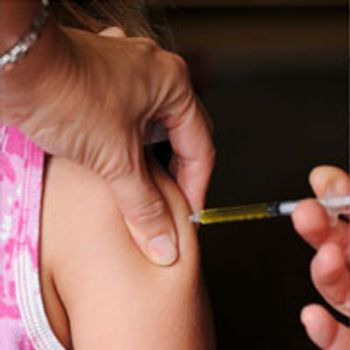
Sixty-nine National Cancer Institute–designated cancer centers are urging parents, young adults, and healthcare providers to increase HPV vaccination rates, with only an estimate 40% of girls and 21% of boys in the United States receiving the recommended three doses of the HPV vaccine.

For practicing nurses, this may seem like a no-brainer, but a new study is offering even more evidence that quality nursing improves patient outcomes.

While patients and survivors often complain of chemobrain during and after their cancer treatment, it turns out that there are multiple factors behind the cognitive decline many survivors experience.

For cancer survivors, the fear of missing an early sign of recurrence or a second cancer is an everyday reality, making follow-up monitoring

Although survival rates are excellent for children diagnosed with retinoblastoma, new research has shown that survivors are at increased risk of developing medical problems as adults, including second cancers, especially when the disease has affected both eyes.

Nearly half of all women report symptoms of chemotherapy-induced peripheral neuropathy (CIPN) long after their cancer treatment has ended, and those with the condition have a significantly higher risk of falls, altered walking patterns, and other difficulties in physical functioning, a new study has found.

For undiagnosed men who took regular aspirin their risk of developing a lethal form of prostate cancer was reduced by 24%, and among those already diagnosed with the disease, regular aspirin use lowered their risk of dying from it by 39%.

Women with early-stage breast cancer who were treated with breast-conserving therapy (BCT) and radiation had improved survival after 10 years compared with those who had a mastectomy without radiation, according to research findings presented recently at the 2015 SABCS.

Practitioners awaiting guidelines for the optimum support of breast cancer survivors now have a resource to turn to with the release of a new clinical oncology breast cancer survivorship care guideline, a collaborative effort of ASCO and ACS.

FDA approval of two immunotherapies to treat non-small cell lung cancer (NSCLC), an ever-expanding understanding of the disease’s molecular differences, and new screening guidelines for high-risk patients to detect lung cancer at an earlier, more treatable stage, are helping patients live longer.
A new study has shown that overall quality of life is similar among patients taking tamoxifen or anastrozole, but patient reports on their hot flashes, night sweats, vaginal dryness, and joint pain can help illuminate which therapy may be right for a particular woman. And, the analysis shows, age matters.
One of the most difficult challenges oncology clinicians face is helping patients to manage the interplay of strong and often conflicting emotions that come with a difficult prognosis.

Denosumab not only promotes bone health, it confers a survival advantage, according to data from a follow-up analysis of the ABCSG-18 trial reported at the 2015 San Antonio Breast Cancer Symposium (SABCS).

Although patients with multiple myeloma and other plasma cell disorders (PCDs) are routinely vaccinated against influenza, studies show that a one-time flu shot does not confer an adequate immune response in these high-risk patients.

While immunotherapies continue to gain traction across multiple tumor types, including malignancies of the central nervous system, these agents are also associated with unique adverse events.

Patients and practitioners can expect more personalized options for the treatment of polycythemia vera (PV), including more refined criteria for diagnosing symptomatic patients and identifying those at highest risk along with more therapies for treating a disease which carries a heavy symptom burden.

Despite growing interest in the financial burden of out-of-pocket cancer treatment costs, little is known about whether patients actually want to talk about costs with their oncology team.