






























































ODAC voted against the use of PD-L1 expression as a predictive biomarker in gastric cancers.
ODAC voted against the use of PD-L1 expression as a predictive biomarker in gastric cancers.

Distant relapse-free survival was maintained with non-operative management of pMMR locally advanced rectal cancer.

Olanzapine improved control of nausea and vomiting from moderately emetogenic chemotherapy, which may suggest its use as a standard of care for antiemetic prophylaxis.
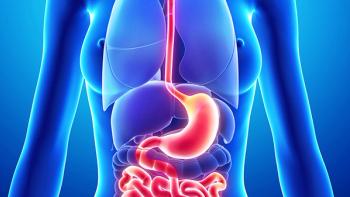
Perioperative pembrolizumab plus chemotherapy improves overall survival in patients with resectable gastric cancer.

Final results of the ARMANI trial demonstrated that switch maintenance therapy with ramucirumab plus paclitaxel improved survival in advanced HER2-negative gastric or gastroesophageal junction cancer.
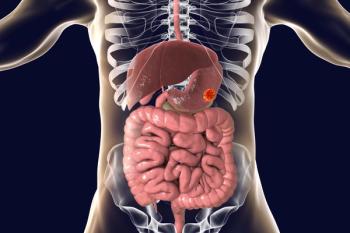
Patients with gastric/GEJ adenocarcinoma treated with cadonilimab plus oxaliplatin and capecitabine obtained a survival benefit regardless of PD-L1 expression.

Tislelizumab-jsgr (Tevimbra) has been approved for unresectable or metastatic esophageal squamous cell carcinoma (ESCC) among adult patients who have previously received systemic chemotherapy that did not include a PD-1/PD-L1 inhibitor.
A biologics license application has been accepted by the FDA for first-line tislelizumab plus chemotherapy for gastric/gastroesophageal junction cancer.
Patients with advanced gastric cancer treated with second-line fruquintinib/paclitaxel experienced significant improvements in progression-free survival but not overall survival when compared with paclitaxel alone.

Next-generation sequencing may better predict dMMR in patients with colorectal or endometrial cancer, highlighting the importance of the testing.
The FDA has approved pembrolizumab plus chemotherapy to treat adults with locally advanced or metastatic, HER2-negative gastric cancers.
The PD-L1 IHC 22C3 pharmDx diagnostic tool will help identify patients with gastric or gastroesophageal junction adenocarcinoma whose disease expresses PD-L1 and who are thereby eligible for pembrolizumab.

The FDA has restricted the indication for gastric cancer to only include patients whose tumors express PD-L1 (CPS ≥ 1) as determined by an FDA-approved test.
Nivolumab plus chemotherapy offers patients with gastric and esophageal cancers a reduced risk of symptom burden and a longer time to deterioration.

Trastuzumab deruxtecan elicited a confirmed objective response rate of 42% in patients with HER2-positive gastric or gastroesophageal junction cancer, according to findings from the phase 2 DESTINY-Gastric02 trial.

The FDA has granted priority review to the biologics license application for zolbetuximab as a treatment for patients with locally advanced unresectable or metastatic HER2-negative gastric or gastroesophageal junction adenocarcinoma.

Manufacturers believe that GEN-002/avelumab holds promise as a third-line option for patients with gastric cancer and PD-L1 expression.

Patients with pancreatic and gastric cancers residing in states with expanded Medicaid had improved survival rates.
The FDA has accepted a biologics license application for a proposed trastuzumab biosimilar. The therapy is being considered as adjuvant therapy for certain HER2-overexpressing cancers.

The addition of AB011 to chemotherapy yielded initial clinical responses in patients with gastric cancer or gastroesophageal junction adenocarcinoma.
The FDA has approved updated labeling for capecitabine under Project Renewal, an Oncology Center of Excellence initiative aimed at updating labeling information for certain older oncology drugs.

After demonstrating significant efficacy as a third-line treatment for patients with metastatic HER2-positive breast cancer, fam-trastuzumab deruxtecan-nxki has gained approval from the FDA for 5 indications and is under investigation across solid tumors.

Ivosidenib maintains quality of life in cholangiocarcinoma, immunotherapy outperforms chemotherapy in select gastric/gastroesophageal junction adenocarcinoma, and nivolumab induces high response rates are observed among patients with BRAF V600E–mutant metastatic colorectal cancer.
Pembrolizumab plus chemotherapy did not induce clinically meaningful survival benefit, compared with chemotherapy alone, in patients with advanced gastric or gastroesophageal junction adenocarcinoma and a PD-L1 combined positive score of 1 or higher.

The presence of Arthrobacter and fatty acid metabolism pathways in gut microbiomes may be linked to an increased risk of skin-related adverse events (AEs) in patients with advanced gastric cancer.