


























































Approximately 30% of patients remained on treatment with darolutamide for over 4 years, according to a long-term safety and tolerability updated from the ARAMIS rollover study.
Approximately 30% of patients remained on treatment with darolutamide for over 4 years, according to a long-term safety and tolerability updated from the ARAMIS rollover study.

At a median follow-up of 24.9 months, imaging-based progression-free survival was not reached among patients with metastatic castration-resistant prostate cancer who had received talazoparib plus enzalutamide.
As treatment strategies for renal cell carcinoma shift to targeted therapies and immunotherapy, reassessing the quality of end-of-life care remains essential, according to investigators.

A decision model with a 10-year time horizon found that nivolumab plus ipilimumab was the most effective combination for patients with metastatic renal cell carcinoma, but sunitinib was the most cost-effective approach.

Neoadjuvant treatment with gemcitabine and split-dose cisplatin followed by surgical resection and lymph node dissection proved to be effective and well-tolerated for patients with high-risk upper tract urothelial carcinoma.
The FDA has approved nadofaragene firadenovec-vncg for patients with high-risk non-muscle invasive bladder cancer.

In this episode of The Vitals, we recount the oncology drugs that received FDA approvals in 2022.
Combining enzalutamide with salvage radiation therapy helped delay prostate-specific antigen progression in patients with PSA-recurrent, high-risk prostate cancer.
Rogaratinib did not display a significant benefit over chemotherapy in patients with FGFR mutated bladder cancer, but the targeted treatment did generate encouraging responses among those with FGFR3 DNA alterations.

Immunotherapy has changed the face of cancer treatment, but requires appropriate irAE management to reach full potential.

During the International Kidney Cancer Symposium, Kiran Virdee, RN, BSN, CCRN-K, outlined best practices in kidney cancer symptom management.
Nancy Moldawer, RN, MSN, cochair of the Kidney Cancer Association's Clinical Advisory Board, speaks to unfolding data in the renal cell carcinoma space and the challenges in providing adjuvant therapy to this patient population.

A regimen of cediranib and olaparib improved radiographic progression-free survival in patients with metastatic castration-resistant prostate cancer compared with olaparib monotherapy. However, the rate of dose reductions was doubled with the combination.
Olaparib is an oral drug manufactured in 150-mg and 100-mg tablets. Olaparib is taken by mouth, twice daily. It can be taken without or without food.

Selpercatinib demonstrated a promising efficacy profile in patients with RET-fusion positive solid tumors.
Tivozanib, an oral VEGF inhibitor, improved overall survival in patients with relapsed or refractory, advanced renal cell carcinoma.

Structured preceptorships promote competence, confidence, and job satisfaction in new oncology nurse practitioners.
The median radiographic progression-free survival (rPFS) was 11.2 months among patients with castration-resistant prostate cancer who received rucaparib. In the control arm, median rPFS was 6.4 months.
ASCO has released new guidelines concerning the optimal treatment of patients with metastatic clear cell renal cell carcinoma following a systematic literature review by an expert panel.
Selpercatinib was approved by the FDA for RET fusion–positive non–small cell lung cancer and locally advanced or metastatic RET fusion–positive solid tumors.

In a real-world analysis of patients with hepatocellular carcinoma, the median overall survival with lenvatinib was 9.7 months in the low-dose group and 7.6 months in the recommended-dose group.
Results of retrospective analysis of previously treated patients with metastatic renal cell carcinoma who received nivolumab in the second- and third-line showed that health-related quality of life was maintained in the real-world setting
At a median follow-up of 22.9 months, patients with platinum-refractory metastatic urothelial carcinoma achieved a median overall survival of 14.6 months with EphB4-human serum albumin plus pembrolizumab.
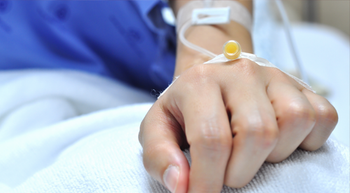
Best management strategies for vancomycin infusion reactions may include premedication, infusion-rate adjustment, and, in some cases, alternative antibiotic therapy.

Starting patients with unresectable or metastatic renal cell carcinoma on a reduced dose of VEGF tyrosine kinase inhibitor (TKI) therapy did not compromise survival outcomes.