




























































Compared with enzalutamide or abiraterone acetate tablets, olaparib was associated with decreased pain burden and better health-related quality of life in patients with castration-resistant prostate cancer.


Metastatic Urothelial Cancer Treatments Continue to Gravitate Towards Immunotherapy and Targeted Therapies
Compared with enzalutamide or abiraterone acetate tablets, olaparib was associated with decreased pain burden and better health-related quality of life in patients with castration-resistant prostate cancer.
Cabozantinib is determined to be a safe treatment option for patients with metastatic renal cell carcinoma whose disease failed to respond to prior immunotherapy combinations.
Patients with 4-1BB or LAG-3–expressing T cells at baseline, or a high proportion of PD-L1–expressing myeloid cells and plasmacytoid dendritic cells during boost cycles, may be more likely to benefit from the combination of nivolumab and ipilimumab.

Adding sacituzumab govitecan to second-line pembrolizumab garnered promising antitumor activity among patients with checkpoint inhibitor–naïve metastatic urothelial cancer.
Nivolumab plus cabozantinib outperformed sunitinib in maintaining health-related quality of life in patients with advanced renal cell carcinoma.
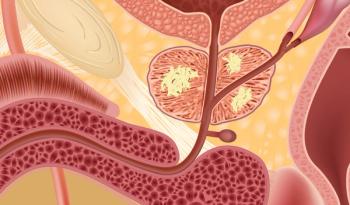
A post-hoc analysis of 2 studies revealed that patients with advanced prostate cancer receiving apalutamide reported positive wellbeing scores during treatment.

The androgen receptor inhibitor darolutamide prolonged overall survival compared with placebo in patients with at least 6 comorbidities.

Frontline niraparib, abiraterone acetate, and prednisone yielded improved radiographic progression-free survival in patients with metastatic castration-resistant prostate cancer.
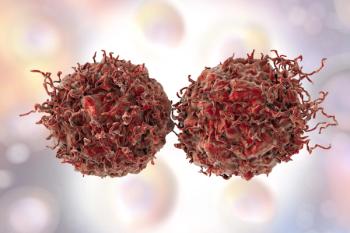
First-line treatment with olaparib plus abiraterone resulted in a 34% risk reduction of radiographic disease progression or death in patients with metastatic castration-resistant prostate cancer.

A newly designed model will outline what genetic patterns put men with prostate cancer at an increased risk of toxic side effects.

Patients with various solid tumor types experienced improved antitumor immunity after adhering to a diet with severe caloric restrictions.

A retrospective study presented at the 22nd SUO Annual Meeting revealed that pelvic organ–preserving robot-assisted radical cystectomy allowed women to return to sexual activity post-surgery.

Researchers identified a linear decrease in the likelihood of surgery once patients with localized prostate cancer reached a BMI of 33 or greater.
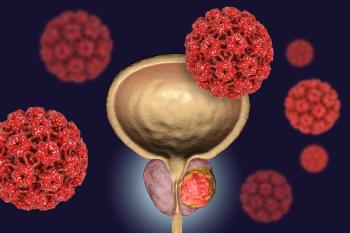
Hispanics are the largest ethnic minority and one of the most rapidly growing populations in the United States. Prostate cancer represents the highest incident non-cutaneous malignancy in this population.
A secondary analysis of 2 treatment alterations studies demonstrated that 18F-fluciclovine PET/CT scans play a pivotal role in determining if androgen deprivation therapy is appropriate for patients with prostate cancer.

A study presented at the 22nd SUO Annual Meeting did not identify any significant or clinically meaningfully differences in HRQOL in patients with nonmetastatic bladder cancer who receive robotic-assisted vs open radical cystectomy.

Urine cytology specimen NGS was found to be a feasible and valid method of assessing genomic alterations in patients with upper tract urothelial carcinoma.

A presentation at the SUO Annual Meeting underscored best surveillance strategies for patients with low-grade upper tract urothelial carcinoma who have undergone radical nephroureterectomy.

Pembrolizumab represents the first immunotherapy approved to treat patients with renal cell carcinoma in the adjuvant setting.
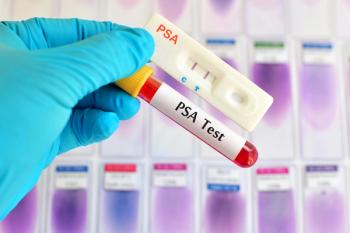
The increased risk of prostate cancer associated with MSH2 and MSH6 pathogenic variants point to a need for annual PSA screening in men over the age of 40.
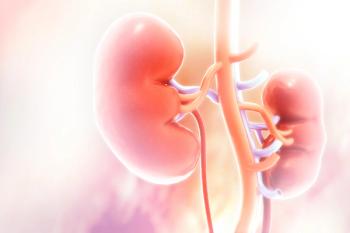
An expert from Dana-Farber Cancer Institute comments on ongoing research in translocation RCC and next steps for research in this treatment space.

The implementation of the Oncology Nursing Society’s new Get Up, Get Moving Program helped patients increase their daily step intake and maintain their health-related quality of life.
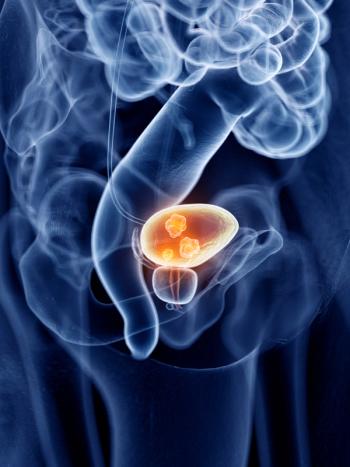
Approximately 73% of patients with NMIBC who experienced a complete response after non-surgical primary chemoablation using mitomycin-containing reverse thermal gel UGN-102 remained disease free at 9 months.
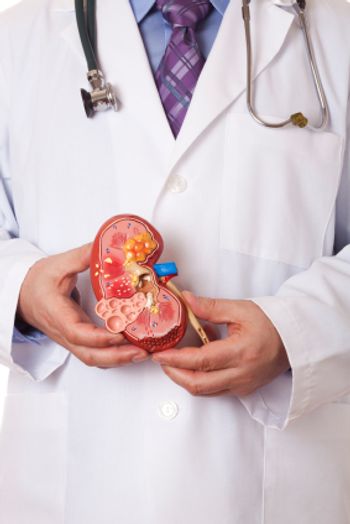
A real-world survival analysis showed that patients with metastatic RCC treated with axitinib plus pembrolizumab did not experience significantly improved survival outcomes compared with patients treated with ipilimumab plus nivolumab.
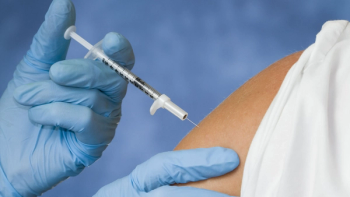
The Pfizer-BioNTech COVID-19 vaccine induces similar levels of COVID-19 antibodies in patients with solid cancer compared with people without cancer.