

























































Standard chemotherapy plus sorafenib achieved clinical benefit in pediatric patients with FLT3-ITD–positive acute myeloid leukemia.
Standard chemotherapy plus sorafenib achieved clinical benefit in pediatric patients with FLT3-ITD–positive acute myeloid leukemia.

Nurse investigators characterized the onset and management of edema and effusion with loncastuximab tesirine in the pivotal LOTIS-2 trial.

Tisagenlecleucel received accelerated approval from the FDA for the treatment of adult patients with relapsed or refractory follicular lymphoma following 2 or more lines of systemic therapy.
Ivosidenib plus azacitidine received FDA approval for the treatment of patients with newly diagnosed acute myeloid leukemia (AML) harboring IDH1 mutations.

Azacitidine (Vidaza) is now FDA approved for pediatric patients with newly diagnosed myelomonocytic leukemia.

An expert with the phase 1b TRIMM-2 trial underscores the significance and findings for patients with multiple myeloma.

New research suggests that blood type may be an easily accessible predictor of venous thromboembolism risk.
The addition of ublituximab and umbralisib (Ukoniq; U2) to ibrutinib (Imbruvica) demonstrated a 77% undetectable minimal residual disease (uMRD) rate in patients with chronic lymphocytic leukemia.
Very low dose radiation therapy was found to be an effective treatment approach in the palliative setting for patients with indolent non-Hodgkin lymphoma.
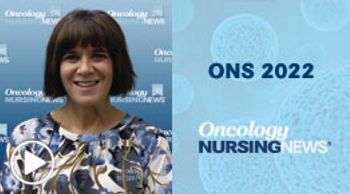
Ilene Galinsky, BSN, MSN, ANP-C, senior leukemia protocol research nurse practitioner, at Dana Farber Cancer Institute, discusses how treatment for patients with acute myeloid leukemia has evolved in recent years.
Patients with relapsed/refractory large B-cell lymphoma continued to derive benefit from lisocabtagene maraleucel after 2 years of follow-up.
Patients with relapsed or refractory large B-cell lymphoma experienced improved overall survival following treatment with axicabtagene ciloleucel.
Belimumab has emerged as a safe and tolerable agent that may be useful for the prophylaxis of chronic graft-vs-host-disease.
Pacritinib helps relieve physical function-related symptoms in adult patients with myelofibrosis and moderate or severe thrombocytopenia.

Special protocols are required to ensure the safety of patients undergoing bone marrow transplants.
Patients with heavily pretreated lymphoma experienced promising clinical responses following treatment with the innate cell engager AMF13 plus preactivated and expanded natural killers (NK) cells.
A new method of developing CAR T-cell products produced infusion-ready cells in under 24 hours.
Axicabtagene ciloleucel is now FDA-approved for the treatment of adult patients with large B-cell lymphoma that is refractory to first-line chemoimmunotherapy or relapses within 12 months of first-line chemoimmunotherapy.
Investigators are seeking to overcome barriers to help patients with acute myeloid leukemia achieve complete and durable remissions by focusing their attention on novel agents engineered to target adhesion factors.
The disparate use in telemedicine between White and Black patients warrants further exploration into compound cases, such as economic and societal factors.
Investigators hope that the novel obecabtagene autoleucel, a second-generation CAR T-cell therapy may fill an unmet need by representing a durable treatment option for patients with relapsed/refractory B-cell acute lymphoblastic leukemia.
Duvelisib, a dual PI3K-δ,γ inhibitor, is now listed as a category 2A designated option for second-line and subsequent treatment of patients with relapsed/refractory peripheral T-cell lymphoma in the National Comprehensive Cancer Network Clinical Practice Guidelines.
The FDA has granted a priority review designation of ivosidenib plus azacitidine on the indication of previously untreated IDH1-mutated acute myeloid leukemia.
A proactive, multidisciplinary approach is the best way to address belantamab mafodotin—related keratopathy in patients with multiple myeloma.
An expert with Moffitt Cancer Center comments on the ongoing FELIX trial, and the potential of the novel CAR T-cell therapy, obecabtagene autoleucel, to change the B-cell acute lymphoblastic leukemia treatment paradigm.