

Teddi Mellencamp highlights the vital bond and advocacy of oncology nurses during the 2026 Extraordinary Healer awards ceremony in San Antonio.
Teddi Mellencamp highlights the vital bond and advocacy of oncology nurses during the 2026 Extraordinary Healer awards ceremony in San Antonio.

ACCOMPANI aims to improve culturally responsive pediatric cancer care for African American families through nurse-led communication support.
Study findings suggest biologic aging and neighborhood deprivation may shape cognitive benefits from exercise after breast cancer.

A study presented at ONS 2026 shows how primary palliative care interventions improve patient-provider relationships and goal-setting in cellular therapy.

Cedars-Sinai used a nursing education framework to shift a 63-bed oncology unit to a progressive care model, improving immunotherapy monitoring.
A quality improvement project at Sylvester Comprehensive Cancer Center shows that structured education enhances nurse triage for treatment toxicities.

Hackensack researchers evaluated an antineoplastic agent onboarding program for nurses treating solid and hematologic tumors.
Pilot study links gut microbiome patterns to fatigue and pain in melanoma patients receiving immune checkpoint inhibitors.

A UAMS study shows non-musical sound machines significantly reduce patient anxiety during gynecology oncology appointments in a cost-effective way.

Both pre- and post-evidence–based practice change occlusion rates were low with relation to anticipated rates among hospitalized adult patients with cancer.

Jill Winther earned the 2026 Extraordinary Healer® Award for her leadership, advocacy and dedication to oncology nursing.

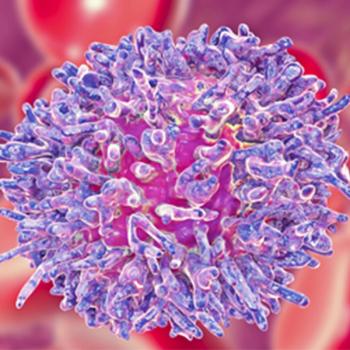
Gene expression in peripheral blood as well as patient-reported outcomes differed for those with acute myeloid leukemia undergoing induction chemotherapy.

Using tools like the ICE Score could improve consistency in grading neurotoxicity tied to bispecific antibodies in hematologic cancers.

Daratumumab showed a decrease in disease progression or death risk vs active monitoring in patients with high-risk smoldering multiple myeloma.

Emetogenic chemotherapy regimens and back pain were associated with higher symptom burden in older, vs younger, patients with cancer.
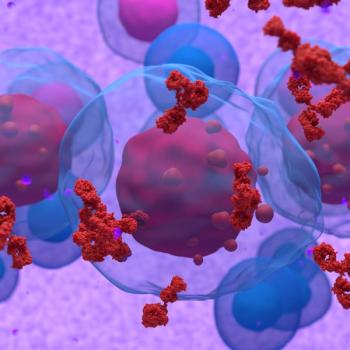
Data from the CEPHEUS trial support the use of D-VRd in patients with transplant-ineligible or -deferred multiple myeloma who can tolerate bortezomib.
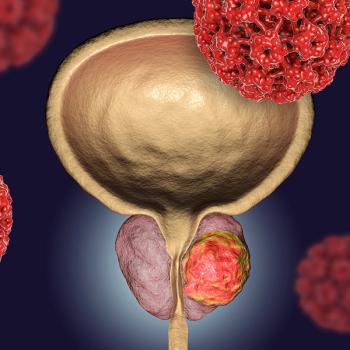
Apalutamide decreased risk of death in mCSPC by 23% and 26% compared with enzalutamide and abiraterone acetate, respectively.

The PRECURSOR intervention appeared feasible/acceptable, suggesting a need for patient-centered conversation in incurable gynecologic cancer treatment.
The intersection of cardiology and oncology is greater than nurses and providers may assume, explained 2 experts.

Sessions addressing supportive care needs for patients with cancer on early phase clinical trials appeared feasible and acceptable in a prospective study.

Assessment of psychological needs and offering tailored interventions immediately after BCS helps patients with breast cancer in the outpatient setting.

Providing education about patients’ diseases was difficult, according to 32% of registered nurses and 29% of infusion nurses.
Early infection incidence in patients with multiple myeloma following treatment with cilta-cel infusion highlights the necessity of toxicity monitoring.

Authors noted that BiTEs have expanded the treatment paradigms for several types of solid tumors and blood cancers; however, toxicities associated with this class of agents have raised safety concerns.

Findings highlighted that increased physical activity was associated with a variety of benefits in improving overall well-being in early adolescent and young adult survivors.
Assessing the signs and symptoms of chemotherapy-induced diarrhea and providing accurate and timely patient education may reduce complications and optimize survival outcomes.
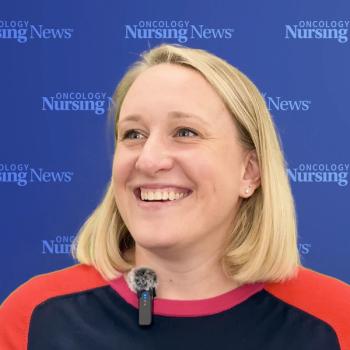
Danielle Fournier, DNP, APRN, AGPCNP-BC, AOCNP, discusses the role of oncology nurses in genomic testing.

“When discussing treatment options with patients, it is important to consider efficacy, safety, and the impact of treatment on patients’ quality of life [QOL]…,” noted Brenda Martone, RN, APP.