

Dr. Joel Neal presents CHRYSALIS-2 data at ASCO 2026, highlighting a 3.5-year median survival and toxicity management for atypical EGFR-mutant NSCLC.
Dr. Joel Neal presents CHRYSALIS-2 data at ASCO 2026, highlighting a 3.5-year median survival and toxicity management for atypical EGFR-mutant NSCLC.

Dr. Sara Tolaney discusses the ASCENT-04 trial results for mTNBC and key strategies for oncology nurses to manage patient toxicities like diarrhea.

ASCO 2026 research highlights GLP-1 medications as a potential breast cancer prevention tool, showing a 30% risk reduction in retrospective analysis.

TROPION-Breast02 data show datopotamab deruxtecan extends stability and delays the need for new treatment lines in first-line metastatic TNBC.

At ASCO 2026, experts discussed balancing the survival benefits of GLP-1 RAs with the nursing challenge of managing cancer-related anorexia.

Camizestrant switch at ESR1 mutation detection improves PFS, patient-reported outcomes, and delays chemotherapy in advanced breast cancer.

HR20013 plus dexamethasone improves delayed emesis control and daily functioning for patients on moderately emetogenic chemotherapy in the phase 3 PROTECT trial.

ASCO 2026 data show GLP-1 RAs reduce HR+/HER2- breast cancer risk and improve overall survival in non-diabetic women with a BMI of 25-35 kg/m².

Oncology nurses play a vital role in managing cognitive and metabolic toxicities during long-term lorlatinib therapy for ALK+ NSCLC.
New ASCENT-04 data shows sacituzumab govitecan plus pembrolizumab improves PFS in first-line PD-L1+ TNBC regardless of Trop-2, BRCA, or HER2 status.

ASCO 2026: Dr. Shubham Pant discusses managing the unique side effect profile of daraxonrasib, a new standard of care for metastatic pancreatic cancer.

ASCO 2026: The EMERALD-3 study shows adding STRIDE with or without lenvatinib to TACE significantly extends PFS for patients with unresectable HCC.

ASCO 2026: Adding ipatasertib to pembrolizumab improved ORR to 41% in first-line R/M HNSCC, significantly outperforming pembrolizumab monotherapy.

A large real-world analysis found that higher frailty scores were associated with increased odds of toxicities, hospitalization, and mortality in patients receiving ADC, BiTE, and CAR T-cell therapies.

A real-world study shows concurrent GLP-1 RA and ICI use may significantly improve long-term survival and lower toxicities for patients with cancer.

Dr. Emily Podany explains how oncology nurses can screen for food insecurity and provide evidence-based solutions to improve patient outcomes.

Dr. Paolo Tarantino highlights the need for drug-specific prophylaxis to manage toxicities like ILD and neutropenia in patients receiving ADCs.

Final KEYNOTE-522 analysis shows 85.1% 7-year OS in early TNBC. Dr. Javier Cortes details nursing management of immune-related side effects.

An updated post hoc analysis showed that imetelstat nearly doubled overall survival compared with best available therapy in patients with JAK inhibitor–relapsed or refractory myelofibrosis.
The phase 2 ARACOG study is the first head-to-head randomized comparison of cognitive effects between the 2 androgen receptor pathway inhibitors.
Studies to be presented at the 2026 ASCO Annual Meeting examine GLP-1 receptor agonists in relation to cancer progression, survival, and immune-related adverse events.

As CAR T-cell therapy expands to solid tumors, oncology nurses play a key role in monitoring, educating, and supporting patients.
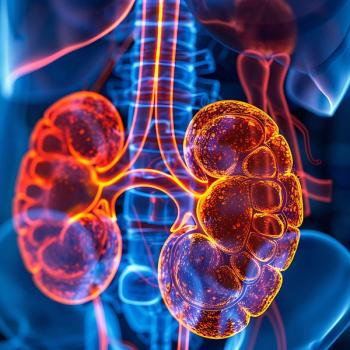
ALLO-316 showed significant activity and safety in patients with metastatic CD70-positive clear cell renal cell carcinoma.

Biomarker data from CodeBreaK 300 suggest DNA and RTK pathway alterations may underlie resistance to sotorasib plus panitumumab in CRC.

In addition to a significant PFS benefit vs nab-paclitaxel alone, the combination provides an at-home option for patients with ovarian cancer.

Nivolumab plus chemotherapy significantly improved OS vs chemo alone in resectable NSCLC, per updated CheckMate-816 findings.

Relacorilant plus nab-paclitaxel improved PFS and showed a trend toward longer OS in platinum-resistant ovarian cancer in ROSELLA.

Lasting survival benefits vs chemotherapy or monotherapy were achieved with nivolumab and ipilimumab for patients with MSI-H/ dMMR metastatic colorectal cancer.

T-DXd led to an ORR of 59.4% vs 33.9% with chemo, regardless of biomarker status, in HR+, HER2-low metastatic breast cancer, per DESTINY-Breast06.
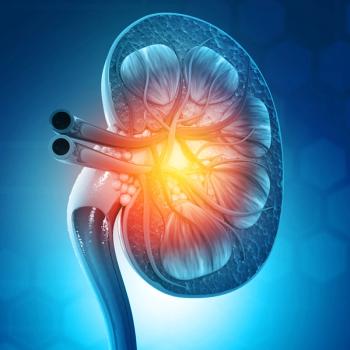
A machine learning model applied to CheckMate 9ER may help predict outcomes and resistance in advanced renal cell carcinoma.