

Hear from the winner of the 2019 Extraordinary Healer award.
Hear from the winner of the 2019 Extraordinary Healer award.

Creating a way to analyze the postings of patients and caregivers seeking peer support can give doctors and researchers insights about how to help them.

Researchers found significant gender and role differences regarding cardiovascular disease incidence and its related health behaviors among cancer survivors and their spouses.
The terminology that oncology nurses use to describe opioid addiction can affect patient care.

Nurses can help manage post-traumatic stress disorder symptoms in survivors of non-muscle invasive bladder cancer.

In one institution, a weekly multidisciplinary meeting has proved to improve care for patients with cancer who are receving concurrent therapies.

Despite increased physical activity, nutritional intake behavior among female cancer survivors did not improve with an exercise intervention program, according to a randomized, controlled trial.

An at-home computerized program could be beneficial in treating cognitive impairment in cancer survivors.

Clinical hypnosis offers a non-pharmacological approach to managing chronic pain after cancer treatment.
Mindfulness is key when it comes to preventing compassion fatigue.
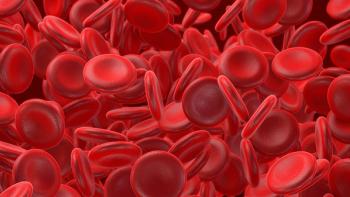
CAR-T cell therapy is greatly improving the outcomes of patients with blood cancers, but not without its own set of toxicities.

The addition of heated chemotherapy delivered to the abdomen during surgery delivered no survival benefit to patients with peritoneal carcinomatosis, according to phase III study results presented at the 2018 ASCO Annual Meeting.

Troubling statistics indicate that women who have head and neck cancer have worse out comes than their male counterparts.

Adding nelarabine to escalating-dose methotrexate increased the 4-year disease-free survival rate to 91% in pediatric and young adult patients with newly diagnosed T-cell acute lymphoblastic leukemia or T-cell lymphoblastic lymphoma, according to results from the phase III AALL0434 trial.
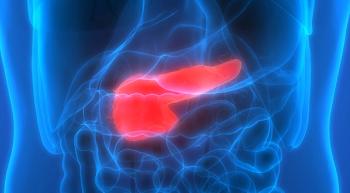
In a major advance that set a new standard of care for the treatment of patients with resected pancreatic cancer, a modified FOLFIRINOX regimen (mFOLFIRINOX) dramatically improved survival compared with standard gemcitabine as postoperative therapy.
Sunitinib (monotherapy appeared noninferior to cytoreductive nephrectomy and adjuvant sunitinib, the current standard of care for patients with synchronous metastatic renal cell carcinoma, according to results from a phase III study presented at the 2018 ASCO Annual Meeting.

Nurses may be able to help facilitate discussions between patients and physicians to give both parties a better understanding of each other’s goals and ultimately lead to better care.
Patients with relapsed/refractory heavily pretreated multiple myeloma could live for an extra progression-free year with the use of the anti-BCMA CAR T-cell therapy bb2121.

Adolescent and young adult survivors of cancer require special care, according to a study presented at the American Society of Clinical Oncology’s 2018 Annual Meeting.
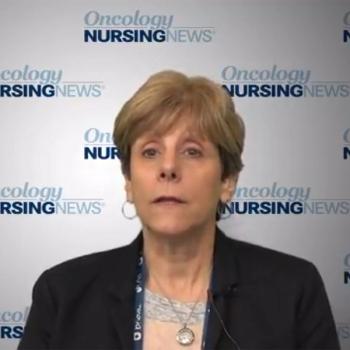
Phyllis McKiernan, MSN, APN, OCN, Blood & Marrow Transplant Program, John Theurer Cancer Center explains factors that go into choosing an iron chelation therapy for a patient with myelodisplastic syndrome (MDS) experiencing transfusion-related iron overload.

A promising CD19-directed chimeric antigen (CAR) T-cell therapy, Lisocabtagene maraleucel (JCAR017; liso-cel), may result in durable remissions among patients with high-risk diffuse large B-cell lymphoma (DLBCL), the most common type of non-Hodgkin lymphoma.

Patients with relapsed/refractory heavily pretreated multiple myeloma could live for an extra progression-free year with the use of the anti-BCMA CAR T-cell therapy bb2121.

Next-generation sequencing (NGS) in metastatic non–small cell lung cancer (NSCLC) can save Center for Medicare and Medicaid Services (CMS) payers $1.4 million to $2.1 million.

Patients with head and neck cancer (HNC) who tracked their symptoms using the CYCORE (CYberinfrastructure for COmparative Effectiveness REsearch) system’s mobile and sensor technology experienced reduced symptom severity compared with those who received standard care, according to results of a large randomized trial.

Cancer immunotherapies are a promising development, but taking care of patients who are using these drugs can be a challenge for oncology nurses.

Oncology nurses play an important role in educating patients with chronic lymphocytic leukemia (CLL) about the adverse effects (AEs) associated with ibrutinib (Imbruvica) treatment.

A symptom assessment app used at home may empower education and self-management among patients, and help with clinician communication.

In patients with advanced breast cancer, oncology nurses play a key role in outcomes by providing education and supporting adherence to a treatment regimen.

While the use of nivolumab (Opdivo) plus ipilimumab (Yervoy) shows promise for a subgroup of patients with metastatic colorectal cancer (mCRC), 32% still experienced a treatment-related adverse effect.

Estimates find that 10-64% of patients experience financial hardships related to the cost of medical care.