

Patients with higher tumor mutational burdens tended to be more likely to be depressed, according to recent research.
Patients with higher tumor mutational burdens tended to be more likely to be depressed, according to recent research.
The ACCC created the Immuno-Oncology Institute to help community practices address up-and-coming questions around immunotherapy implementation.

Cognitive behavioral therapy help to improve the lives of patients experiencing cancer-related fatigue.

The treatment landscape for mantle cell lymphoma (MCL) is rapidly evolving, though patients with relapsed/refractory disease tend to still have poorer outcomes than others; however, hope may be on the horizon, according to Luhua (Michael) Wang, MD.

Nurses should be aware of patients who are at risk for immunotherapy-related myocarditis.
After being treated for breast cancer, nurse practitioners at MSK help survivors transition back to their primary care physicians.

Breast cancer regimens can cause long-term cardiac toxicity in survivors. One trial is delving into why this is the case.

A recent study found that oncology nurses can play a key role in promoting the safety of oral anti-cancer medication, while freeing up time for oncologists, too.

Investigators improved the rate of patients being screened to over 68% for distress and supportive care needs by using a patient-reported tool.

Patients can track symptoms and anonymously send them to glioblastoma researchers around the world.

Implementation of a referral tool designed to enhance family history screening during doctor’s visits may play a crucial role in identifying those at risk for cancer.

An easy-to-implement nurse-driven program can decrease the number of hospital readmissions, lowering costs and improving patient satisfaction.
Patients with lung cancer often report feelings of stigma, and different approaches to care than in other cancer settings.

Venetoclax (Venclexta) to obinutuzumab (Gazyva) reduced the risk for disease worsening or death

Broader clinical trial criteria could nearly double the number of patients with advanced non-small cell lung cancer who are eligible to participate.

Maintenance therapy with olaparib (Lynparza) significantly improved progression-free survival (PFS) compared with placebo among patients with germline BRCA-mutated metastatic pancreatic cancer, according to results from the phase III POLO trial presented at the 2019 ASCO Annual Meeting.

Administering chemotherapy to a pregnant woman can be risky, but current guidelines about pregnancy testing are shaky.

Certain populations are less likely to receive treatment for breast cancer. Nurses should lead a multidisciplinary team to improve that.

According to the MATCH trial, about a quarter of pediatric patients with cancer were able to be screened for targetable alterations in their tumor and directed to a treatment targeting that alteration.

Oncology nurses must ensure that patients are discussing issues they face when it comes to paying for medication.
Communication is key to ensure the best quality patient care.

Conducting a geriatric assessment, predicting chemotherapy toxicity, and considering polypharmacy are all crucial in this growing population, experts say.
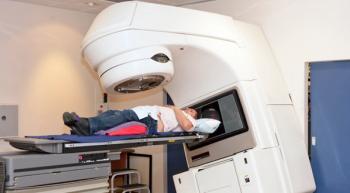
Nurses play a key role in helping to manage the chronic adverse events (AEs) associated with radiation, even into survivorship, according to Hilda Haynes-Lewis, PhD, ANP-BC, AOCNP.

There are multiple key players, including oncology nurses, in the treatment of patients with myelodysplastic syndrome.

Nurse educators are more effective than electronic guides in ensuring that patients with cancer are safely discharged from the hospital without readmissions, a study found.

An audit of one institution's administration shows that adhering to a detailed list of tasks prevents missed steps in a complicated process.

Health care providers need to break the cycle of inappropriate symptom communication to help improve patients’ quality of life.
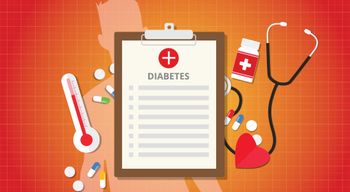
Diabetes may be a risk factor for increased symptoms among breast cancer survivors, highlighting the need for interventions to control the disease, according to secondary analysis results presented at the ONS 44th Annual Congress.

Researchers found that shared decision-making as part of a pain management plan of care could improve outcomes in patients with cancer.

Interventions must be devised to help women compensate for losses in concentration and psychomotor speed, researchers say.