

A clinically meaningful overall response rate was experienced by people with chronic graft versus host disease.
A clinically meaningful overall response rate was experienced by people with chronic graft versus host disease.


When a woman learns she carries a BRCA gene mutation—and thus, in her lifetime, faces an 87% risk of developing breast cancer and a 63% risk of getting ovarian cancer—she has a difficult decision-making process ahead of her. One nurse created an easy-to-understand guide that explains all options and their pros and cons, for use by oncology nurses working with BRCA mutation carriers who do not have cancer—previvors.

“While there is substantial research documenting the psychosocial characteristics in cancer patients and local caregivers to date, none have focused solely on the comparison of patients with their distance caregivers,” the researchers stated in an abstract presented by AnnMarie Papik, B.S.

As the Food and Drug Administration continues to approve additional indications for olaparib (Lynparza), health care providers and caregivers should be aware of the potential adverse effects (AEs) associated with treatment.
When given before a stem cell transplant, busulfan plus melphalan, improved progression-free survival in patients with myeloma, but came with some extra adverse events.

Researchers recommended that survivors of younger-adult breast cancer learn and watch for the signs and symptoms of heart problems or failure, such as shortness of breath and fatigue, and always go to their follow-up appointments, where health care practitioners may keep tabs on their heart health.

Adding patient engagement strategies can help to enhance the research agenda for oncology nursing.

How are patients with cancer triaged at key points throughout their journeys? Who helps them understand their diagnoses or treatments and prioritizes what to do next? Who pulls in the resources needed to make sure patients get what they need as expeditiously as possible?
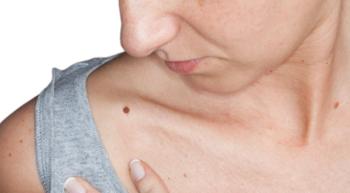
Surveillance of potentially cancerous skin lesions is key in early detection and treatment of the disease, which vastly improves outcomes.
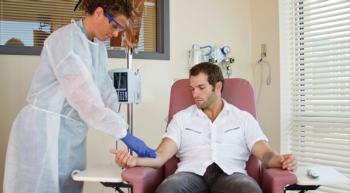
A recent survey showed that nurses are willing to be trained in how to offer an affirmative healthcare experience to individuals who identify as lesbian, gay, bisexual, or transgender; however, only 4.7% were able to demonstrate knowledge of this patient community.

As part of a larger study, nurses found it is important for AYAs to remain physically active during and after cancer treatment.
Cancer treatment should not solely rely on the oncologist, says Rasheda Persinger-Adams, NP, MSN, OCN.
When it comes to patient-nurse relationships in cancer care, "You've got to be there for them," says Jill Schwartz Gomez, RN, CCRP.

Training staff and educating patients can increase compliance and prepare for potential adverse events.
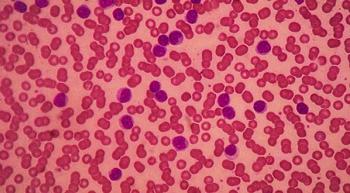
A multidisciplinary team approach may help in seeing optimal patient outcomes following the administration of a powerful drug combination for patients with relapsed/refractory chronic lymphocytic leukemia (CLL).
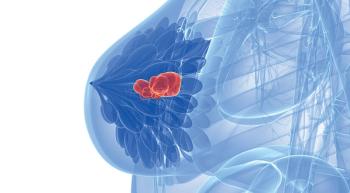
Ribociclib (Kisqali), a targeted CDK4/6 inhibitor, is gaining traction in the treatment of hormone receptor–positive, human epidermal growth factor receptor (HER) 2–negative advanced breast cancer, and nurses and patients need to be educated about its possible adverse effects (AEs).
Patient-reported outcomes allowed oncology nurses to better support patients’ needs.
Not only are PARP inhibitors proving to be an efficacious treatment for patients with metastatic breast cancer, but they're also improving quality of life, too.

Results of a new study show that adding ribociclib (Kisqali) to standard endocrine therapy with temporary ovarian suppression significantly improved progression-free survival (PFS) when used as a first-line treatment for
What kind of nursing interventions do grieving families want in the acute care setting? Answers may be found in the neonatal intensive care unit.
Examining the experience of 3 women, aged 24 to 28, with stage III breast cancer, oncology nurses from the University of Texas at Austin School of Nursing aimed to gain more insight into the experience of younger woman with breast cancer.

Nurses at UT Southwestern's Simmons Comprehensive Cancer Center in Dallas found a telemedicine smoking cessation program to be successful for male smokers in a local homeless shelter, as reported at the 42nd Annual ONS Congress.
Patricia Jakel, RN, MN, AOCN, ended up on the opposite of the bed than she was used to when she was diagnosed with stage III invasive lobular breast cancer.

As presented at the 2017 ONS Annual Congress, nurses at UPMC-Shadyside evaluated the elimination of the neutropenic diet in patients with cancer.

Nurses at Rutgers Cancer Institute of New Jersey reviewed their patient education program.

A group of nurses at Froedtert Hospital developed a study to evaluate the use of aromatherapy to relieve symptoms in patients undergoing blood and marrow transplant.

Deborah Mayer, a member of former Vice President Joe Biden's Blue Ribbon Panel that helped shaped the Cancer Moonshot Initiative, discusses the past, present and future of the program.

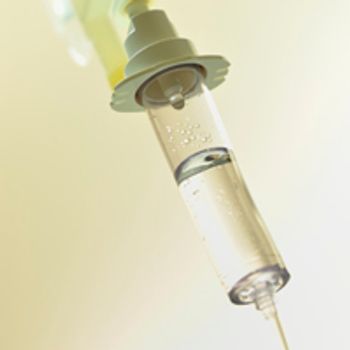
As presented at the 2017 ONS Annual Congress, nurses at Cancer Treatment Centers of America at Eastern Medical Center developed an emergency supply box for the occurrence of hypersensitivity reactions during cancer therapy infusions.