

Combining immunotherapy with other targeted therapies may result in more promising outcomes than immunotherapy alone in the treatment of recurrent ovarian cancer, according to an expert at University of California, Los Angeles.
Combining immunotherapy with other targeted therapies may result in more promising outcomes than immunotherapy alone in the treatment of recurrent ovarian cancer, according to an expert at University of California, Los Angeles.

An expert from The University of Texas MD Anderson Cancer Center recently highlighted the ramifications of the phase 2 ReDOS trial, the need for molecular profiling in mCRC, and ongoing research on the combination of TKIs and checkpoint inhibitors.

Although cancer clinical trial enrollment plummeted during the initial wave of the COVID-19 pandemic, study results show that enrollment has rebounded over the past year.

Nursing students sometimes face surprising hostility from nurse preceptors, explains contributor, Serenity Mirabito. However, the best nurse preceptors operate as agents for good by training and fostering the enthusiasm of young nursing students.

Anticipating these stressors and implementing specific strategies can help ease the distress and vulnerability felt by children and adolescents.

Deidra Hamilton, MSN, RN, OCN, ONN-CG, recently presented on how cancer institutions can clearly define the role of a nurse navigator to prevent scope creep and use gap analysis and metrics to showcase the value of a navigator in their program.

New research suggests that fertility-sparing surgery is feasible and safe in treating ovarian malignant germ cell tumors.

The Pfizer-BioNTech COVID-19 vaccine induces similar levels of COVID-19 antibodies in patients with solid cancer compared with people without cancer.

Kristin Barber, FNP-BC, AOCNP, discusses ongoing phase 1 trials aimed at targeting mutations along the MAP kinase pathway.

Brexucabtagene autoleucel is now an FDA approved treatment options for adult patients with relapsed/refractory B-cell precursor acute lymphoblastic leukemia.
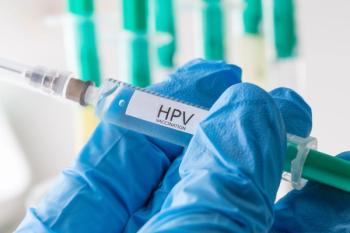
A new retrospective cohort found that women who had received the human papillomavirus vaccine had similar rates of primary ovarian insufficiency as unvaccinated women.

Loop electrical excision procedure (LEEP) demonstrated superior capabilities in clearing high-risk HPV infections in women with cervical intraepithelial neoplasia (CIN2+).

“When you’re donning that gown to go into a room, you’re donning exactly what that patient needs you to be.”
An oncology nurse with over 20 years of experience ponders the necessity of professional privacy in the workplace -particularly in light of COVID-19 vaccinations.

A recent study demonstrated that patients with prostate cancer on active surveillance reported reduced PSA levels after a 12-week HIIT regime.
Cetuximab represents the first approved anti-EGFR antibody which, in combination with encorafenib, is now available to treat adults with pretreated metastatic CRC with a BRAF V600E mutation.

BIPOC patients diagnosed with breast cancer often face additional barriers–like health disparities, health literacy, and lack of knowledge of the psychosocial effects–in comparison to other ethnic groups.

The FDA has granted cemiplimab-rwlc a priority review based on findings from the largest to-date, randomized clinical trial in advanced cervical cancer.

Patients with HER2-positive, metastatic colorectal cancer and higher HER2 expression at baseline experienced improved responses following treatment with trastuzumab deruxtecan.

An expert weighs in on the advantages of cannabis treatment for patients with cancer, and how nurses can help patients navigate the cannabis-oncology space, in spite of certain research limitations.

A 4-year follow-up of patients with treatment-naïve triple-negative breast cancer who received carboplatin plus neoadjuvant paclitaxel, followed by doxorubicin and cyclophosphamide, suggests that the regime induces superior pathological complete response and event-free survival.

Adavosertib decreased the risk of disease progression or death by 65% in patients with TP53-/RAS-mutant metastatic colorectal cancer (mCRC).

Patients with prostate cancer fared better following treatment with magnetic resonance-guided focused ultrasound focal therapy than with radical prostatectomy or radiation therapy, shows study presented at 2021 AUA Annual Meeting.

Sandra Duncan, RN, BSN, discusses her transition to clinical research, and what her responsibilities are like supporting the ongoing CheckMate-73L trial.
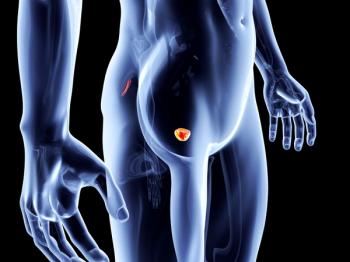
Real-world evidence recently presented at the 2021 AUA Annual Meeting showed that high adherence rates and favorable prostate-specific antigen (PSA) response were observed in men with nmCRPC who were treated with apalutamide.

A phase 2 trial presented at the 2021 ESMO Annual Congress showed that Balstilimab plus Zalifrelimab induced superior response rates, duration of responses, and overall survival in patients with recurrent/metastatic cervical cancer.
The FDA has approved ruxolitinib to treat adults with steroid-refractory chronic graft-versus-host disease.
An expert presenting at the Society of Hematology Oncology 2021 Annual Conference shared important updates in polycythemia vera (PV) treatment and weighed in on the direction of future treatment.
Data presented at the 2021 ESMO Congress suggest that pembrolizumab in addition to chemo with or without bevacizumab may become new standard of care in the frontline setting of cervical cancer treatment.

Patients with advanced RCC who received prior VEGF-targeted therapy tend to have longer survival outcomes with cabozantinib than with axitinib.