

Jenn Pouliot, MSN, RN, OCN, discusses cross-departmental hazardous drug handling protocols, 2-clinician verification mandates, and the critical role of APPs in procedural oncology settings.
Jenn Pouliot, MSN, RN, OCN, discusses cross-departmental hazardous drug handling protocols, 2-clinician verification mandates, and the critical role of APPs in procedural oncology settings.

Dan Silver, PA-C, affirms patients with erectile dysfunction who’ve received prostate cancer treatment that it is possible to regain their erection.

Maurie Markman, MD, joins The Moonlight Shift to discuss precision medicine's real-world limits, oncology's cost crisis, CAR-T in solid tumors, and the decision support gap costing patients.

Julie Elliott, MS, PA-C, reviewed clinical trial data, compared efficacy across third-line regimens, and discussed how real-world outcomes align across third-line treatment options.

The FDA approved durvalumab plus BCG for high-risk NMIBC based on significant disease-free survival gains in the POTOMAC trial.

An updated post hoc analysis showed that imetelstat nearly doubled overall survival compared with best available therapy in patients with JAK inhibitor–relapsed or refractory myelofibrosis.
FDA approves pivekimab sunirine-pvzy for adults with BPDCN, offering a new CD123-directed therapy for this ultra-rare hematologic malignancy.
The phase 2 ARACOG study is the first head-to-head randomized comparison of cognitive effects between the 2 androgen receptor pathway inhibitors.
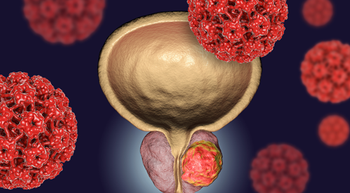
Learn how prostate cancer treatments affect erections—and the tailored rehab options, from Cialis to pumps and injections, that restore intimacy.
Studies to be presented at the 2026 ASCO Annual Meeting examine GLP-1 receptor agonists in relation to cancer progression, survival, and immune-related adverse events.

Psychoneurological symptoms in hematologic malignancies may worsen quality of life, treatment burden and survivorship outcomes.
FDA approves datopotamab deruxtecan-dlnk for first-line metastatic TNBC, improving PFS, OS and response rates vs chemotherapy.

ACCOMPANI aims to improve culturally responsive pediatric cancer care for African American families through nurse-led communication support.

Nursing leaders face rising burnout and turnover as four generations work side by side in today’s evolving health care workforce.

Retifanlimab plus chemotherapy improved survival and response rates in advanced anal cancer with manageable safety in phase 3 findings.

Oncology professionals can support cancer survivors after treatment through prevention-focused follow-up, education and survivorship care.

Young adults are increasingly being diagnosed with colorectal cancer, prompting experts to raise awareness about symptoms and risks.
Mayo Clinic health tech expert Matthew Byrne discussed how AI may improve oncology nursing workflows while preserving human-centered patient care.
Study findings suggest biologic aging and neighborhood deprivation may shape cognitive benefits from exercise after breast cancer.

A study presented at ONS 2026 shows how primary palliative care interventions improve patient-provider relationships and goal-setting in cellular therapy.
The FDA approved T-DXd for neoadjuvant and adjuvant treatment of HER2-positive early breast cancer, showing improved pCR and IDFS rates.
Cedars-Sinai used a nursing education framework to shift a 63-bed oncology unit to a progressive care model, improving immunotherapy monitoring.
A quality improvement project at Sylvester Comprehensive Cancer Center shows that structured education enhances nurse triage for treatment toxicities.
FDA approves atezolizumab and a companion diagnostic for adjuvant treatment of MIBC in patients with detected circulating tumor DNA after surgery.
Hackensack researchers evaluated an antineoplastic agent onboarding program for nurses treating solid and hematologic tumors.

New data from the ONS Congress suggest that chemotherapy-induced peripheral neuropathy may persist for years in survivors of frontline lymphoma care.
Pilot study links gut microbiome patterns to fatigue and pain in melanoma patients receiving immune checkpoint inhibitors.

A UAMS study shows non-musical sound machines significantly reduce patient anxiety during gynecology oncology appointments in a cost-effective way.

Both pre- and post-evidence–based practice change occlusion rates were low with relation to anticipated rates among hospitalized adult patients with cancer.

Jill Winther earned the 2026 Extraordinary Healer® Award for her leadership, advocacy and dedication to oncology nursing.