

Janice Post-White, PhD, RN, FAAN, an oncology nurse and caregiver, comments on how the act of writing allowed her to process previously suppressed emotions.
Janice Post-White, PhD, RN, FAAN, an oncology nurse and caregiver, comments on how the act of writing allowed her to process previously suppressed emotions.

Although e-cigarettes are often marketed as a “safe alternative,” non-smokers should understand that smoking still poses risks of lung damage, explains an expert with CTCA.

In this episode of “The Vitals,” Dr. Janice Post-White discusses how she balanced working as an oncology nurse through her child’s cancer diagnosis, and the lessons she learned from the experience.
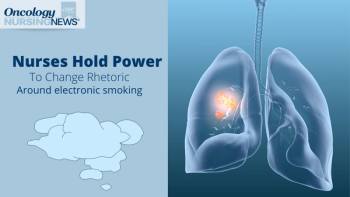
Although the long-term effects of e-smoking are still unknown, the percentage of young people developing nicotine dependency is increasing, a Cancer Treatment Centers of America expert explains.

A secondary analysis of the COACH study revealed that a geriatric assessment–guided intervention increased the number of comorbidity-related discussions between patients and providers.

Oncology Home-Hospitalization may represent a feasible alternative to standard ambulatory care and allow patients to spend significantly less time in the outpatient clinic.

An expert from Seattle Cancer Care Alliance highlights key skills in nurse navigation.

As the HPV vaccine becomes more prevalent, cervical cancer rates are expected to decrease significantly by 2030. However, this trend may differ across socioeconomic communities.

A patient-reported outcome survey highlighted quality-of-life gaps in breast cancer survivorship.

An expert from The University of Texas MD Anderson Cancer Center offers advice on the best diet to enrich a patient’s microbiome and consequent immunotherapy response.
In this episode of “The Vitals,” 2 veteran oncology nurses discuss the value of mentorship—particularly for novice nurses.

Besides education and emotional support, the newly launched program offers personalized services including surgical interventions, hormone replacement therapy, and penile low-intensity shockwave therapy, to help patients heal from their cancer treatments.
An expert from The University of Texas MD Anderson Cancer Center highlights findings demonstrating the impact that diet and probiotics have in immunotherapy responses.

New data support increased fiber consumption and decreased probiotic use among patients receiving immunotherapy.

Patient advocate Jill Feldman led the development of the language guide to help promote patient-centered, stigma-free language across the lung cancer community.

The 3 subscales of burnout—emotional exhaustion, depersonalization, and a low sense of personal accomplishment—may all contribute to an increase in suicidal ideation among American nurses.
The chair of the Institute of Pain and Palliative Care explains how the holistic approach of palliative care makes it a unique treatment modality.
In this episode of “The Vitals,” Nikki Urban, RN, discusses the successful implementation of a phone triage program at Allegheny Health Network.
David Hui, MD, MSc, from The University of Texas MD Anderson Cancer Center, discusses findings indicating that patients with agitated delirium may be under-sedated, in accordance with their personalized sedation goal.

Patients with various solid tumor types experienced improved antitumor immunity after adhering to a diet with severe caloric restrictions.

A study conducted by Embracing Carers found that unpaid caregivers experienced negative key changes during the COVID-19 pandemic.

Longer travel times and fewer available resources can make rural cancer care particularly challenging, but oncology nurses may play a crucial role in promoting screenings in these areas.

Bruce Carleton, PharmD, FCP, FISPE, discusses the implications of research findings indicating that very young children are at a higher risk of cisplatin-induced hearing loss.

As minimally invasive surgery for lung cancer increases in popularity, more patients are recovering at home, expanding the need for personalized caregiver education.
The chair of the Institute of Pain and Palliative Care explains how patients with cancer may improve their treatment outcomes with palliative care.

Christopher Zorn, clinic operations administrator of Winship Cancer Institute at Emory University, discusses how Winship Cancer Institute fosters a safe, yet festive, holiday environment during the COVID-19 pandemic.

Andrew Kass, MSN, RN, AGNP-C, AOCNP, discusses the impact fatigue can have on patients with cancer and how oncology nurses and APPs can help their patients address this common adverse event.
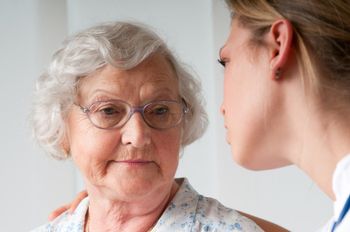
Mental health was recognized as a priority by most oncologists. However, few felt they had the proper resources to provide adequate support. In addition, palliative care was found to be prescribed or referred too late.
On this episode of “The Vitals,” an expert in genetics discusses ongoing research to address cisplatin-induced hearing loss in pediatric patients with cancer.
The chair of the Institute of Pain and Palliative Care explains the primary difference between hospice and palliative care.