Beth Faiman details the new IMS/IMWG consensus definition of cure for multiple myeloma, requiring 5 years of treatment-free remission.
At the 29th APAO Symposium, Jennifer Fisher, PA-C, discussed combining surgery, radiation, and novel systemic drugs to treat brain metastases.
Combining multiple therapeutic strategies, including advanced radiation techniques, surgical resection, and novel systemic therapies, represents the most effective approach for managing brain metastases and leptomeningeal disease. At the 29th Annual Oncology Symposium for the Healthcare Provider, presented by the Association of PAs in Oncology (APAO) from August 13 to 16, 2026, at the New York Marriott Marquis, clinical experts highlighted how recent therapeutic advancements are transforming patient outcomes.
The four-day conference brought together over 200 healthcare professionals to discuss turning clinical vision into reality, exploring best practices, and discovering innovative ways to incorporate new clinical ideas into daily patient care.
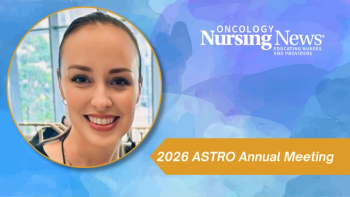
Among the featured concurrent sessions on the conference agenda was a scientific presentation titled "Brain Mets 101," delivered by Jennifer Fisher, PA-C, of NYU Langone Health. In an Oncology Nursing News interview conducted at the symposium, Fisher discussed the evolving treatment landscape for central nervous system (CNS) malignancies and challenged historical assumptions regarding patient prognosis and overall survival.
Fisher emphasized that a single therapeutic modality is rarely sufficient when addressing complex secondary brain tumors. "Utilizing multiple different treatment strategies is probably the best way to approach brain mets and leptomeningeal disease," Fisher stated. Rather than relying solely on localized options, clinical teams must coordinate care to combine diverse interventions. "It's not just using radiation or not just using surgery," she explained. "It's also incorporating those things with good systemic therapies."
According to Fisher, the rapid pace of oncology research has led to a steady stream of new systemic agents that are highly effective in treating the underlying primary cancers. "We have so much research going into things like breast cancer, lung cancer," Fisher observed, noting that these malignancies frequently metastasize to the brain.
A major clinical breakthrough in systemic oncology has been the development of novel drugs engineered to overcome the blood-brain barrier. Fisher highlighted that "new drugs are coming out all the time that have better penetration into the CNS." These high-penetration agents are highly effective at targeting intracranial disease, which is ultimately "keeping patients alive longer" in daily clinical practice.
The integration of these advanced therapeutic strategies is shifting clinical paradigms. Fisher noted that historically, a diagnosis of brain metastases or leptomeningeal disease was viewed as a terminal event with an extremely short life expectancy. "People think once you get mets to the brain or once you get leptomeningeal disease like you're going to pass away within a couple weeks or a couple months," Fisher remarked.
However, modern oncology is successfully dismantling these fatalistic timelines. "With newer forms of radiation that are coming out and newer systemic therapies, patients can live longer than previously documented." Through multidisciplinary collaboration and multimodal care, advanced practice providers are helping patients achieve prolonged survivorship and improved overall quality of life.